









From Plane Seat to Daypack: Keeping Posture Upright on the Road

From Plane Seat to Daypack: Keeping Posture Upright on the Road
Traveling loosens more than our schedules. Hours spent crouched over screens, slumped in economy seats, or gripping a backpack strap can tug our bodies away from neutral alignment. Yet the road is where posture matters most: it dictates energy, prevents fatigue, and even shapes mood. If you've ever arrived at a destination with a stiff neck, tight hips, or a reminder of low back pain, this guide is for you. It offers practical, field-tested strategies to keep your spine tall-from the moment you buckle into a plane seat to the moment you sling a daypack over your shoulder and step onto a new street corner.
Why Posture Matters When Traveling
Posture is not vanity; it's your body's alignment system. Good posture supports breathing, reduces muscle strain, and helps you move with efficiency. When you travel, you're often in positions your body isn't optimized for for long durations: cramped seats, narrow aisles, heavy bags, and irregular sleep. Over days or weeks, poor posture compounds, contributing to headaches, neck pain, shoulder impingement, and lower back discomfort. Conversely, upright posture-an aligned spine, relaxed jaw, open chest, and balanced hips-lets your muscles work less, your joints glide more easily, and your energy stay steadier.
Think of posture as a habit you can practice anywhere, not a one-time adjustment you make in a mirror. The goal is to create a lattice of micro-adjustments you can rely on in the moment: a tiny pelvic tilt here, a shoulder blade retraction there, a deliberate breath to reset. On the road, this means building a toolkit of cues, stretches, and portable gear that support alignment whether you're in a compact plane seat or walking into a bustling train station.
Assessing Your Baseline Posture
Before you travel, do a quick check of your posture when you're standing and sitting. This helps you notice what you're already doing well and where you tend to slide into slumping:
- Stand with feet hip-width apart, weight distributed evenly. Your ears, shoulders, hips, knees, and ankles should line up in a vertical stack.
- Let your shoulders rest away from your ears. If you feel your neck muscles working hard just to hold your head up, you may be slouching.
- When you sit, your lower back should have a gentle inward curve (lordosis). If your seat is hard or your chair backs are too tall, you might compensate by leaning forward or hunching.
- Check your chest mechanics: you want your sternum to lift slightly with each inhale, not keel forward or collapse inward.
Understanding your baseline helps you notice deviations-forward head posture, rounded shoulders, or excessive lumbar flattening-so you can intervene quickly during travel. A few cues to cultivate on the go:
- Imagine a string at the crown of your head pulling upward.
- Gently draw your shoulder blades toward your spine and loosen your chest.
- Keep your jaw relaxed; avoid clenching teeth or jutting the chin forward.
- Connect breath with posture: inhale to expand the chest, exhale to settle the spine.
With these checks and cues, you'll create a reference point you can return to when the road narrows your stance.
Posture on the Plane: Ergonomics at 30,000 Feet
Airplane cabins present a unique set of posture challenges: limited seat width, fixed seat pitch, tiny tray tables, and sometimes non-adjustable lumbar support. The key is to adapt your environment rather than fight it. Here are practical moves you can apply on almost any flight:
Seat setup and alignment
1) Sit back into the chair's lumbar region if possible. If not, wedge a small folded garment or a travel lumbar support behind your lower back to maintain the natural inward curve.
2) Sit with the feet flat, knee level with or slightly lower than the hips to reduce pressure on the lower back. Use a footrest if available; otherwise place a compact bag or shoe box under your feet to lift the knees a touch.
3) Avoid tucking your chin or craning your neck to stare at a screen. If the seat screen is at eye level, align your screen so you don't tilt your head forward. You can also prop the paper card or device with a small case to achieve a neutral gaze.
4) Keep shoulders relaxed and away from the ears; imagine broadening your collarbones rather than pulling the shoulders forward.
Tray-table time
Using a tray table often lures the pelvis forward or the upper back into flexion. Counteract this with a few quick micro-movements every 15-20 minutes:
• Stand and gently twist the torso a few inches to each side, then return to center.
• Do a small shoulder blade squeeze for 5-10 seconds while keeping the ribcage calm.
• Take 3-5 full breaths, allowing the ribcage to expand more fully with each inhale.
Posture-friendly protective gear
Lightweight options that can make a big difference include a compact travel pillow that supports the neck without forcing the head into awkward positions, and a thin lumbar cushion that can be slid into the seat's back. Look for cushions with adjustable firmness and a shape that fits the seat curve without crowding your shoulders. If you're a head-forward reader, consider a lightweight stand or a clip-on device that raises the screen to eye level without straining your neck.
Movement patterns
Prolonged sitting damages the hip flexors and the glutes, which feeds into a chain of postural imbalances. Counter this with small, intentional movement every 30-60 minutes:
• Stand in the aisle and perform a brief calf raise or ankle circles.
• Step out into the galley (if safe) for a momentary walk, then settle back in.
• Do a quick hip hinge to flatten your low back against the seat for a few seconds, then release.
These tiny resets can prevent the nagging "plane back" the next day. Remember: you don't need to overhaul your flight routine; you just need to insert micro-cues that remind your body to stay tall.
Posture in Transit: Car, Train, and Bus
Riding in a car, standing on a train platform, or perched on a bus introduces a different set of posture demands. Here, the goal is to keep your spine in alignment while accommodating movement, vibrations, and variable seating.
In the car
Long drives test hamstrings, hips, and the upper back. Tips to keep upright while driving or as a passenger:
• Adjust the seat to create a slight knee bend and a vertical trunk position without leaning forward.
• Use a lumbar roll or rolled towel behind your lower back to preserve the natural curve.
• Position the steering wheel and pedals to maintain a neutral head posture-chin level and neck relaxed. If you're a passenger, avoid slumping toward the door or leaning into the center console.
• Take a couple of minutes every 60-90 minutes to stand, stretch the hip flexors, and reset posture.
On trains and buses
Seats vary widely. A good rule is to keep your spine against the chair back, with your feet supported and knees aligned with your hips. Use a small cushion or rolled towel for lumbar support if the seat lacks one. If the seat orientation forces you to twist or lean, switch to a more neutral angle and adjust your body to face forward whenever possible. When standing during a layover or transfer, maintain a tall posture with your shoulders down, hips tucked under, and chest open. Spontaneous micro-movements-gentle leg lifts, ankle rotations, and shoulder shrugs-help counteract prolonged static positions.
From Seat to Daypack: Maintaining Uprightness on the Move
Transitioning from a fixed seating position to moving through streets and crowds is where posture can either slip or shine. Your daypack is both an ally and a potential hindrance. A well-balanced, ergonomic pack distributes weight evenly, preserving your spine's alignment. An overstuffed or poorly worn pack, however, can yank you forward or pull you off balance. Here's how to stay upright while you wander:
Choose and wear your daypack wisely
• Opt for a pack with a sternum strap and a padded hip belt. The hip belt should carry most of the weight, not the shoulders.
• Aim for a pack that sits close to your center of gravity, with weight distributed near your hips rather than your shoulders.
• If your pack has a frame or stabilization structure, use it to keep the load compact and balanced.
• Keep the load light. If you're on a long trip, pack only what you'll actually use, and consider rotating items between days.
Wearing the pack for upright movement
When you strap the daypack on, think about alignment: the strap lines should sit across your upper back, not your neck. The sternum strap helps prevent the pack from pulling you forward. Step by step, you want the following cues:
• Stand tall, zip up the pack, and tighten the hip belt first so the weight rests on the hips.
• Tighten the sternum strap just enough to prevent the straps from sliding, but not so tight that it restricts breathing.
• Keep your head over your pelvis; avoid allowing the backpack to pull you forward. If you carry a heavy load, you may need to adjust your gait to maintain balance-shorter steps and a controlled stride help.
• Periodically loosen and re-tighten the hip belt or sternum strap to accommodate shifting weight as you move between streets, stairs, and uneven ground.
Transitions and micro-movements
Walking with a backpack can train you to move in a more integrated way. Use these habits to sustain upright posture:
• Shorten your steps slightly and land with your foot under your center of gravity to reduce the torque on your spine.
• Maintain a relaxed jaw and level gaze-your head should feel balanced on your spine, not poking forward.
• When you stop, take a moment to do a quick body scan: roll your shoulders back, retract your scapulae, and lift your chest a fraction.
• Use stairs as a posture drill-step-to-step with control, keeping the spine tall and the core engaged.
Practical Practices and Routines on the Road
A few disciplined routines can transform how you travel. The goal is to weave posture work into your day without feeling "exercise-y."
Morning wake-up routine
Even a quick 5-10 minute routine can set the tone for the day:
• Gentle neck tilts and rotations to release stiffness from air travel.
• Shoulder blades squeezes (pinch them together and hold for 5-8 seconds, then release).
• Chest openers against a doorframe or wall: place your forearm on the frame, gently rotate the torso away to open the chest.
• Hip flexor stretches: kneel on one knee, gently push the hips forward while keeping the torso upright.
Midday posture reset
Long days demand a quick reset. Try this sequence at noon or after a long transit leg:
• 6-8 spine-friendly breaths while seated with a tall spine.
• 10 slow, controlled shoulder blade squeezes.
• 1-2 minutes of walking with a tall posture, legs engaged, core braced.
Evening unwind on the road
As you wind down in a new city or hotel, finish with gentle stretches that acknowledge the day's travel:
• Supine spinal twist for a minute on each side to release lower back tension.
• Hamstring stretches with a strap or belt to prevent excessive hip flexor compensation.
• A quick body-scan to reflect on what positions felt best and which cues made the biggest difference.
Portable Tools and Accessories
These small items can dramatically improve your ability to maintain an upright posture while traveling. Choose lightweight, compact options that fit easily in your carry-on or daypack.
Lumbar support and cushions
Look for inflatable or foam cushions that are small enough to fit behind a chair but sturdy enough to hold the natural lumbar curve. A cushion with multiple firmness levels offers flexibility for different seats.
Backpacks with ergonomic design
Prefer packs with adjustable torso length, sternum straps, and dual-density straps. A pack that distributes weight toward the hips reduces the burden on the back and shoulders.
Travel pillow with positional support
A pillow that supports the neck without forcing the head forward can save you from a stiff upper spine after a red-eye flight. Look for a design that contends with side sleeping safely if you're a restless sleeper.
Footwear and ground contact
A comfortable pair of shoes with good arch support improves overall stance and reduces fatigue in the legs and back. Avoid shoes that force you to limp or arch your back to compensate for poor foot support.
Apps and reminders
Simple reminders-either on your phone or a smartwatch-can prompt posture checks at regular intervals. Even a 15-minute cadence to reset posture is enough to prevent creeping slumps.
Breathing, Focus, and Mood for Posture
Posture and breath are intimately connected. When you breathe deeply and evenly, you encourage a relaxed jaw and a supple ribcage, both of which support an upright spine. Conversely, shallow breathing often accompanies or reinforces a collapsed posture. Here are tactics to use on the road:
• Practice diaphragmatic breathing: place a hand on your abdomen, inhale through the nose to expand the abdomen, and exhale slowly through pursed lips.
• Use a 4-6-8 rhythm (inhale for 4, hold for 6, exhale for 8) to calm the nervous system and reduce muscular tension.
• Pair breath with movement: inhale as you lengthen tall, exhale as you reset to a neutral posture.
• Mindfulness cues: visualize a string at the crown of your head, gently lengthening your spine with each breath.
These practices aren't optional add-ons; they're integral to your ability to hold upright in the real world. The more you weave breath and posture together, the more natural it becomes to stay tall under pressure.
What to Pack in Your Daypack
A well-edited daypack is your portable posture studio. Here are items that fit in most carry-ons and have the biggest impact on upright travel:
• A compact lumbar roll or small foam cushion.
• A lightweight, compact massage ball or resistance bands for self-myofascial release and mobility.
• A foldable, reusable water bottle to stay hydrated-hydration supports tissue suppleness and reduces the tendency to slump.
• A small towel or microfiber cloth that can be used as a makeshift back pad or to wipe down surfaces.
• A lightweight notebook or planner to break up screen time with mindful posture checks.
• A compact stretch strap or band for quick hamstring and hip-flexor lengthening.
Remember: the best gear is gear you actually use. Test items at home for comfort and fit before you rely on them in a busy airport or on a long train ride.
Morning and Evening Routines for Travelers
Consistency is your best ally on the road. A stable morning and evening routine can anchor your posture across different climates, beds, and schedules. Here are simple daily templates you can adapt:
Morning
• Hydrate and breathe: a glass of water, 5 minutes of diaphragmatic breathing.
• 5-10 minutes of mobility: neck circles, shoulder blade squeezes, hip openers, ankle ROM.
• 2-3 gentle stretches: chest opener against a wall, hip flexor stretch, and hamstring stretch.
Evening
• Light self-massage or foam rolling on the upper back, the glutes, and the calves.
• A short stretch sequence focusing on the lower back and hips.
• A 2-3 minute body scan, noting where you carried tension and how posture felt after moving.
Case Studies and Real-Life Scenarios
Travelers come from all backgrounds, with different body awareness levels and flight durations. Here are a few composite scenarios that illustrate how posture strategies translate into real life:
Case A: The Weekend Backpacker
A 28-year-old traveler spends a long weekend hopping between cities with a light pack. He notices neck stiffness after the first day and a tired lower back after hiking. He begins with a simple morning routine: 5 minutes of mobility, 3 neck retractions, and two chest openers. On the plane, he uses a small lumbar cushion, keeps feet flat on the floor, and takes two micro-movements every 20 minutes. By the third day, his symptoms have diminished, and he reports higher energy levels and more comfortable transitions between modes of transport.
Case B: The Business Traveler
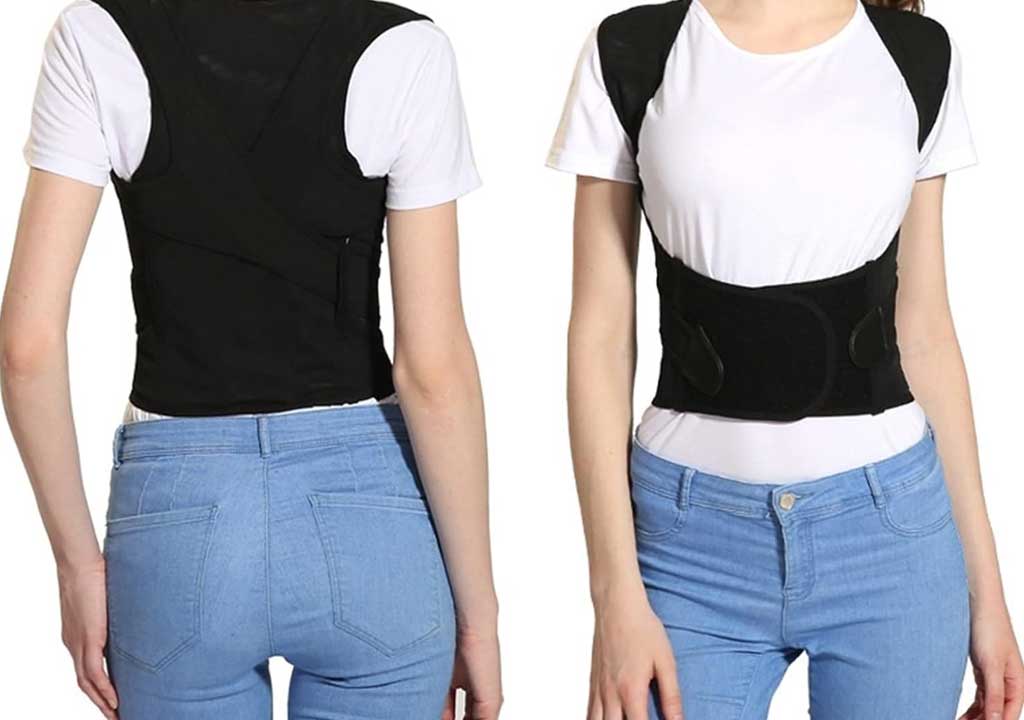
A frequent traveler sits for long meetings and long flights. She recruits a compact posture kit: a lightweight back support, an adjustable strap for the daypack, and an inexpensive stretch strap. She schedules a 5-minute reset after each flight leg-breathing, shoulder blade squeezes, and a hip hinge. Her posture improves consistently; she notes fewer headaches and a noticeable drop in upper-back tension. The habit of resetting posture after transitions becomes part of her routine rather than an afterthought.
Case C: The Adventurer with a Heavy Load
Carrying a heavier daypack requires more deliberate alignment. The traveler centers the pack's weight near the hips, tightens the hip belt first, and uses a sternum strap to prevent the load from pulling forward. On uneven terrain, she maintains a tall posture with a relaxed jaw and engaged core, choosing a controlled gait rather than a long stride. When fatigue hits, she reduces load, distributes weight across the pack, and relies on micro-adjustments rather than forcing a stiff posture. The result is a smoother journey with less back strain and more enjoyment of the route itself.
Common Pitfalls and How to Avoid Them
Travel can tempt you into poor posture. Here are frequent traps and straightforward fixes:
- Trap: Slouching to fit into a narrow seat. Fix: Use cushions, move your sit bones back, and place a palm-sized lumbar support behind your curve.
- Trap: Over-tightening the neck by looking down at a device. Fix: Raise devices to eye level or use a stand; set screen brightness to reduce the need to lean forward.
- Trap: Carrying heavy bags on one shoulder. Fix: Use a hip belt and distribute the weight evenly; switch sides regularly.
- Trap: Ignoring micro-movements for hours. Fix: Schedule short posture resets every 20-30 minutes, even if just for 30 seconds.
- Trap: Rushing through stretches without proper form. Fix: Move slowly, breathe, and never force a stretch beyond a comfortable range.
Putting It All Together: A Travel Posture Blueprint
1) Before you go: Evaluate baseline posture and choose a lightweight posture kit tailored to your trip length and activities.
2) During travel: Prioritize seat alignment, use supportive gear, and insert micro-movements every 15-20 minutes.
3) In transit: Maintain a balanced load, engage the core, and walk with a tall, controlled gait.
4) On arrival: Do a quick body scan, address any soreness with gentle movement, and anchor a short daily routine.
5) Long-term: Integrate posture habits into your daily life-strength, mobility, and mindful breathing become ongoing practices rather than travel chores.
A Final Note: Listening to Your Body on the Road
Posture is not a rigid prescription; it's a flexible practice. Every body is different, and road conditions vary-from chair height to air pressure to road vibrations. The best approach is to stay curious about how your body feels in different contexts and adjust accordingly. If you notice persistent pain, tightness that doesn't ease with a few minutes of resets, or numbness in the limbs, consider consulting a healthcare provider who can tailor an approach to your anatomy and travel patterns. Remember: upright posture is not about rigidity; it's about sustainability. Your spine deserves to travel as far as your curiosity does.
Closing Thoughts
From plane seats to daypacks, upright posture is a portable skill you can carry with you anywhere. It doesn't require heroic effort; it requires small, consistent actions-cues, gear, and mindful movement-to keep your body aligned and your energy steady. The road is a long hallway of adventures, and the better you carry yourself through it, the more you'll enjoy each step. Start today with one small adjustment-perhaps a lumbar support you can actually feel, or a 60-second reset you commit to after every flight leg-and let the habit grow. In time, you'll notice that staying upright isn't a chore but a companion you bring on every journey. Safe travels, and may your posture carry you farther than your itinerary alone.
LIKED THIS ARTICLE? SHARE IT: