









From Slump to Strength: Practical Movement Tips with Posture Correctors

From Slump to Strength: Practical Movement Tips with Posture Correctors
We've all had days when the shoulders creep forward, the neck tilts down to stare at a screen, and the lower back sighs in protest after hours of slouching. The good news is that small, practical changes can reverse that slump and build lasting strength. Posture correctors-when used thoughtfully-can be a helpful tool to increase body awareness and retrain movement patterns. They're not magic, but they can offer kinesthetic cues that remind you to sit tall, stand tall, and move with a more balanced spine. In this blog post, you'll find concrete tips for choosing and using posture correctors, plus a practical movement plan you can start today. By blending mindful habits with simple exercises, you can move from slump to strength without turning your life upside down.
Understanding the pull of slumping: why posture deteriorates and how to stop the slide
Posture is the result of multiple systems working together: neuromuscular training, breathing patterns, core stability, and even how you breathe. When you sit for long stretches, stress, fatigue, or repetitive movements can favor a rounded, forward-leaning position. Gravity is always pulling us forward, and unless we counteract it with intentional movement and core engagement, the body will default to a more slumped position. This isn't just cosmetic-the way you hold yourself affects breathing, energy levels, neck and back strain, and even how you perform daily tasks or workouts.
Posture correctors act as physical reminders. A well-fitted brace or wearable can cue you to reset your alignment, reduce the frequency of slumped days, and help you build new motor patterns. The key is to combine corrective cues with movement practice that strengthens the muscles that support upright posture-back extensors, shoulder retractors, the deep core, and the hips. Think of a posture corrector as a teacher's hand: it guides you, but you still have to do the work of practicing the right moves.
Choosing the right posture corrector: types, fit, and realistic expectations
There isn't a one-size-fits-all posture corrector. The right device depends on your goals, your anatomy, and how you respond to wearing assistive gear. Here are common categories:
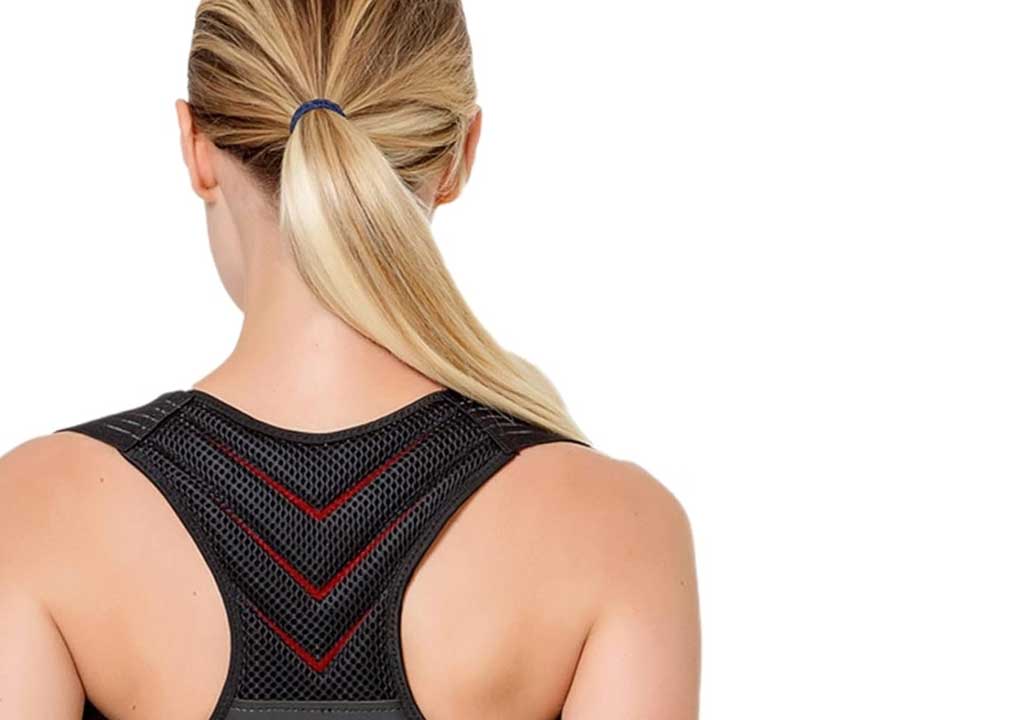
- Back braces or posture supports: These wrap around the upper back and shoulders, encouraging a broader chest and retracted shoulders. They're often used for short periods during work or tasks that trigger slumping.
- Posture shirts or vests: Garments with built-in elastic panels that gently pull the shoulders back. They're comfortable for daily wear and can be worn under clothing.
- Posture straps (sometimes called posture braces): Lightweight bands that pull the shoulders into a more aligned position without restricting movement too much.
- Electronic or smart posture devices: Wearables that vibrate or give a gentle alert when you slump. They're useful for building awareness and habit formation.
Tips for choosing:
- Start with comfort: look for breathable material, adjustable straps, and a design that doesn't restrict your shoulder blade movement or breathing.
- Consider wear time: begin with short sessions (10-20 minutes) and gradually increase as you acclimate. Don't wear a rigid brace all day if you're not used to it.
- Fit matters: a device that is too tight can irritate the neck or ribs, while a device that's too loose won't cue proper alignment.
- Pair with movement: choose options that allow you to perform mobility and strengthening work while wearing them, rather than relying on the device alone.
Important: if you have a history of back pain, cervical issues, or a medical condition affecting your spine, consult a clinician before using a posture corrector extensively. A posture corrector should complement, not replace, professional guidance for any pain or injury.
What to expect: realistic outcomes and how to measure progress
Posture correctors are tools for awareness and habit change. You might notice improved alignment within minutes of wearing a device, but meaningful, lasting change comes from consistent practice over weeks. Realistic expectations include:
- Increased awareness of slumped positions during daily tasks.
- Temporary improvements in shoulder positioning and neck comfort during sedentary tasks.
- Gradual strengthening of the mid-to-upper back muscles and improved breathing mechanics as you integrate movement patterns.
- Better endurance during tasks that require upright posture, such as desk work or stand-up meetings.
Measure progress with simple checks:
- Take a baseline photo or video from the side to observe your forward head posture and rounded shoulders, then re-check every 1-2 weeks.
- Track how long you can maintain an upright position without discomfort during a short desk task.
- Note your ease of taking deeper breaths when seated or standing tall.
- Record how often you notice yourself slipping into a slump and how quickly you correct it when wearing the device.
Remember, the goal isn't stiffness but balanced mobility with support. If you feel numbness, tingling, or sharp pain, discontinue use and seek professional guidance.
Daily movement principles for better posture: simplicity that sticks
Beyond wearing a device, the backbone of lasting posture improvement is how you move throughout the day. Here are practical, low-friction principles you can adopt:
- Neutral spine awareness: Learn what a tall, neutral spine feels like. Practice a quick reset at set intervals-every 20-30 minutes-by pulling the crown of your head upward, broadening the collarbones, and gently lifting the breastbone. This cue helps maintain chest openness.
- Breath-first alignment: Prioritize diaphragmatic breathing with a tall posture. Inhale through the nose, allowing the belly to rise, then exhale slowly. When you breathe deep, you're more likely to keep your spine aligned.
- Break the slump cycle with movement microbursts: Every 60-90 minutes, perform a 2-3 minute movement burst: hinge at the hips for a gentle stand-to-sit cycle, shoulder rolls, thoracic spine rotations, and a couple of hip flexor stretches. Small, frequent actions beat long, sedentary stretches.
- Active desk setup: Elevate your monitor to eye level to avoid neck flexion; keep your keyboard at elbow height; use a chair with lumbar support or a small cushion to preserve the natural lumbar curve.
- Strength with intent: Build a core-and-back-friendly routine 2-3 times per week, focusing on glute activation, hip stability, and upper-back strength. You don't need a lot of weight-controlled bodyweight movements matter more than volume.
These principles are about daily habit formation. A posture corrector can reinforce them, but the real work is what happens between uses of the device.
Practical movement routines you can do with a posture corrector
Below is a practical, time-efficient routine you can perform 3-4 times per week. It blends mobility, activation, and stability work, paired with mindful posture cues. If you're wearing a posture corrector, wear it during the routine only if it feels comfortable; otherwise, you can do these moves without the device and reintroduce it for habit-building later.
1) Gentle spine mobility (5-7 minutes)
Goal: restore thoracic spine mobility and counteract stiffness from prolonged sitting.
- Quadruped thoracic rotations: On hands and knees, place one hand behind your head. Lift the elbow toward the ceiling as you rotate the upper thoracic spine, then return to center. Do 6-8 reps per side.
- Cat-cow with a pause: On hands and knees, inhale to arch the back (cow), exhale to round (cat). At the end of each transition, hold for 2 seconds and then move to the next position for 8-10 reps.
- Thread-the-needle: From all fours, slide your arm under the opposite armpit, allowing your shoulder and neck to release. Hold for 20-30 seconds per side, breathing deeply.
2) Shoulder and chest opening (4-6 minutes)
Goal: reduce anterior shoulder tightness and improve scapular retraction.
- Doorway chest stretch: Stand in a doorway, forearm on the frame, elbow at about 90 degrees. Gently lean forward to feel a stretch across the chest. Hold 20-30 seconds per side. Repeat 2-3 times.
- Wall angels: Stand with your back against a wall, feet shoulder-width apart. Keep your lower back in contact with the wall, and move your arms in a "W" to "Y" pattern, maintaining contact. Do 8-12 reps.
- Scapular squeezes: Sit or stand tall and pinch your shoulder blades together, holding for 3-5 seconds. Release. Do 12-15 reps.
3) Core activation and lower-back support (5-7 minutes)
Goal: create a stable foundation for upright posture while avoiding excessive lumbar extension.
- Transverse abdominis engagement: Lie on your back with knees bent and feet flat. Place a hand under your lower back, and gently press the back toward the floor as you inhale and exhale. Perform 10-12 slow breaths, focusing on the sensation of the abdominal wall drawing inward toward your spine.
- Pelvic tilts: On the back with knees bent, tilt the pelvis to flatten the lower back to the floor; then release to a neutral position. Do 12-15 reps.
- Dead bug progression: From supine, extend opposing arm and leg while keeping the core engaged. Alternate sides for 8-10 reps per side, keeping the lower back pressed to the floor.
4) Hip flexor release and glute activation (6-8 minutes)
Goal: reduce anterior pelvic tilt and improve hip hinge mechanics.
- Hip flexor stretch in kneeling position: One knee down, the other foot in front. Gently press the hips forward to feel a stretch along the front of the back leg. Hold 20-30 seconds per side. Repeat 2-3 times.
- Glute bridges: Lie on your back with knees bent and feet flat. Lift hips by pressing through the heels, squeezing the glutes at the top for 2 seconds. Lower slowly. Do 12-15 reps.
- Bird-dog: From hands and knees, extend opposite arm and leg, keeping the core engaged and hips level. Do 8-12 reps per side.
Integrating posture correctors into daily life: practical usage guidelines
A posture corrector should support you in application, not encourage constant reliance. Here are practical guidelines for integrating a device into your day:
- Start with short wear sessions: Begin with 15-20 minutes, particularly during desk work or reading. Gradually increase if tolerance remains good.
- Wear during specific tasks: Choose tasks that trigger slumping-long writing sessions, driving, or computer work-to maximize benefit during the activity that most often breaks your posture.
- Use as a cue, not a constraint: The device should remind you to reset your posture. After a few weeks, aim to rely less on the device and more on internal cues and movement practice.
- Adjust fit as you progress: Your torso may adapt, so you may need to re-tighten or loosen the device over time to maintain effective cues without discomfort.
- Pair with mindful breaks: Set a timer to remind you to stand up, take a deep breath, and reset your posture at regular intervals.
If you experience redness, numbness, or tingling, remove the device and seek guidance. A poorly fitted device can cause skin irritation or nerve compression if used excessively or incorrectly.
Common mistakes and how to avoid them
Even with the best intentions, people make mistakes when starting a posture correction plan. Here are the most common pitfalls and how to fix them:
- Mistake: Wearing a brace for hours on end. Fix: Start with short sessions and gradually add time as you become more comfortable. Respect your body's signals.
- Mistake: Over-reliance on the device. Fix: Combine wearing with a purposeful movement program that strengthens the muscles supporting upright posture.
- Mistake: Ignoring pain. Fix: If you experience unusual discomfort, consult a clinician before continuing use. Pain is a signal that something isn't right.
- Mistake: Poor breathing with the device on. Fix: Focus on diaphragmatic breathing and avoid holding your breath. The device should not restrict normal breathing.
A simple 4-week plan to rebuild posture with movement and a posture corrector
Week 1: Awareness and acclimation
- Wear the posture corrector for 15-20 minutes on 3 days this week during desk work or light activity.
- Perform the spine mobility routine (Section 3) for 5-7 minutes after each wear session.
- Practice the neutral spine reset cue every 30 minutes during waking hours.
Week 2: Gentle strengthening and habit formation
- Wear the device for 20-30 minutes on most workdays. Increase gradually if comfortable.
- Incorporate the Core Activation series (Section 3) 2-3 times this week.
- Introduce the Hip Flexor Release and Glute Activation sequence (Section 3) 2-3 times this week.
Week 3: Expand movement and reduce reliance
- Wear the device for 30-40 minutes on workdays or during long drives or meetings.
- Integrate the full movement routine (Sections 2-3) 3-4 times this week.
- Begin a 10-minute end-of-day mobility sequence to unwind tension and promote tall posture before sleep.
Week 4: Independence and maintenance
- Rely on the device primarily as a reminder during the most slumping tasks, not for constant support.
- Maintain the full movement routine 3-4 times per week; continue daily awareness cues.
- Set a weekly review: take a side photo, measure neck-to-waist alignment, and note any improvements in breathing and endurance during the day.
After week 4, you can tailor the plan to your schedule. Some people prefer longer, lower-intensity wear during certain tasks, while others shift toward shorter, more frequent movement breaks. The goal is consistency and sustainable improvements, not perfection in every moment.
Safety considerations and when to seek professional guidance
Posture correction is a safe, common practice for many but not a substitute for medical evaluation when red flags appear. Seek professional advice if you experience:
- Persistent neck or back pain that lasts more than a few weeks.
- Radiating pain, numbness, or weakness into the arms or legs.
- Recent trauma or injury that affects posture or movement.
- Conditions such as scoliosis, kyphosis, or osteoporosis, where spine health requires individualized guidance.
Working with a physical therapist, chiropractor, or certified trainer can help tailor your posture program to your specific needs. They can assess your spinal mechanics, provide corrective exercises, and advise on whether a posture corrector is appropriate for your situation. In many cases, posture correction combined with targeted strengthening yields the best outcomes that last beyond the device's use.
Real-world tips for sustainability: making posture a lifestyle, not a chore
Implementing posture improvements is easier when you frame it as a lifestyle change rather than a short-term task. Here are practical strategies you can adopt:
- Create a cue habit: Pair posture checks with a daily routine like brushing teeth or brewing coffee. A consistent cue makes the habit stick.
- Make your environment posture-friendly: Ergonomics matter. Raise your monitor, use a chair with proper lumbar support, and keep your feet supported and hips open.
- Micro-goals, not macro goals: Focus on 1-2 changes at a time (e.g., "I'll maintain chest openness while typing for two weeks").
- Combine with mobility sessions: Short, frequent mobility sessions are more effective than rare, long sessions for posture retraining.
- Track your mood and energy: Good posture often correlates with better breathing, more energy, and improved focus. Use this feedback to reinforce the habit.
Putting it all together: a holistic approach to moving from slump to strength
Posture is not simply about holding still in a rigid position. It is about balancing the spine's natural curves with the muscles that support them, coordinating breath with movement, and cultivating ongoing awareness. A posture corrector can be a valuable ally on this journey by providing a tangible reminder and a gentle cue to reset. But the real transformation comes from integrating deliberate movement, breathing, and everyday habits into your life.
When you're ready to begin, start small. Pick one posture corrector option that fits your comfort and lifestyle, set a 2-week trial period, and pair it with the movement routine above. Listen to your body: if something feels off, adjust, pause, or seek guidance. With patience and consistency, you'll move from a slump to strength-one mindful breath, one better posture cue, one deliberate movement at a time.
Conclusion: your blueprint for lasting posture improvement
Healthy posture is a lifelong practice, not a one-time adjustment. Posture correctors offer a practical, approachable way to build awareness and support as you re-train your body to sit, stand, and move with more ease. Combine the device with deliberate mobility, strength-building exercises, and daily habits that encourage an upright spine. Over weeks and months, you'll likely notice not only a more confident silhouette but also smoother breathing, less fatigue, and greater comfort during daily activities and workouts.
So start today: choose a comfortable posture corrector, set a simple daily cue, and commit to a short movement routine. Your future self will thank you for the extra longevity, energy, and resilience you build through deliberate, intelligent movement. From slump to strength is not a leap-it's a step-by-step, practical journey you can begin now.
LIKED THIS ARTICLE? SHARE IT: