









How to Choose a Posture Corrector: A Practical Starter Guide

How to Choose a Posture Corrector: A Practical Starter Guide
If you've spent long hours at a desk, hunched over a laptop, or carried tension in your shoulders after a workout, you've probably wondered whether a posture corrector could help. The market sells everything from lightweight straps to high-tech wearable devices, each promising better alignment and less pain. The sheer variety can be overwhelming, especially if you're buying your first one. This guide is designed to cut through the noise with a practical, starter-friendly approach. We'll cover what posture correctors do, how they work, who they're for, and, most importantly, a step-by-step checklist to help you choose the right one for your goals, whether you sit for 8 hours a day, lift weights, or simply want more comfort in daily life.
Before we dive in, a quick note: posture correctors can support your alignment, but they aren't magic. They should complement, not replace, a broader plan that includes ergonomic setup, regular movement, strengthening exercises, and, if needed, medical advice for underlying issues.
What is a posture corrector?
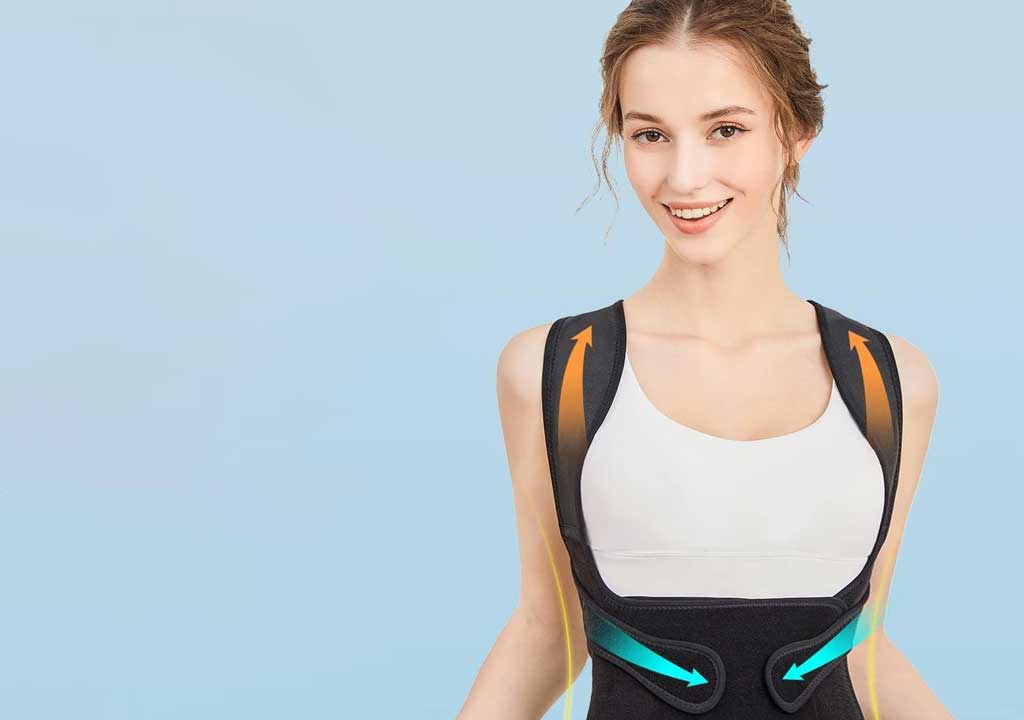
A posture corrector is a device designed to remind your body to maintain a more upright position, typically by pulling the shoulders back or stabilizing the spine. There are several forms, ranging from simple elastic bands that gently pull the chest open to rigid braces that provide more structured support. Most options fall into one of these broad categories:
• Posture straps or back braces that wrap around the shoulders and upper back.
• Posture shirts or "wearable" garments with integrated supports.
• Upper back supports with a brace-like frame.
• Smart or sensor-equipped devices that vibrate or notify you when you slouch.
Each type has its own set of advantages and trade-offs, which we'll unpack in the next sections.
Who should consider using a posture corrector?
Posture correctors aren't for everyone, but they can be helpful in several scenarios. Consider a corrector if you:
- Spend long hours seated and notice rounded shoulders, neck strain, or upper back tightness.
- Aim to establish a habit of better posture, especially during work or study sessions.
- Are recovering from a shoulder or upper back injury under guidance from a clinician.
- Want a structured cue to remind the body to align while performing daily activities or workouts.
On the flip side, you may want to avoid a posture corrector if you have a history of skin sensitivity, severe scoliosis, nerve irritation, or pain that worsens when wearing a brace. If you're uncertain, consult a healthcare professional, especially if you have existing conditions like arthritis, disc problems, or chronic neck pain.
Types of posture correctors: what's on the market
Understanding the main types can help you narrow your choices quickly. Here's a practical breakdown of common options and what they're best for:
1) Fabric back braces and shoulder straps
These are the classic, often inexpensive options. They wrap around your upper torso, pulling the shoulders back to encourage an upright posture. They're typically lightweight, breathable, and easy to wear under or over clothing. Best for incremental reminder use, desk workers, and beginners who want a simple, non-intrusive solution. The downside: they may feel bulky under tight clothing, and over time some users report dependency if used too aggressively without complementary exercises.
2) Posture shirts and compression tops
These garments integrate flexible panels or bands into the fabric, providing subtle support without a hard frame. They are convenient for wearing throughout the day and during exercise. If you dislike straps digging into your skin, a garment can be a comfortable alternative. However, they may offer less rigid cues than a brace and can be pricier than standard straps.
3) Rigid or semi-rigid back braces
For stronger support, rigid braces use a structured frame or reinforced panels that keep the chest open and the thoracic spine aligned. They're useful for people with more significant posture deviations or those who want a clear, stable cue during activities like heavy lifting. The trade-off is greater bulk, heat retention, and a longer acclimation period. They're less discreet and may require proper sizing to avoid pinching or restricted movement.
4) Posture trainers with sensors or smart features
In the smart category, devices use sensors to detect slouching and deliver a gentle external cue-like a vibration or a mobile notification. They're excellent for habit formation because they provide real-time feedback without needing to constantly watch your posture. They can also track improvements over time. The drawbacks include cost, battery life concerns, and the potential for over-reliance if you don't pair the device with mindful posture training and strengthening exercises.
5) Specialized supports for athletes and mobility
Some products are designed specifically for athletes, with options that support posture during weightlifting, yoga, or cycling. These devices balance comfort, range of motion, and stability, so you can train with the correct alignment in mind. The best choice depends on your sport and the level of support you need during dynamic movements.
How to choose: a practical, starter-friendly decision process
Choosing the right posture corrector can feel overwhelming at first. Here's a straightforward step-by-step process you can follow to make a solid purchase decision.
Step 1: Clarify your goals
Ask yourself what you want to achieve. Is your goal to reduce neck and shoulder tension after long calls? Or to train your spine to stay upright during computer work? Maybe you want a device you can wear during workouts. Your goals help determine the level of support you need and how strictly you should follow usage guidelines. If your aim is to develop a habit, a lighter, more comfortable option with reminders may be ideal. If your aim is to address a structural posture issue, you may require a more structured brace combined with physical therapy exercises.
Step 2: Assess your daily routine and locations of use
Think about when you'll wear the device most: at the desk, during commutes, or at the gym. If you want something discreet under formal clothing, a sleeve or shirt option might work better than a bulky brace. If you'll be moving a lot, you may prefer lightweight straps or a breathable fabric with minimal bulk. For gym use, ensure the device won't interfere with movements or equipment and won't slip during exercise.
Step 3: Check sizing and adjustability
Most posture correctors come in size ranges with adjustable straps. Confirm that the product offers a wide size range or multiple sizes if possible, and that adjustments are easy to manage throughout the day. A good fit reduces chafing and slippage and ensures consistent cues. Before buying, review size charts and, if possible, measure your chest and torso dimensions to compare with the manufacturer's guidance.
Step 4: Prioritize comfort and materials
Comfort matters for adherence. Look for breathable fabrics, smooth edges, and soft contact surfaces. If you have sensitive skin or a tendency toward irritation, check for hypoallergenic materials and avoid braces with rough synthetic straps that rub. Consider whether you'll wear the device for long periods and if you'll need to wash it frequently; some fabrics are machine washable, others require hand washing or spot cleaning.
Step 5: Decide on the level of support
Begin with a milder option if you're new to posture correction. A light strap or fabric shirt can provide subtle cues and reduce the risk of over-tightening or dependency. If you've already tried lighter options without results, you might opt for a more structured brace with a higher degree of support. Remember that more rigid does not always equal better-comfort and consistent use are often more important for long-term results.
Step 6: Consider sensors and feedback features (if you want a tech edge)
If you're interested in building awareness and tracking progress, a smart posture trainer can be a game-changer. Look for features like adjustable vibration intensity, smartphone integration, data history, and battery life. Ensure the device is user-friendly and that the notifications aren't overly distracting in daily life or during work.
Step 7: Examine care, durability, and warranty
Posture correctors vary in durability. Check the stitching quality, buckle or clasp reliability, and whether replacement parts are available. A reasonable warranty and a straightforward return policy are signs of a product that the brand stands behind. Consider how long you expect the device to last and whether maintenance tasks-like washing or replacing pads-fit into your routine.
Step 8: Set a budget and compare value
Prices range from affordable basic straps to premium, sensor-equipped devices. A higher price may reflect stronger materials, better fit, and more features, but it's not a guarantee of better outcomes. Decide how much you're willing to invest and weigh not just the upfront cost, but ongoing costs for replacements, batteries, or parts. A practical approach is to pick a model that offers the features you want most at a price you're comfortable with, and then reassess after a few weeks of use.
Fit, sizing, and comfort in detail
Once you've narrowed to a couple of options, pay special attention to fit and comfort. Here are practical tips to ensure your choice feels right from day one:
- Try before you buy when possible. If you're shopping online, check the retailer's return policy and choose items with free returns.
- Measure your torso and chest or refer to the manufacturer's sizing guide. Tightness should be firm enough to cue posture but not so tight that it restricts breathing, circulation, or range of motion.
- Test different adjustment positions. Some devices have multiple anchoring points; find the configuration that yields a natural, tall posture without compressing your ribs or causing shoulder blade pain.
- Wear it as you would during an actual routine. If you plan to wear it at the desk, try typing, looking at the screen, and reaching for items to ensure it stays comfortable.
Materials, skin safety, and ergonomics
Choose materials designed for daily wear. Look for:
- Breathable fabrics that wick moisture and minimize heat buildup.
- Soft edges and padded areas where straps contact skin to prevent chafing.
- Non-irritating fasteners and buckles that won't poke or rub during movement.
- Hypoallergenic components if you have sensitive skin or known allergies.
Ergonomics matters as well. A good posture corrector should guide your shoulders back while maintaining a natural curve of the spine. If a device forces your upper back into an exaggerated arch, you might end up with new tensions or numbness. The goal is a gentle cue toward better alignment, not a rigid hold that fatigue or restricts movement.
Activity-specific guidance: choosing for work, home, or workouts
Different contexts call for different features:
For desk workers
Look for lightweight, discreet options that don't interfere with the keyboard, mouse, or screen height. Breathable fabrics and low-profile straps are a bonus. A wear-without-notice design can help with adherence throughout the workday.
For home and mobility
Comfort and ease of use become more important when you're moving around the house or commuting. A flexible strap system with easy on/off may be preferable to a rigid frame. A simple reminder device with sensory feedback can be effective if you're new to posture training.
For athletes and gym sessions
Choose options that allow a full range of motion and won't slide during dynamic movements. Some athletes prefer lighter straps during warmups and switch to a more structured brace for heavy lifting days if needed. Always ensure the device does not hinder breathing or form during exercises.
Usage guidelines: how to wear and progress
Posture correction is a habit, not a one-time fix. Here are practical guidelines to maximize benefits while minimizing risks:
- Start gradually: wear the device for 15-20 minutes per day initially, then increase by 10-15 minutes as you feel comfortable. Avoid overnight or continuous wear unless advised by a clinician.
- Use a plan: pair the device with targeted posture-strengthening exercises for the upper back, chest, and core. Strengthening helps maintain the improved posture once you stop relying on the device.
- Watch form, not just alignment: a cue to sit tall is useful, but ensure your spine maintains natural curves and your neck stays relaxed.
- Listen to your body: if you experience numbness, tingling, or pain, remove the device and reassess the fit or consult a professional.
Consistency is key. A device cannot replace a healthy routine, but it can be a powerful nudge to adopt better posture habits. If used correctly, you may notice reduced neck tension, fewer headaches, and a more comfortable sitting position over time. Remember that the aim is sustainable change, not a temporary fix.
Care, maintenance, and longevity
To get the most from your posture corrector, follow these practical care tips:
- Hand wash or machine wash on a gentle cycle if the label allows. Use a mild detergent and air dry to preserve elasticity.
- Inspect straps, seams, and buckles regularly for wear. Replace worn components to avoid sudden failure during use.
- Store in a cool, dry place away from direct sunlight to prevent material degradation.
- Keep your device clean, especially if you wear it daily, to reduce skin irritation or odor buildup.
Safety considerations and who should avoid certain devices
While posture correctors are generally safe for most people, there are scenarios where caution or medical advice is warranted:
- Recent shoulder or spinal surgery, acute back pain, or nerve symptoms should be assessed by a clinician before using a brace.
- Pregnancy or conditions that alter abdominal or thoracic pressure may require specialized guidance.
- Poor circulation, numbness, or skin infections near the straps require medical input and may necessitate avoiding a brace altogether until cleared.
If you have any concerns about safety or suitability, consult a physical therapist, chiropractor, or physician who can tailor recommendations to your specific condition and goals. A professional assessment can be especially valuable if you've tried several devices without noticeable improvements.
Price ranges and where to buy
Posture correctors come in a wide price range. You'll typically see:
- Budget options: basic straps or fabric shirts, usually under $25-$50. These are good for testing the waters and learning about what fits you.
- Mid-range options: more customizable fits, better fabrics, and some light features like simple tension adjustment or added padding. Expect $50-$100.
- Premium options: rigid frames, advanced fabric technologies, and smart features (vibration alerts, app connectivity). These can range from $100-$250 or more.
Where to buy matters for returns and guarantees. Look for reputable brands with clear sizing charts, clear care instructions, and straightforward return policies. Reading customer reviews can help you gauge comfort and durability in real-world use. If you're shopping online, check whether you can try the product risk-free and return it if it doesn't fit your needs.
Common mistakes to avoid
Even good intentions can lead to suboptimal results. Watch out for these pitfalls:
- Over-tightening: squeezing too tightly can restrict breathing, irritate skin, or cause numbness. It should cue better posture, not pin you in an uncomfortable position.
- Over-reliance: relying exclusively on the device without strengthening the back, core, and shoulder muscles can lead to dependency and eventual reduced benefit when you stop wearing it.
- Inconsistent use: wearing it only sporadically undermines habit formation. Consistency matters more than intensity of use.
- Ignoring fitting issues: a poor fit, uncomfortable seams, or a device that shifts during movement undermines the whole purpose.
A practical starter plan: what to do in the first 30 days
If you're new to posture correction, here's a simple plan to help you get started and build momentum without frustration. Adjust it as needed based on your lifestyle and comfort levels:
- Week 1: Choose a light option and wear for 15-20 minutes daily during desk work. Focus on awareness and notes about where you feel tension or strain.
- Week 2: Increase wear time by 10-15 minutes if comfortable. Start light posture-strengthening exercises (scapular squeezes, chest stretches, and core work) 2-3 times per week.
- Week 3: Consider a slightly more structured option if necessary, but avoid jumpy increases in support. Continue with exercises and begin incorporating micro-breaks: stand up, stretch, move every 30-60 minutes.
- Week 4: Reassess goals. If you're meeting your comfort and posture cues, maintain, otherwise refine fit or try a different option. Consider a long-term plan that integrates both the device and a strengthening routine.
By following a staged approach, you'll learn how to integrate a posture corrector into your routine in a way that supports sustainable improvements rather than quick fixes that fade away.
Real-world considerations: buyer profiles and scenarios
Different people have different needs. Here are a few typical scenarios and which features tend to matter most:
- Student or remote worker with a casual wardrobe: seek a low-profile, comfortable option that can be worn under clothes and during long study sessions.
- Office professional concerned with neck and upper back pain: prioritize supportive but discreet options that don't disrupt professional attire or screen visibility.
- Athlete or gym-goer: look for devices that don't hinder movement during exercise and can be used during cooldown sessions or post-workout stretching for improved posture alignment.
- Someone new to posture training: start with a light, easy-to-use device to build awareness before moving to more structured supports.
Frequently asked questions
Here are quick answers to common questions that buyers often have:
Will a posture corrector cure my posture?
No single device will cure posture overnight. It's a supportive tool that can help train your body to maintain better alignment when paired with consistent movement, strength training, and ergonomic adjustments.
How long should I wear it per day?
Start with short sessions and increase gradually. Most people find 20-60 minutes per day split across the day to be a reasonable starting point. Do not wear continuously for several hours without breaks unless guided by a clinician.
What if it causes pain or skin irritation?
Discontinue use and check fit first. If irritation persists, consult a healthcare professional. Consider trying a different material, adjusting fit, or using a different type of device that's gentler on the skin.
Bottom line: your practical starter guide to choosing
Choosing a posture corrector is about balancing ease of use, comfort, and effectiveness with your personal goals. Start with a simple, comfortable option if you're new to this journey. Ensure the fit is secure but not constrictive, choose breathable materials, and consider whether you'd benefit from a basic reminder approach or a smart device with feedback. And above all, pair any device with a plan: ergonomic setup, regular movement, and targeted exercises that strengthen the muscles that support good posture. With the right approach, you can build a sustainable habit that reduces tension, improves alignment, and enhances your everyday comfort.
In the end, the best posture corrector for you is the one you'll actually wear consistently, feel comfortable using, and integrate into a broader routine aimed at long-term health. If you'd like, tell me about your daily routine, work environment, and goals, and I can help you narrow down a few specific models that match your needs and budget. Happy upright days ahead!
Disclaimer: This article is not medical advice. If you have chronic pain, a diagnosed spine condition, or recent injury, consult a qualified health professional before starting any posture program or using a posture corrector.
LIKED THIS ARTICLE? SHARE IT: