









Sit Up, Walk Strong: A Traveler’s Guide to Portable Posture Support

Sit Up, Walk Strong: A Traveler's Guide to Portable Posture Support
Traveling is a joy-the thrill of new places, the anticipation of unfamiliar foods, the stories you'll tell when you finally reach your destination. Yet long journeys can take a toll on your body, especially your spine, neck, and shoulders. The hours spent slouched over a laptop in a cramped seat, the weight of a backpack or rolling suitcase, and the constant forward gaze at phones and itinerary screens can add up to a fatigue that sours a trip before you've even started the adventures you planned. The good news: you don't have to sacrifice comfort for mobility. With a few portable posture tools and a small set of routines you can do on the road, you can sit up straighter, stand taller, and walk with steadier steps-no matter where you roam.
In this guide, we'll explore why posture matters while traveling, what portable tools are worth carrying, and practical strategies you can implement right away. Think of it as a compact playbook for staying tall and moving well from gate to gate, hotel room to hotel room, and city street to mountain trail. By combining smart gear with mindful habits, you'll enjoy longer-lasting energy, reduced pain, and a posture that travels as far as your curiosity does.
Why Travel and Posture Matter
When you travel, your body is in a constant state of adaptation. You're crossing time zones, dealing with unfamiliar beds and furniture, and contending with crowds and transit hubs that demand quick reactions. Even small misalignments-like the neck craned down to look at a phone, or the lower back slouched against a seat-compound over hours and days. The cumulative effect can show up as neck stiffness, low back pain, shoulder tension, headaches, and fatigue that dull the shine of your trip.
Good posture does more than improve aesthetics; it helps your respiratory efficiency, circulation, and core stability. A tall spine takes pressure off the discs and ligaments, supports the muscular chain from neck to hips, and improves balance. For travelers who might be juggling heavy bags, staircases, and uneven pavements, maintaining a neutral spine can make the difference between a day of exploration and a day spent nursing discomfort. The key is to make posture support portable, unobtrusive, and easy to remember in the chaos of travel.
Posture on the road also interacts with energy and recovery. When your spine is well-aligned, your breathing is more efficient, your core engages more effectively, and your movement feels steadier. That translates into better sleep, quicker recovery after long flights or train rides, and more reliable stamina for sightseeing, workouts, or day trips. In other words, portable posture support isn't a luxury; it's a travel hack that helps you maximize every moment of your journey.
Understanding Portable Posture Tools
There is a spectrum of tools designed to support posture on the go-from simple reminders to wearable devices and ergonomic accessories. The most effective portable options share a few characteristics: they are compact, lightweight, easy to use, and do not disrupt your ability to move or travel with your gear. Here's a lay of the land to help you decide what might work best for your travel style.
First, consider posture reminders and lightweight supports that teach your body to hold a better position without constants. These include wearable posture correctors-thin, flexible bands or braces that gently cue you to sit or stand tall. They should be comfortable for extended wear and easy to adjust. Some travelers prefer subtle supports that can be worn under clothing, while others opt for more obvious devices when they're seated for long stretches, such as on planes or trains.
Second, there are lumbar and seat supports designed to transform a compact seat into a more ergonomic workstation or resting posture. A slim lumbar roll or a small cushion can transform a cramped seat into something that supports the natural curve of your spine. They are particularly useful on long-haul flights and train rides where you're often seated for extended periods.
Third, core-friendly gear and mobility tools that aren't strictly "posture devices" but support movement and stability. Think foldable foam rollers, travel-sized resistance bands, and compact massage balls that travel easily in a carry-on. These tools support muscle balance and can be used during layovers or in the hotel room to unwind tension and restore range of motion.
Finally, quality footwear, ergonomic accessories for daily living (like a properly supportive pair of boots for sightseeing or a comfortable ergonomic walking shoe), and a small, packable stretch routine can dramatically influence how your posture holds up from morning to night. The goal is a light modular kit you can tailor to each trip-one that helps you sit up, stand tall, and move with confidence without weighing you down.
Posture Correctors: What They Do and How to Use Them
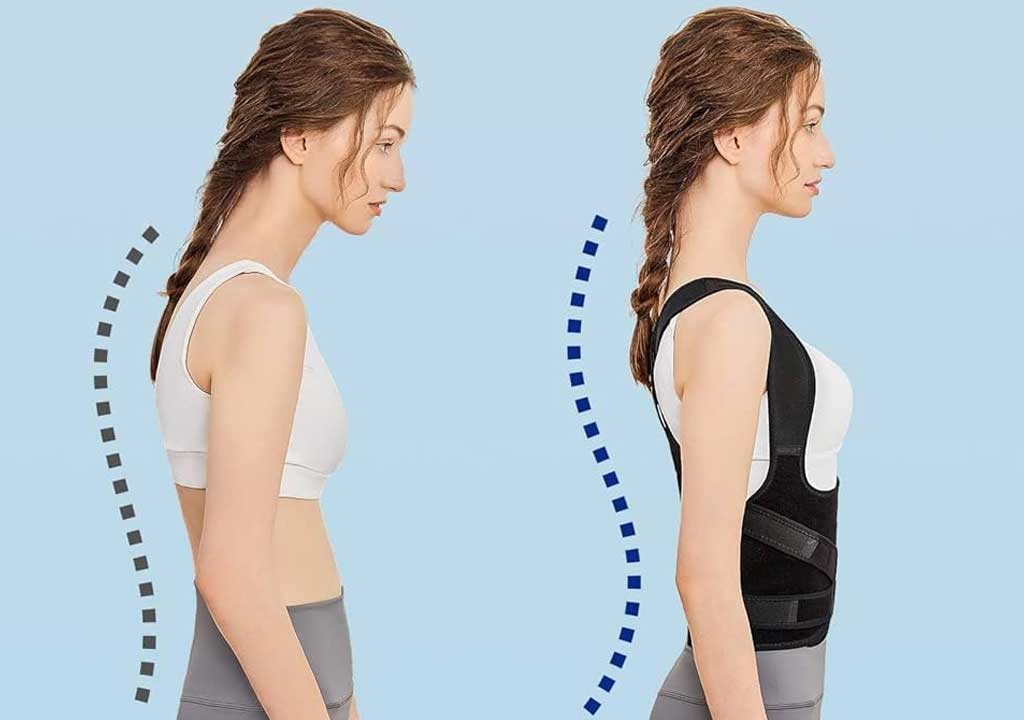
Posture correctors fall along a spectrum-from subtle slings and straps that remind you to pull your shoulders back to more structured devices that gently align the spine. The right option for you depends on your comfort, the duration of wear, and how visible you're willing to be in public. Here are practical guidelines to help you choose and use them well.
First, pick a model that is comfortable enough to wear for the hours you expect to travel. Materials should be breathable and non-irritating against your skin, especially if you'll wear it for a long flight or an all-day excursion. Adjustable straps allow you to customize the level of support without restricting breathing or movement. A good fit is one that you can forget you're wearing most of the time, not something that constantly reminds you it's there.
Second, set realistic wear times. Start with short sessions of 15-30 minutes when you first begin using a posture corrector, gradually increasing as your body adjusts. Do not rely on a device to the point where you lose awareness of your own postural cues. The best use is as a coach that nudges you toward proper alignment while you build the habit of maintaining posture on your own.
Third, wear it in situations where you tend to slump the most. On planes during long stretches, in front of a laptop on trains, or when you're loading and unloading luggage. Use the corrector as a reminder to re-centre your spine, roll your shoulders back, and engage your core. Over time, you'll notice you're able to sit upright with less conscious effort, which is the goal.
Finally, pair a posture corrector with other tools and routines. A corrector is not a miracle solution; it works best when combined with movement breaks, targeted exercises, and awareness of your body's signals. If you have a history of back pain or injuries, check in with a physiotherapist or medical professional before long-term use, especially for wearable devices that apply pressure or restrict movement.
Lumbar Supports and Seat Comfort on the Go
A compact lumbar support can dramatically improve comfort in a cramped seat, whether you're on a red-eye flight or a long bus ride. The focus is on creating a gentle curve that supports the natural lordosis of the lower back, reducing the strain that builds from prolonged sitting. When you travel, a few well-chosen accessories can transform a hard seat into a more forgiving surface for your spine.
Look for lumbar supports that are lightweight, foldable, and easy to pack. Materials like memory foam or contoured EVA provide just enough resistance to stabilize the lower back without pinching or overheating your hips. A slip-on cushion that attaches to the seat or a compact insert you place behind your back can make a noticeable difference in comfort without taking up much space in your luggage.
Positioning is key. Place the support at the level of your lower back, roughly the third to the fifth lumbar vertebrae, so your spine maintains its natural inward curve. If you're using it on an overnight flight, you can combine it with a neck pillow and a compact footrest to create a small rest area that reduces pressure along the entire spine chain. Even when you're standing, small lumbar supports can help you maintain an upright posture as you transition from seat to standstill and back again.
For travelers who mix modes-plane, train, car-a single, versatile lumbar cushion can smooth the transition between environments. Lightweight, washable covers add convenience, and a simple strap or pocket design means you can secure it to a seat, a car seat, or a chair in a hotel lobby while you wait for check-in. The goal is an unobtrusive device that stays with you as you move, not something that becomes a burden in your carry-on.
Core-Friendly Mobility: Exercises You Can Do on the Road
Exercise is the ultimate ally of good posture, and you don't need a full gym to keep your core and spine strong while you travel. A few simple routines can be performed in a hotel room, at your gate, or during a layover. The idea is to build a routine that strengthens the muscles that support your spine, increases flexibility, and teaches your nervous system to recruit the right muscles during daily activities.
Begin with a 5-10 minute routine that you can confidently repeat in any space. Think about movements that wake up the chest, back, and hips, all while maintaining a neutral spine. Some effective options include: gentle cat-cow stretches to mobilize the spine; pelvic tilts to engage the core and reinforce spinal stability; overhead reach and shoulder blade squeezes to counteract forward-leaning posture; and hip hinge motions to improve mobility for bending and lifting luggage. You can perform these in a hotel room before you head out for the day or in the airport lounge during a layover.
Another practical addition is a quick breathing exercise combined with posture checks. Inhale through your nose, allowing your chest to rise as your shoulders gently fall back. Exhale slowly and feel your abdominal muscles engage to support the spine. Repeat for five to ten breaths while you softly recalibrate your posture. Over time, this becomes a habit you can call on in any environment-more breath, better alignment, more control over how you move.
For travelers who want a little more structure, carry a compact resistance band. A few minutes of seated rows, resisted shoulder presses, and standing hip extensions can complement the core work you're already doing. Resistance bands are light, inexpensive, and versatile enough to be used in a hotel room or in a quiet corner of a café while you plan your day. The key is consistency and keeping the routines portable and accessible even on the tightest itineraries.
Practical Packing: How to Choose and Pack Your Posture Gear
The right gear makes a big difference, but the best gear is gear you forget you're carrying because it's light, compact, and convenient. When you pack for a trip, aim for a lean posture kit that fits into a small pouch or hidden pocket in your carry-on. Here are practical guidelines to help you assemble a traveler-friendly posture toolkit.
First, prioritize weight and volume. Look for ultra-light items under 200 grams for small supports or collapsible versions that compress to a small travel pouch. A single lumbar cushion, a compact posture corrector, and a set of resistance bands can cover many scenarios without taking over your luggage. If you're traveling light, you might combine a thin strap-on posture belt with a small cushion and skip the rest.
Second, consider climate and comfort. If you're visiting hot climates, favor breathable fabrics and moisture-wicking materials for any wearable device. If you'll be in cooler environments or on long flights, look for temperature control and soft, skin-friendly fabrics that won't irritate. For cushions, memory foam with a breathable cover or a gel-based insert can offer comfort without overheating.
Third, think about compatibility with your routine. If you're a frequent flyer who spends hours airborne, a packing list might include a lumbar support, a light posture corrector, and a small mat or towel for a morning stretch in your hotel room. If you're a hiking traveler, you'll want a comfortable belt or strap that can attach to your backpack and a compact foam roller or massage ball for post-activity recovery.
Finally, invest in quality but plan for wear. A good posture kit should withstand vagaries of travel-pressure from stowing luggage, occasional moisture, and the roughness of being packed and unpacked. Read reviews on fit, durability, and ease of cleaning. The right combination can make your posture tools feel like second nature, not a burden to carry.
Travel Scenarios: Plane, Train, Car, Walking, and Beyond
Different travel scenarios demand different approaches to posture. Here are practical, scenario-based tips to help you stay aligned and energized no matter how you move.
Plane travel: Airplanes can be particularly unforgiving to posture. The seats are narrow, the lumbar zone often under-supported, and the cabin humidity can make you feel stiff. Use a compact lumbar cushion, wear a light posture corrector during longer stretches, and take short movement breaks every 45-60 minutes. Stand up, stretch gently, rotate your torso, and do a few deep breaths to reset your posture, then return to your seat with a taller spine. During layovers, perform a brief body-weight routine in the gate area to keep your joints lubricated and your core engaged.
Train travel: Trains typically offer more legroom than planes, but the continuous motion can lead to a relaxed posture if you don't pay attention. Sit with your hips back, use a small cushion behind your lower back, and keep your shoulders aligned over your hips. If you have a long ride, consider a light resistance routine you can perform in your seat or against a wall at a station-thumbs up for a simple 10-minute routine that includes hip hinges and rows with a band, if available.
Car travel: In a car, your posture is heavily influenced by your seating position and the way you drive. Adjust your seat so that your knees are slightly lower than your hips, and your spine is supported along its full length. Use a lumbar roll to fill any gaps behind your lower back and position your headrest to support the natural curve of your neck. If you're the driver, take a break every 90 minutes to stretch, walk, and reset your posture. If you're a passenger, use the opportunity to do a quick mobility routine or a few deep breathing cycles to prevent passive slouching.
Walking and sightseeing: Walking is one of the best ways to counteract the effects of prolonged sitting, but it can also create new postural challenges if you overstride or shoulder-hunch while looking at maps. Keep your chin parallel to the ground and your gaze forward. Engage your core as you walk, and avoid the "text neck" habit by raising your head and watching the horizon a bit. If you're carrying a backpack, adjust the straps so weight is distributed evenly and the pack sits high on your back rather than pulling you backward. A waist belt can also help stabilize the load and reduce awkward twisting on uneven terrain.
Tips for Sustainable Posture on the Move
To make posture a habit rather than a series of one-off adjustments, embed sustainable cues into your travel routine. Small, consistent actions add up to meaningful changes over the course of a trip and beyond. Here are practical tips to help you build lasting posture habits while you explore the world.
1) Set up visual reminders. Place a lightweight note on your passport or boarding pass with a simple cue-"Sit tall, shoulders back, chest open"-to remind yourself to adjust posture as you sit and wait. A post-it on your phone case or travel journal can serve the same purpose. The key is a prompt that you see regularly so you don't drift into a slouched position between activities.
2) Build micro-breaks into your schedule. Schedule 2-3 minute posture breaks every 30-60 minutes when you're awake and active. Stand up, reset your spine with a gentle side stretch, rotate your torso, and take a few deep breaths. It doesn't require a lot of time, but it keeps your musculature balanced and your joints lubricated.
3) Practice a portable pre-sleep routine. Before bed, do a short sequence of gentle stretches that target the back, hips, and shoulders. This helps relieve the day's stiffness and sets you up for better sleep, which is essential for recovery when you're on the move. If you travel across time zones, prioritize breathing exercises and spinal mobility to ease jet lag and maintain your energy levels.
4) Choose footwear that supports posture. Invest in comfortable, supportive shoes that keep your feet balanced and maintain your alignment as you walk. Shoes with a stable heel, proper arch support, and a forgiving midsole can influence how you hold your body throughout the day. Swap out worn-out shoes for something supportive before you set off on long trips.
5) Hydration and nutrition matter. Dehydration can contribute to muscle stiffness and fatigue, which can derail even the best posture plan. Carry a water bottle and aim to drink regularly. A light, balanced diet that keeps blood sugar steady supports energy levels, focus, and the stamina needed for long days of exploration.
Case Studies: Real Travelers, Real Results
While every traveler is different, many share common experiences when posture is treated as a practical, portable element of trip planning. Here are a few anonymized snapshots of how travelers have integrated portable posture support into their journeys:
A photographer backpacking through Southeast Asia found that a compact lumbar cushion and a lightweight posture corrector allowed her to shoot for hours on the street without constantly shifting position to relieve back pain. She notes that taking deliberate breaks to stretch, use the cushion, and check her posture improved stamina and focus, letting her extend her days without sacrificing image quality or comfort.
A digital nomad spent weeks on trains and in coworking spaces across Europe. He used a small portable band and a micro-stretch routine to counteract the forward lean from screens. The result was fewer instances of neck tension and fewer headaches, which improved his ability to work efficiently on the road and enjoy longer sightseeing sessions in the evenings.
A family teacher traveling with children added a simple routine to their daily travel ritual: a 5-minute stretch before meals, followed by a brief posture check after every flight. The routine created a family habit that reduced fatigue and enhanced the overall enjoyment of their trip, even with busy itineraries and a demanding pace.
These stories illustrate that portable posture support isn't meant to replace movement or mindful ergonomics; it complements them. Travelers who combine posture tools with regular movement, proper hydration, and sensible pacing often find they gain more energy and enjoy their adventures more fully.
Getting Started: A Simple 7-Day Plan
If you're ready to integrate portable posture support into your next trip, here's a simple, gradual plan you can start now. This plan assumes you'll be traveling for a week and want to build a sustainable routine without overwhelming your packing list.
Day 1-2: Inventory and pack a small posture kit. Choose one lightweight lumbar cushion, one comfortable posture corrector (if you want to test wear), a compact resistance band, and a travel-sized foam roller or massage ball. Pack these in a dedicated pouch you can easily access on travel days. Accompany the kit with a 5-minute pre-trip routine you can perform in your hotel room or at the airport gate.
Day 3-4: Introduce movement breaks. On travel days, schedule a 2-minute break every 30-60 minutes. Stand, roll your shoulders, do a few spinal twists, and take a breath. On non-travel days, perform a 5-7 minute mobility routine in the morning and a 5-minute stretch in the evening to maintain spine health and mobility.
Day 5-6: Use the tools in real-world scenarios. Wear the posture corrector during longer flights or train rides (for short periods at first), place the lumbar cushion in your seat, and perform the short resistance-band routine during layovers or hotel downtime. Focus on alignment cues: chin level, shoulders relaxed, spine elongated, core gently engaged.
Day 7: Review and adjust. Reflect on which tools felt most helpful, which exercises you actually performed, and how your energy levels compared to a typical trip. Adjust your kit based on what you learned. If a particular device wasn't comfortable or practical, swap it for something that better fits your needs and comfort preferences.
Conclusion: Sit Up, Walk Strong on Every Journey
Travel is about more than reaching your destination; it's about how you experience the journey to get there. By embracing portable posture support, you empower your body to carry you further with less fatigue, pain, and strain. The combination of well-chosen devices, simple routines, and mindful movement creates a travel experience that's more enjoyable, more sustainable, and more sustainable in the long run. You'll find that you're able to explore longer, recover faster, and return home with stories to tell-stories that begin with a straight spine, open chest, and a confident, upright presence that follows you from the plane to the shoreline and beyond.
As you plan your next adventure, pack lightly but pack wisely. A compact posture kit isn't just an accessory; it's an investment in your comfort, your health, and your willingness to move boldly in new places. Sit up, stand tall, and walk strong-your best travels await, every step of the way.
LIKED THIS ARTICLE? SHARE IT: