









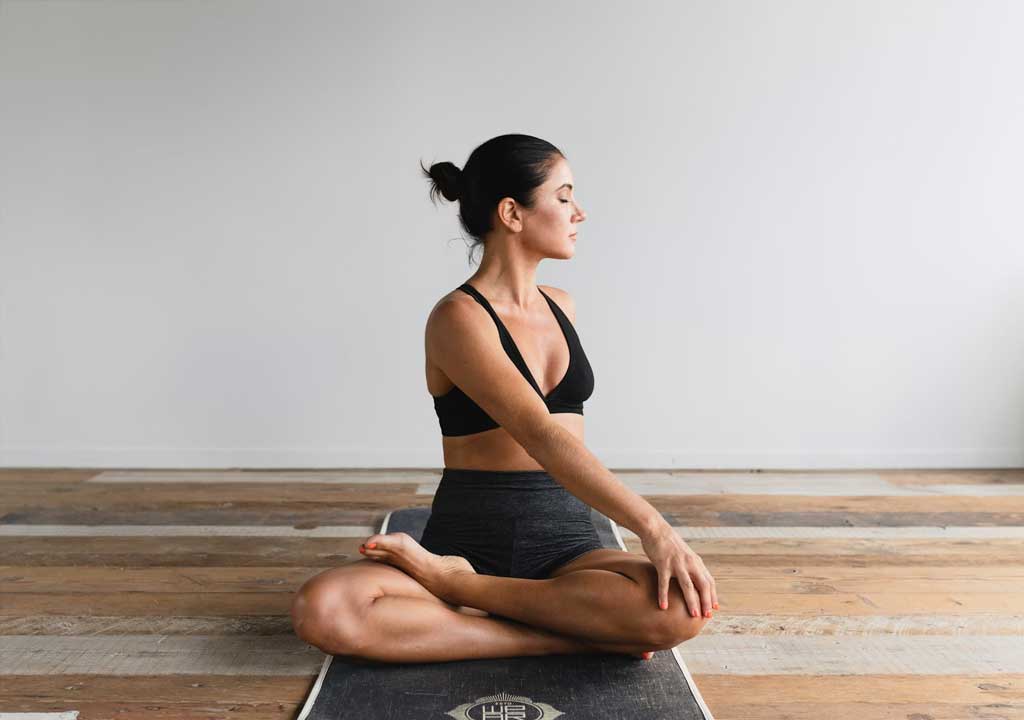


Posture Basics: Easy Habits for a Straighter Spine

Posture Basics: Easy Habits for a Straighter Spine
Posture often feels like a chore stuck somewhere between a gym routine and a daily grind. But the truth is simpler: small, sustainable habits can nudge your spine toward a more neutral, comfortable alignment without turning your life upside down. You don't have to become a rigid statue to stand tall. You only need to introduce a few easy checks, smart adjustments, and brief routines into your day. In this guide, you'll discover practical, science-based strategies to cultivate a straighter spine-one habit at a time.
Why Posture Matters
Good posture supports your body's natural curves, distributes weight evenly, and reduces the stress placed on muscles and joints. Slouching or hunching may feel comfortable in the moment, but over time it can contribute to neck and back tension, headaches, diminished lung capacity, and fatigue. When you sit or stand with your spine aligned, your rib cage and pelvis breathe easier, your shoulders relax away from your ears, and your head rests comfortably above your shoulders. The payoff isn't just a straighter silhouette; it's better breath, more energy, fewer niggles, and improved focus during the day.
Many people worry about "one perfect posture." The reality is that posture is dynamic. Gravity, daily tasks, and even ‘good' posture can drift. The goal is to keep your spine in a healthy range most of the time, not to force a rigid position at all times. Think of posture as a daily practice-something you cultivate with small, repeatable actions that fit into real life. With patience, your body will adapt to more balanced alignment without feeling restricted.
The 3 Pillars of Good Posture
To keep things simple, anchor your efforts on three interlocking pillars: alignment, stability, and mobility. Alignment means your ears, shoulders, hips, knees, and ankles line up in a balanced stack from head to toe. Stability refers to the ability to hold that alignment without excessive muscle effort, especially during movement or while under load. Mobility is the range of motion across the spine, hips, and shoulders that allows you to move through positions without compensations that pull you out of alignment.
When all three pillars work together, you'll notice less fatigue and fewer aches, even after long days at a desk or on your feet. The goal isn't rigidity; it's a poised, adaptable posture that supports your daily activities. A quick mental cue can help you check each pillar: "Is my head over my shoulders, my ribs over my hips, and my feet supporting me?" If the answer is yes most of the time, you're on the right track.
Daily Habits to Train Your Spine
Consistency beats intensity when it comes to posture changes. Start with tiny shifts that you can perform without disrupting your day-and gradually layer in a few longer routines. Here are practical habits you can weave into your daily life:
1) Check-in Rhythm: Set a gentle reminder every 30 to 60 minutes. When the alert goes off, take a moment to align your head, ribs, and pelvis. Relax your jaw, roll your shoulders down away from your ears, and gently tuck your chin so your ears stack over your shoulders. If you're at a computer, sit away from the edge of your chair and plant your feet flat on the floor with your knees at about a 90-degree angle. A quick reset like this takes less than a minute and makes a big difference over a day, a week, and a month.
2) Neutral Spine Slideshow: Practice a mini "slideshow" of positions you'll pass through during the day-sitting, standing, bending, and walking-while keeping your spine in a comfortable neutral. You'll train your nervous system to accept a neutral position as the default rather than an exception when you're tired or distracted.
3) Core Engagement without Strain: You don't have to clench everything to "lock in" posture. Subtly draw in your lower abdomen (like you're tightening a belt) and lengthen your spine from tailbone to crown. This engagement should feel easy, not forced. It helps stabilize your torso without taxing your back muscles or taking you into overextension.
4) Breath-Driven Mobility: Use diaphragmatic breathing to encourage ribcage expansion without flaring your ribs or straining your neck. Inhale through the nose, letting the belly rise, and exhale softly. As you breathe, imagine your lungs filling from the lower back corners up toward the collarbones. This breath pattern supports the thoracic spine and helps keep shoulders from hunching forward during long days.
Desk Ergonomics for a Straighter Spine
Your desk can either support your posture or sabotage it. A few simple adjustments transform a typical workstation into a posture-friendly workspace.
• Monitor height: The top of your monitor should be at or slightly below eye level so you're not constantly tilting your head up or down. If you need to crane your neck to see the screen, your neck muscles will take on extra strain. Consider a monitor stand or stack a few books to bring the display to the right height.
• Chair and seat depth: Your chair should support the natural curve of your lower back. If your chair doesn't have lumbar support, place a thin cushion or rolled towel behind your lower back to encourage an upright thoracic and lumbar curve. The seat depth should allow you to sit with your back against the chair while leaving about two to three fingers' width between the back of your knees and the chair edge.
• Feet and hips: Keep your feet flat on the floor or on a footrest. Avoid crossing your legs for long periods, which can tilt your pelvis and disrupt alignment. When possible, alternate leg position so you're not holding one posture for too long.
• Keyboard and mouse alignment: Position the keyboard so your elbows stay close to your sides and your forearms are roughly parallel to the floor. The mouse should be easy to reach without reaching forward, which can pull your shoulder into a hunched position. A light, relaxed grip reduces extra tension in the forearms and upper shoulders.
• Desk setup and screen distance: Place work items within easy reach to prevent overreaching. Keep a clear desktop to reduce the tendency to hunch forward toward the screen or scattered papers. When needed, use a separate document holder at or just below monitor level to avoid head flexion during data entry.
Smart Habits for Phone, Travel, and Everyday Movements
Modern life keeps us bending our attention toward handheld screens and compact spaces. The trick is to integrate posture checks into these moments so you don't revert to a slumped default.
• Phone posture: When texting or scrolling, hold the phone at eye level so you're not bending your neck forward. Bring your elbows in toward your body and keep your shoulders relaxed. Alternate between looking down briefly and turning your head to the side to reduce sustained neck flexion.
• Walking posture: Imagine a string gently pulling you upward from the crown of your head while your chin remains level. Let your shoulders rest away from your ears, and avoid hunching forward as you walk. Short, casual glides across your office or home can be an opportunity to reset posture with a quick check-in.
• Car and travel posture: Adjust your car seat to support your lower back, with the seat tilted so that your hip angle sits around 100-110 degrees. Sit back, keep your shoulders relaxed, and maintain a neutral neck by using a small neck pillow if needed. Stop frequently for short walks or stretches if you're on a long drive.
Breathing and Core Activation: Foundations of Posture
Breathing and core engagement aren't just about "belly fat" or performance; they're essential for posture. A well-timed breath helps you maintain a neutral spine and reduces the likelihood of tensing up in the neck and shoulders. A gentle core activation stabilizes your trunk, so you're less likely to compensate with the upper body when you lift, reach, or twist.
diaphragmatic breathing helps to distribute tension evenly. Practice this simple pattern: inhale through the nose for a count of four, allowing the abdomen to rise as the diaphragm lowers, then exhale through the mouth for a count of six. As you breathe, aim to keep your chest relatively still and ribs stable-your movement should come from the breath, not from forceful upper body motion. Combine this with a light pelvic floor activation and a soft engagement of the transverse abdominis (the "corset" muscles) to invite stability without stiffness.
Simple Stretches to Release Tension
Stretching matters because stiffness in the chest, neck, hips, and lower back often drives compensations that pull the spine out of alignment. The goal is not to reach extremes but to restore range of motion and reduce the need for your muscles to "fight" against poor posture throughout the day.
• Neck and upper back: Sit tall, shoulders relaxed. Gently drop the right ear toward the right shoulder and hold for 20-30 seconds, then switch sides. You can add a light stretch by turning your face toward the ceiling and then toward the floor to release tension along the neck muscles.
• Chest opener: Stand or sit tall, clasp your hands behind your back, and gently squeeze your shoulder blades together while you lift your chest. Hold for 20-30 seconds and breathe deeply. This helps counteract the tendency to slouch with prolonged desk work.
• Thoracic spine mobility: Place your hands on a wall at shoulder height and slowly rotate your upper body away from the wall, keeping your hips square. You should feel a stretch along the mid-back. Do 6-10 gentle reps on each side.
• Hip flexor release: Step into a shallow lunge, sink your hips forward gently, and feel a stretch along the front of the leg. Hold for 20-30 seconds on each side. Tight hip flexors can tilt the pelvis and pull the lower back into strain, so this stretch pays off over time.
• Glute and lower-back release: Lie on your back with knees bent. Cross one ankle over the opposite knee and gently press the left thigh away from you to open the hip. Hold for 20-30 seconds, then switch sides. This helps relieve compensations that can pull the spine out of alignment during daily tasks.
Strength Moves to Support a Straighter Spine
Strengthening key muscles around the spine-especially the glutes, back extensors, and scapular stabilizers-helps you maintain alignment with less effort as you move through the day. Focus on quality over quantity, and avoid pushing into pain. Start with easy progressions and gradually increase intensity as you build endurance.
• Glute bridges: Lie on your back with knees bent and feet flat on the ground. Press through your heels to lift your hips, keeping your spine in a neutral position. Hold for a moment, then slowly lower. Do 2-3 sets of 10-15 repetitions. The glutes support pelvic stability, which reduces excessive lumbar curvature during activity.
• Bird dog: On hands and knees, extend one arm forward and the opposite leg back, maintaining a neutral spine. Keep your hips level and your gaze forward. Hold for a few seconds, then switch sides. Start with 6-8 reps per side and gradually increase. This exercise trains balance and spinal stability without loading the lower back.
• Wall slides: Stand with your back, buttocks, and head against a wall. Bend your elbows to 90 degrees and press your arms against the wall as you slide them upward, keeping contact with the wall. Return slowly and repeat for 2-3 sets of 12-15 reps. Wall slides help retrain the scapular muscles and reinforce an upright upper body posture.
• Hip hinge and proper deadlift form: From a standing position, hinge at the hips with a neutral spine (not rounding or overarching) as you bend slightly at the waist to reach toward a light object on the floor. The emphasis is on hip movement rather than bending the spine. Practice this with light loads and controlled tempo to build posterior chain strength that supports the spine.
A 10-Minute Posture Reset Routine You Can Do Anywhere
Create a tiny ritual that fits into a short break, whether you're at work, at home, or traveling. The goal is to re-establish alignment, reduce tension, and refresh your nervous system. Here's a simple routine you can follow in about ten minutes:
1) 2 minutes of diaphragmatic breathing while seated or standing with a tall spine. Focus on slow, full breaths that expand the abdomen. Let the breath settle your shoulders away from the ears.
2) 1 minute of chin tucks to promote neutral alignment. Gently pull your chin straight back (as if you're giving yourself a double chin) without tilting the head. Hold for a second, then release. Repeat several times to reset the cervical spine.
3) 2 minutes of wall-supported scapular slides. Stand with your back to a wall, feet a little away from the wall. Keep the back of your head, upper back, and glutes against the wall as you slide your arms up and down along the wall. This re-educates shoulder blade retraction and chest openness.
4) 2 minutes of thoracic rotations. Sit tall, gently twist your torso to one side, using a hand on the thigh or chair for support. Return to center and repeat on the other side. Keep your pelvis stable and your hips facing forward.
5) 2 minutes of hip hinge practice. With a light weight or no weight, practice hip hinge movements to activate the glutes and hamstrings while maintaining a neutral spine. This builds the muscle memory needed for safer lifting and daily tasks.
6) 1 minute of gentle neck stretches. Finish with slow neck tilts and turns to release residual tension from the day.
Sleep, Pillows, and Mattresses: Posture Stops While You Dream
Your spine spends a lot of time asleep, so your bed setup matters. A few thoughtful choices can support your alignment through the night and reduce morning stiffness. The goal is to allow your spine to settle into a natural curve with minimal stress on the neck and lower back.
• Mattress: A medium-firm mattress often provides a good balance of support and contouring for most people. If your mattress is too soft, you may experience sagging in the hips and shoulders; if it's too hard, it can create uncomfortable pressure points. Consider rotating your mattress every few months to promote even wear and continue to assess how you feel in the mornings.
• Pillow height and position: For back sleepers, a pillow that supports the natural gap between your neck and the mattress without pushing your head forward is ideal. For side sleepers, a slightly higher pillow to align the head with the spine helps keep the neck in line with the rest of the spine. If you're a stomach sleeper, you may want to experiment with a thinner pillow or none at all, as this position can challenge neck alignment.
• Sleep posture rotation: If possible, alternate between back and side sleeping. A consistent side-sleep pattern with the spine aligned can relieve pressure on the lower back, whereas back sleeping often helps keep a neutral alignment for many people. Pay attention to what your body prefers and adjust accordingly.
Lifestyle and Mindfulness: Building Posture into Your Identity
Posture isn't just a physical habit; it's a mental one too. Small shifts in how you notice your body can yield meaningful improvements over time. Here are several strategies to integrate posture into your daily life without adding friction to your routine.
• Habit stacking: Attach a posture check to an already-existing habit. For example, every time you unlock your phone, take a 15-second posture pause: eyes forward, shoulders down, spine tall. When you stand up from a chair, do a quick alignment reset before you start walking. This approach leverages momentum to make posture effortless.
• Short movement breaks: If you work at a desk, set a timer for every 60 minutes to take a quick 2-minute break for posture work. Use this time to stand, walk, stretch, or perform the 10-minute routine described above. Regular micro-breaks help reduce the tendency to slip into a single posture for too long.
• Movement variety: Engage in activities that promote spine health outside of your work context. Regular walking, gentle yoga, swimming, or cycling can help maintain mobility and balance across the spine. A well-rounded movement routine reduces compensatory patterns that often appear with repetitive tasks.
• Mindful voice and expression: Some people shoulder extra tension when speaking for long periods, especially during meetings or calls. Use a calm, diaphragmatic breath while you speak, and keep your neck relaxed. This not only supports posture but also helps you communicate more clearly and confidently.
Measuring Progress: How to Know You're Making a Difference
Posture improvements often show up as reduced discomfort, greater ease in daily tasks, and improved energy levels. Here are simple ways to gauge progress without turning it into a performance metric that fuels stress.
• Visual checks: Use a mirror or a photo to assess your alignment in the most common positions-sitting at a desk, standing, and walking. Look for a vertical line from the ear through the shoulder, hip, knee, and ankle. You'll know you're on the right track when you can see the line align more consistently over time.
• Pain and comfort tracking: Keep a short daily log of where you feel tension or pain and when it occurs. As you adopt postural habits, note changes in the frequency and intensity of discomfort. A reduction in the number of days with symptoms is a positive indicator that your posture habits are paying off.
• Functional tests: A simple functional test can help you track progress. Stand with your back against a wall, heels about an inch away from the baseboard. Keep your head, upper back, and buttocks touching the wall, but avoid forcing your spine into a rigid position. Step away and note how long you can maintain comfortable upright posture without slouching. Over time, you should be able to hold a taller posture with less effort.
Common Mistakes and How to Fix Them
Even with good intentions, people slip into habitual patterns that undermine posture. Here are some frequent missteps and practical fixes you can try to keep your spine protected most of the time.
• Overcorrecting the neck: Pushing the head forward or pulling the chin too aggressively tends to create back and neck tension. Fix: Aim for a neutral head position with ears stacked over the shoulders, and use a gentle chin tuck rather than a forced line.
• Rigid shoulders: Keeping shoulders pinned tightly back can pull muscles in the neck and upper back, leading to stiffness. Fix: Let the shoulders rest away from the ears with a slight, natural backward fall. The key is comfortable alignment, not forced retraction.
• Slouchy desk posture: A common trap is to sit with the pelvis rolled backward and the tailbone tucked under. Fix: Sit toward the front of the chair so your back can reach the backrest without slouching. Use a small pillow or towel to improve the lumbar support if needed, and keep your knees at a comfortable angle.
• Holding one position too long: Even a good posture can become problematic if it remains static for hours. Fix: Use the 30-60 minute check-ins and the 10-minute routine described above. Movement resets prevent stiffness from creeping in between posture checks.
Putting It All Together: A Simple Starter Plan
New posture habits don't require a dramatic overhaul. Start with a two-week starter plan that gradually builds into a sustainable routine. Here's a straightforward path you can adapt to your schedule:
Week 1: Build awareness and begin micro-adjustments. Set a reminder every 45 minutes to a) check alignment, b) release tension in shoulders and jaw, and c) perform a quick 30-second diaphragmatic breath. Add one 2-3 minute stretch or mobility exercise on top of your normal routines in the morning or evening.
Week 2: Introduce the desk adjustments and bodyweight strengthening. Ensure your monitor height, chair support, and keyboard placement support a neutral spine. Begin the 5-10 minute posture routine at least twice daily-once in the morning and once during a mid-day break. Add two sets of the glute bridges or bird dogs with a focus on form and controlled motion.
Week 3 and beyond: Expand mobility and strength, and refine sleep habits. Incorporate a weekly longer mobility session such as a gentle yoga flow or a guided mobility video. Keep monitoring pain or discomfort; if you notice persistent pain, consider consulting a physical therapist or a movement professional who can tailor cues to your body's needs.
Final Thoughts: Posture as a Gentle Practice, Not a Punishment
Striving for a straight spine doesn't mean becoming rigid or tense. It means cultivating an awareness of how your body sits, stands, and moves, and then making small, repeatable adjustments that align with your daily life. The spine is designed to be resilient and dynamic, not brittle and fixed. If you can weave these habits into your routine-check-ins, mindful breathing, ergonomic setup, and short mobility and strength sessions-you'll likely notice improvements in comfort, energy, and ease of movement over weeks and months.
Remember: progress is a series of small wins. Each chair reset, each breath cycle, and each deliberate hip-hinged movement adds up. Your straighter spine isn't a destination; it's a sustainable practice that makes every other task-typing, lifting, walking, and sleeping-feel a little easier and a lot more aligned.
Takeaway: Your Path to a Straighter Spine Starts Today
Start with one concrete change you can implement right now. It could be adjusting your monitor height, performing the 10-minute posture reset routine, or simply pausing to take a diaphragmatic breath before your next email. Then commit to one additional habit this week-perhaps a neck release after meetings or a 15-second chin tuck before you stand. Small, consistent steps accumulate into meaningful improvements, and you'll likely notice less fatigue, fewer aches, and more energy to tackle your day with a taller, more confident posture. Your spine will thank you for it-and so will your overall well-being.
LIKED THIS ARTICLE? SHARE IT: