








Integrating Posture Correctors into Your Daily Routine

Integrating Posture Correctors into Your Daily Routine
In today's fast-paced world, poor posture has sneaked into our everyday lives-from the hours we spend hunched over a laptop to the way we slouch on the couch binge-watching our favorite shows. Posture correctors offer a practical, user-friendly way to build better alignment without completely overhauling your lifestyle. But like any tool, their value depends on how you use them. This guide will walk you through understanding posture correctors, choosing the right one, and weaving them into a sustainable daily routine that supports long-term spinal health and everyday comfort.
Understanding Posture Correctors
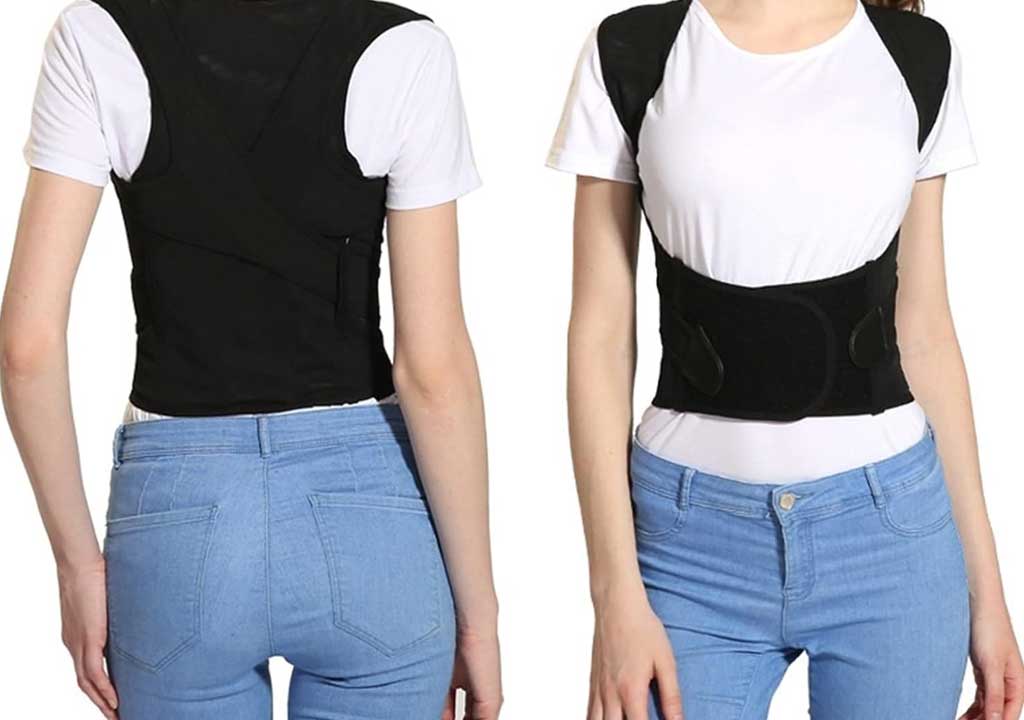
Posture correctors are wearable devices designed to train your muscles to hold your spine in a healthier alignment. They do not "fix" your posture by magic; instead, they provide cues, support, and gentle resistance to remind you to sit or stand tall. Think of them as a training wheel for your back muscles, helping you develop awareness and muscle memory over time.
There are several categories of posture correctors, each with distinct features and use cases:
- Shoulder-brace style: A lightweight strap that crosses the shoulders and upper back, encouraging a retracted shoulder position. Often discreet under clothing and good for daily wear at work or home.
- Clavicle or upper-back braces: Slightly more rigid support that helps guide the thoracic spine into extension and improves upper-back posture. Useful when you need a firmer reminder.
- Posture shirts or vests: Garments with built-in supportive panels that gently pull the shoulders back. They can mask the sensation of wearing a brace while keeping you comfortable.
- Exoskeletal or smart devices: Higher-tech options that combine sensors and feedback (vibration, prompts via app) to train posture and monitor progress over time.
When used correctly, posture correctors can:
- Increase body awareness by providing real-time feedback
- Reduce immediate strain on neck, shoulders, and upper back during long periods of sitting
- Encourage short bouts of better alignment throughout the day, which compounds over time
However, they are not a substitute for core strengthening, mobility work, or ergonomic setup. They work best as a supplement to a broader posture-improvement plan that includes movement breaks, strengthening exercises, and mindful habits.
Assessing Your Needs
Before you invest in a posture corrector, take a moment to assess what you actually need. A thoughtful approach increases the likelihood that you'll use the device consistently and benefit from it in the long run.
- Identify your main pain points: Do you experience neck tension, upper-back stiffness, or discomfort after long screen time? Pinpointing the area you want to support helps you choose a model with the right level of rigidity and coverage.
- Consider your daily environment: Do you wear formal clothing, work at a desk, or perform physical tasks? A discreet, lightweight option may be best for a professional setting, while a more supportive version might be suitable for home or rehab contexts.
- Note any medical considerations: If you have a history of spinal surgery, a herniated disk, or chronic pain, consult a healthcare professional before using a brace. Some conditions require tailored guidance or different devices.
- Set realistic goals: Are you aiming to reduce pain, improve breathing, or train your posture for long-term habits? Clear goals help you measure progress and stay motivated.
Start with a self-check: stand tall, let your arms hang relaxed, and observe your natural posture. Then compare that with how your body feels with a brace on for 10-15 minutes. If you experience numbness, tingling, or significant discomfort, discontinue use and reassess your fit or model choice. Comfort should be nonnegotiable; a device that causes pain will be counterproductive.
Choosing the Right Posture Corrector
Finding the right posture corrector is a balance between fit, comfort, and usefulness. Here are practical guidelines to help you pick wisely:
- Fit and adjustability: Look for fully adjustable straps, breathable materials, and a form that fits your torso length. Some products are designed for a wide range of body shapes, while others come in specific sizes. A good fit distributes pressure evenly and stays in place during typing or movement.
- Comfort and discretion: If you need to wear it under clothing, choose low-profile designs with soft edges and moisture-wicking fabrics. A device that's comfortable enough to wear for extended periods is more likely to be used consistently.
- Material quality: Breathable fabrics, padded shoulders, and reinforced stitching contribute to durability and comfort. Check for skin-friendly materials and avoid notch edges that could irritate the underarms or back.
- Ease of use: Simple one-handed adjustments and quick-release mechanisms make daily wear less frustrating. If you'll be using it at work, the device should be easy to don and doff without drawing attention.
- Durability and care: Consider models that are easy to clean and maintain. Removable covers or washable fabrics extend the life of the device in daily use.
- UX and feedback (for smart devices): If you choose a smart device, check the app interface, battery life, and how unobtrusive the alerts are. You want helpful cues, not constant nagging.
- Return policy and warranty: A flexible return policy and a solid warranty provide safety if the fit or comfort isn't right after a trial period.
In practice, many people benefit from starting with a lighter, more discreet option and gradually transitioning to a more supportive model if their schedule and goals require it. It's easier to adjust a lighter device and build tolerance for wearing it during different activities than to force a heavily reinforced brace into your daily routine overnight.
Integrating into Daily Routine
Now comes the core question: how do you weave posture correctors into a realistic, sustainable daily routine? The key is gradual exposure, paired with complementary habits that reinforce good alignment without creating dependency. Here's a practical, step-by-step approach you can adapt to your day:
Start Slow and Build Consistency
Begin with short wear windows-15 to 20 minutes-during tasks that typically cause slouching, such as desk work, gaming, or phone use. Gradually increase the duration by 5-10 minutes each few days, aiming for a couple of longer wear sessions (30-60 minutes) by the end of the first two weeks. The objective is to train your brain to notice alignment cues without feeling overwhelmed or restricted.
Tip: Pair wearing the corrector with a specific cue or habit, such as taking a deep breath and aligning your shoulders every time a notification appears on your computer. Consistent pairing of cue and action strengthens neural pathways that support good posture.
Anchor Posture to Daily Tasks
Attach wearing sessions to predictable routines. For example:
- During your morning routine and coffee break
- While drafting emails or writing reports
- During phone calls or video conferences
- After lunch or before a workout
Anchoring posture corrections to daily tasks reduces decision fatigue and makes the habit feel like a natural part of your day instead of an extra effort.
Smart Integration with Ergonomics
A posture corrector works best when paired with a good ergonomic setup. Take time to optimize your workspace:
- Monitor height at eye level to reduce neck extension or flexion
- Sit back in the chair with hips and knees roughly 90-degree angles
- Use a chair with lumbar support or add a small pillow behind the small of your back
- Keep the keyboard and mouse at a comfortable height to minimize shoulder strain
- Take micro-breaks every 20-30 minutes to stand, stretch, or walk
When the device and the workspace are aligned, you'll experience a reinforcing loop: better posture cues, reduced strain, and a desire to maintain comfort through better habits.
Exercise and Mobility as the Foundation
Posture correctors should complement, not replace, active muscle training. Incorporate a simple mobility and strength routine to strengthen the back, shoulders, and core, which in turn reduces the reliance on a brace over time.
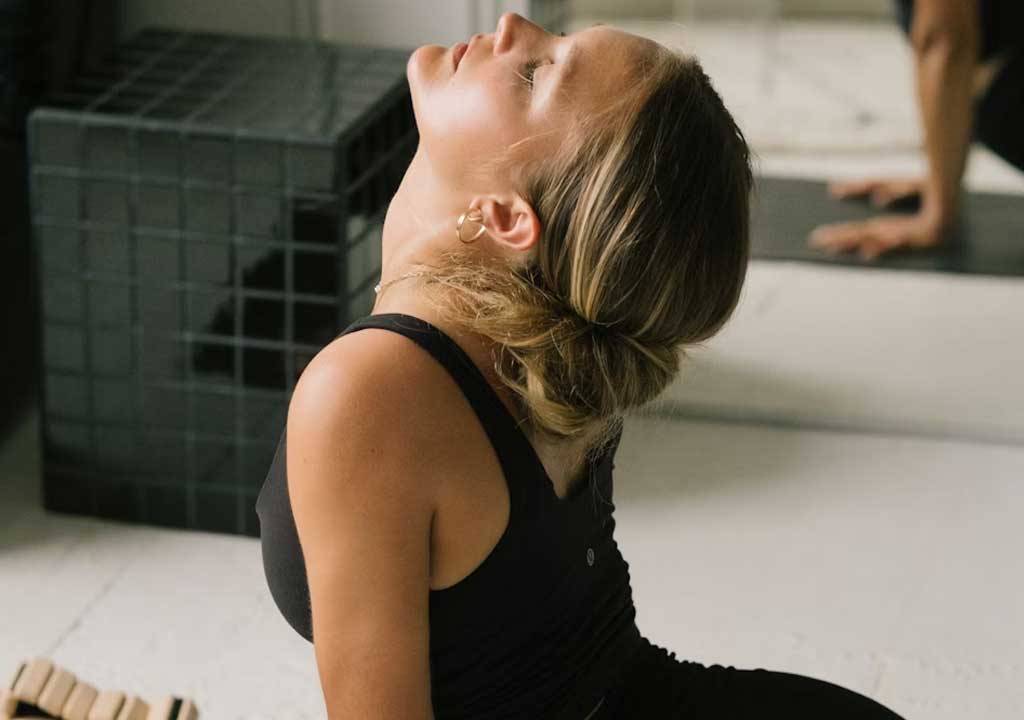
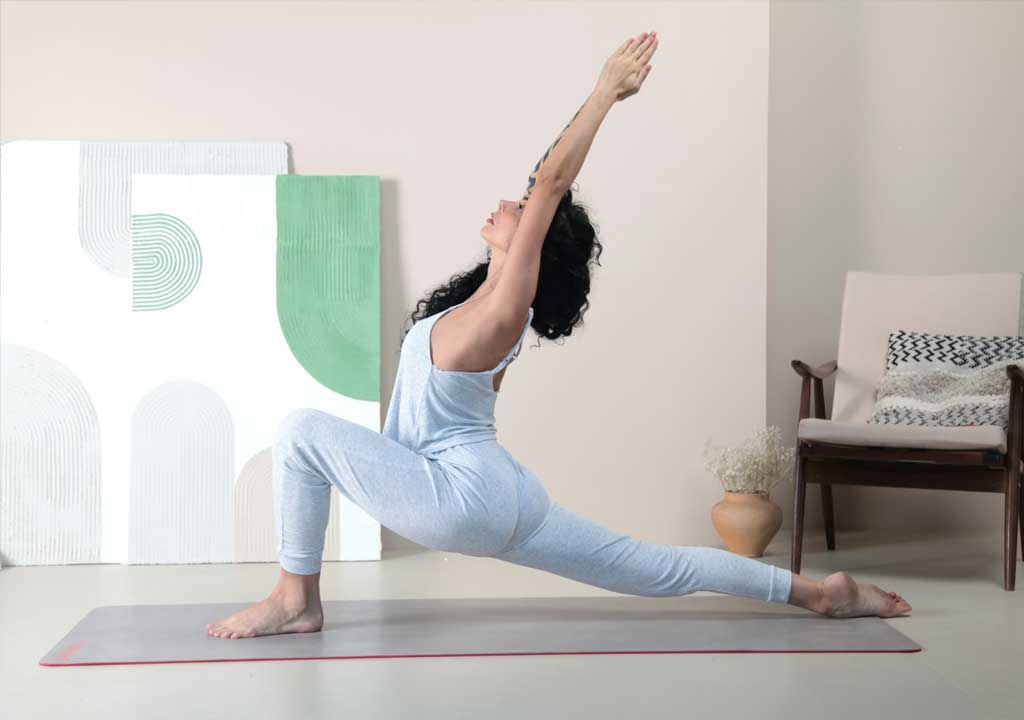
- Daily mobility: Cat-Cow stretches, thoracic spine rotations, chest openers, and shoulder blade squeezes can improve mobility and posture without equipment.
- Strength training: Rows, back extensions, planks, and rotator cuff work build the posterior chain and core stability that support upright alignment.
- Breathing exercises: Deep diaphragmatic breathing expands the rib cage and promotes healthier posture by encouraging an upright chest and lower back engagement.
Schedule these workouts 3-4 times per week for noticeable improvements over 4-8 weeks. The posture corrector remains a reminder and cue mechanism, not a substitute for physical training.
Progression and Milestones
Set measurable milestones to track progress and stay motivated. Examples include:
- Wear time targets: 20 minutes, 40 minutes, 60 minutes per session
- Posture check-ins: stand tall without the brace after a 1-minute cue, then after 2 minutes, etc.
- Pain and comfort metrics: rate neck/upper back soreness on a 0-10 scale before and after wearing sessions
- Mobility improvements: ability to reach hands behind the back or overhead without strain
Keep a simple log-either a notebook or a digital note-to record these metrics. Regular review helps you adjust wear time, intensity, and exercise choices to optimize results.
Tips for Wearing Comfortably
Comfort is essential for sustained use. The following tips make wearing a posture corrector pleasant rather than uncomfortable:
- Proper fit: Re-tension straps after a few days as you lose or gain minor weight and ensure the brace sits evenly across the shoulders. Avoid pressing directly on armpits or wraps that rub skin.
- Take breaks: Do not wear a brace for extended, uninterrupted periods if you're not comfortable. Use it in bursts with breaks in between to relieve pressure and prevent skin irritation.
- Skin care: Keep skin dry and clean under the device. Consider a thin layer of moisture-wicking fabric or breathable undershirt to reduce friction.
- Layering: Some people prefer wearing underlayers or light compression shirts. If you find the brace itchy, experiment with different fabrics to minimize irritation.
- Hydration and breathing: If the device constrains your breathing or causes dizziness, remove it and reassess fit. Breathing should remain unrestricted and natural.
Remember, the goal is sustainable use. If you frequently adjust the device or feel uncomfortable, take a pause, reassess fit, or consult a professional for a tailored recommendation.
Habit Formation and Psychology
Habit formation is the engine behind lasting posture improvements. The following psychological tactics can help you turn wearing a posture corrector into a lasting habit:
- Consistency over intensity: Short, regular sessions beat longer but irregular ones. Small, repeatable actions accumulate over time.
- Positive reinforcement: Pair wearing with a small reward, such as a 5-minute stretch break or a favorite beverage after a session.
- Environmental cues: Place the device in a visible location or use reminders on your phone to prompt wearing sessions.
- Watch your progress: Review your logs monthly to visualize improvements in pain, mobility, or endurance. This helps sustain motivation.
Finally, be kind to yourself. Building new habits takes time, and progress is rarely linear. If you miss a day, simply resume the next day with a fresh plan rather than falling into an all-or-nothing mindset.
Maintenance, Cleaning, and Longevity
Proper care extends the life of your posture corrector and keeps it hygienic for daily use:
- Read the care label: Some fabrics are machine-washable while others require hand washing or surface cleaning. Follow manufacturer instructions.
- Regular cleaning: Clean weekly if you wear it daily, more often if you sweat heavily or wear during workouts.
- Dry thoroughly: Let the device air-dry completely before re-use to prevent mold and odor.
- Inspect for wear: Check seams, fasteners, and padding for signs of wear. Replace parts if you notice fraying or compression loss.
- Storage: Keep away from direct sunlight and extreme heat; store in a cool, dry place to preserve elasticity.
By maintaining your device, you ensure consistent performance and reduce the risk of skin irritation or mechanical failure that could disrupt your routine.
Common Mistakes to Avoid
Even with the best intentions, people make errors when integrating posture correctors into their routine. Here are common pitfalls and how to avoid them:
- Overreliance: Relying solely on the device instead of strengthening muscles and improving ergonomics. Use it as a training aid, not a crutch.
- Inconsistent use: Irregular wear breaks progress. Treat wearing as a consistent habit, even if only for short periods at first.
- Ignoring pain: Discomfort or numbness is a signal to stop and reassess. Some devices can aggravate existing conditions if misused.
- Improper sizing: Ill-fitting devices push pressure into sensitive areas and can worsen posture. Take time to measure and adjust correctly.
- Skipping complementary work: Skipping mobility and strengthening exercises reduces long-term benefits. Pair with a targeted exercise plan.
By avoiding these mistakes, you'll maximize benefits while minimizing risk and discomfort.
Real-Life Insights: What Users Say
While every individual is different, many users share similar experiences when integrating posture correctors into their lives. Here are a few generalized themes drawn from casual feedback and anecdotal observations:
- People report increased awareness within days to weeks, often noticing that they sit taller or shift more consciously even without the device.
- Some find the device a helpful reminder during long desk days but prefer to remove it during highly active tasks to avoid restriction.
- Those who pair the device with weekly strength training report faster and more lasting improvements in comfort and posture alignment.
- Several users emphasize the importance of a good ergonomic setup; a well-aligned workspace amplifies the benefits of wearing a brace.
These insights align with the broader understanding that posture health is multifactorial: cues, muscle strength, movement variety, and environmental design all contribute to lasting change.
When to Use and When to Pause
There are times when you should be especially mindful when wearing a posture corrector:
- During pain flare-ups: If you experience a sudden increase in pain or new numbness, discontinue use and seek medical guidance. A professional can help determine if the device is appropriate for your current condition.
- Pre-existing conditions: If you have osteoporosis, spinal stenosis, or a recent injury, consult a clinician before use or consider a lighter, nonrestrictive approach until cleared.
- Post-surgical recovery: After surgery, follow medical advice regarding bracing or restrictions on movement. Do not begin brace wear without professional guidance.
- Activity-based wear: Switch to more flexible, non-rigid options during high-mobility tasks or sports to avoid disruption or discomfort.
In short, use your best judgment, and seek professional advice when in doubt. A posture corrector is a tool to support healthier habits, not a universal solution for all spine-related concerns.
Putting It All Together: A Sample 4-Week Plan
If you're ready to start, here's a practical 4-week plan you can customize. The goal is gradual integration, consistent use, and complementary physical activity.
- Week 1: Choose a light, discreet corrector. Wear it for 15-20 minutes on consecutive workdays during desk tasks. Add one 5-minute mobility or breathing session daily.
- Week 2: Increase wear time to 30-40 minutes on workdays. Begin a short 10-minute daily core and upper-back strengthening routine. Review ergonomics and adjust your workspace if needed.
- Week 3: Target two longer wear sessions per day (total 60-75 minutes). Continue strengthening sessions 3-4 times weekly. If comfortable, transition to a slightly more supportive device, or keep the same device if you're enjoying the fit and cues.
- Week 4: Consolidate the routine. Aim for consistent wear during workdays and a few social activities where posture matters. Continue with mobility, breathing, and strength routines, and evaluate progress toward pain reduction and improved endurance.
Adapt the plan to your schedule and preferences. The key is consistency and thoughtful progression rather than a rapid, one-size-fits-all push.
Conclusion: The Path to Sustainable Posture Health
Integrating a posture corrector into your daily routine is not about chasing a quick fix; it's about creating a sustainable ecosystem that supports better alignment, comfort, and movement. By understanding your needs, selecting the right device, and weaving wear-time into a broader plan of ergonomics, mobility, and strength training, you can cultivate lasting improvements in posture that extend beyond your desk chair.
Remember these core ideas as you begin or refine your journey:
- Choose a device that fits well, feels comfortable, and aligns with your daily activities and wardrobe.
- Start slowly, focusing on consistency and gradual progression rather than immediate, exhaustive wear-time.
- Pair brace wear with ergonomic setup, mobility work, and strengthening exercises to build a strong foundation for posture.
- Be mindful of pain and discomfort; seek professional guidance if anything feels off or persistent.
- Track your progress to stay motivated and to understand what works best for you.
With patience and a balanced approach, posture correction becomes less about forcing your body to conform to a brace and more about empowering your body to move in alignment, breathe more freely, and perform daily tasks with greater ease. The result is a stronger, more comfortable you-one mindful moment at a time.
LIKED THIS ARTICLE? SHARE IT: