









Posture Correctors: A Clear Guide to Basics and Everyday Fixes

Posture Correctors: A Clear Guide to Basics and Everyday Fixes
Good posture isn't just about looking confident in a meeting or walking down the street with your shoulders back. It's about how your body distributes load, supports your spine, and keeps muscles from tensing up in ways that can lead to pain over time. For many people, posture correctors can be a useful companion on the path to better posture-providing gentle prompts, supporting alignment during activities, and encouraging habits that reduce slouching. This guide aims to be clear and practical: what posture correctors are, how they work, when to use them, and the everyday fixes you can pair with them to build lasting postural health.
What is a posture corrector?
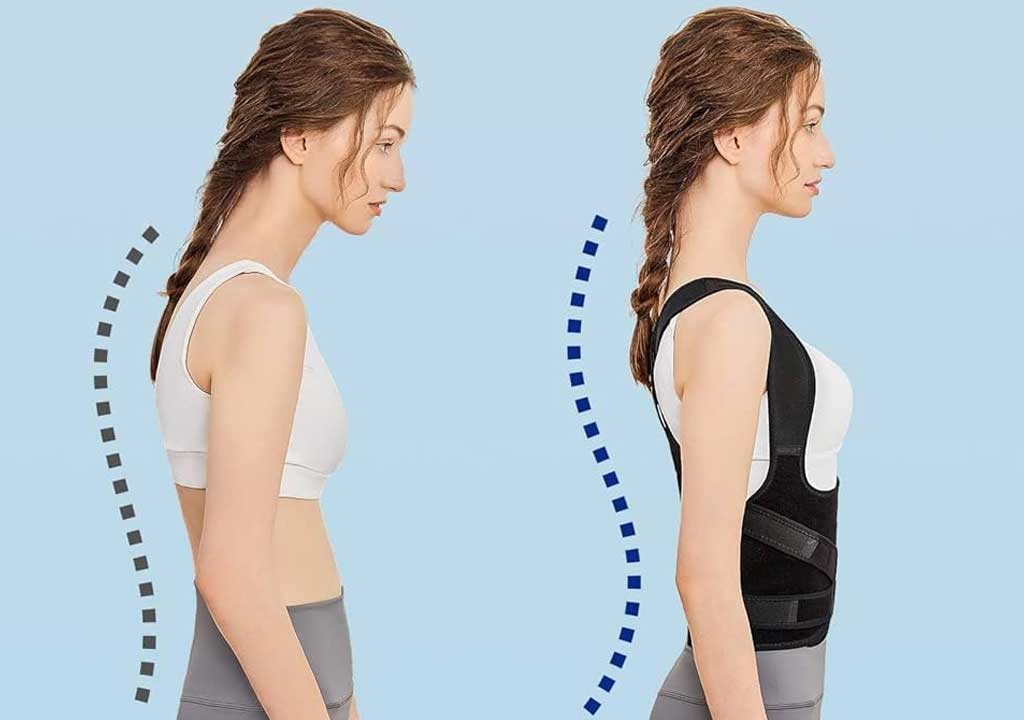
A posture corrector is a wearable device designed to help reinforce proper alignment of the spine and shoulders. Think of it as a reminder system: it nudges your body into a healthier position, especially during activities that tend to promote slouching, such as long hours at a desk, driving, or looking down at a phone. Posture correctors are not a substitute for movement or strengthening exercises; they're a tool to support posture as you train your muscles and habits.
There are several forms of posture correctors, including soft straps that pull the shoulders back, rigid or semi-rigid back braces, posture shirts or vests with built-in support, and lightweight collars or harnesses. The level of support ranges from barely perceptible to more noticeable. The key is choosing a type that matches your lifestyle, comfort level, and goals, and using it in a way that reinforces healthy behavior rather than creating dependency.
Types of posture correctors: what's on the market
Understanding the different categories can help you choose the right tool for you. Here are the common types, along with their typical use cases:
- Shoulder-back braces (soft or semi-rigid): These wrap around the upper back and chest, gently pulling the shoulders back to restore a more upright alignment. They're often used for short-term support during desk work or daily activities and are suitable for people who tolerate wearing a device around the upper torso.
- Posture shirts or vests: Shirts or vests with built-in padding or structural elements that encourage an upright posture. They're lightweight, breathable, and can be worn under clothing. They're discreet and convenient for people who want a low-profile option.
- Back braces with rigid supports: More substantial devices that provide firmer alignment cues and thoracic support. These are typically worn for shorter durations and under supervision if you're using them to address baseline postural issues or after injuries.
- Posture collars or lightweight harnesses: Lower-profile devices that focus on the upper spine and neck region. They can offer a subtle reminder to avoid forward head posture, especially during screen work or phone use.
- Active or smart posture devices: Advanced devices that may include sensors, feedback apps, or reminders (vibrations, beeps, or app notifications) to prompt you to adjust your posture. These are useful for people who want data and structured cues.
Choosing among these depends on your daily activities, comfort with wearing a device, and whether you want something discreet or more supportive. If you're unsure, you might start with a soft, lightweight option and see how your body responds before moving to more structured devices.
How to choose the right posture corrector
Selecting the right device involves a few practical considerations. Here's a quick checklist to guide your decision:
- Fit and sizing: A proper fit matters more than the style. Look for adjustable straps, stretch fabrics, and a size chart. If possible, try on different sizes to ensure you can breathe comfortably and move your arms freely.
- Comfort and skin health: Check for soft, breathable fabrics, moisture-wicking materials, and flat seams to minimize skin irritation. If you have sensitive skin, consider a liner or label-free option and avoid prolonged wear if redness or itching occurs.
- Level of support: For beginners, starting with a light, non-restrictive model is wise. If you have shoulder or back pain, or a known spinal condition, consult a clinician before using a more rigid device.
- Adjustability: Devices with adjustable straps and a modular design let you tailor the tension and positioning. You'll likely need to tweak fit as you wear it for longer periods.
- Durability and care: Consider how easy it is to wash, dry, and maintain the device. A device that's hard to clean or shows wear quickly will hinder long-term use.
- Cost and warranty: More expensive devices aren't always better for every person. Look at the warranty, return policy, and customer feedback to assess value and fit for your needs.
Before purchasing, read user reviews that mention comfort, durability, and real-world wear times. If you have a history of back pain or a known spinal condition (like scoliosis), it's especially important to discuss with a healthcare professional to ensure the device won't aggravate symptoms.
When to use a posture corrector-and when not to
Posture correctors can be a useful tool, but they're not appropriate for every situation. Here are sensible guidelines for use:
- Short-term relief and habit formation: Start with 15-30 minutes per day in the first week, gradually increasing as your body adapts. The goal is to remind your body of proper alignment, not to create a crutch.
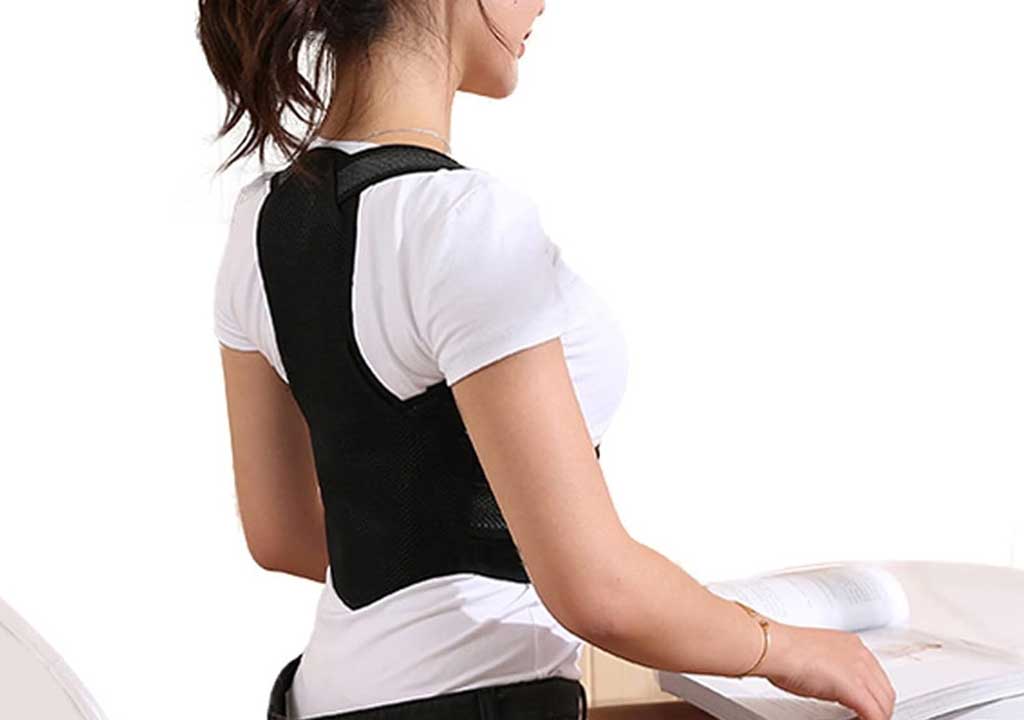
- Work and daily activities: If you sit for long periods, a posture corrector can help you maintain awareness during tasks like typing, driving, or reading. Remove it for activities that require full range of motion or intense physical work.
- Therapy and rehab contexts: In some rehab or physical therapy scenarios, a clinician might prescribe a specific posture aid as part of a broader program. Follow the professional's instructions precisely.
- Avoiding prolonged use or over-reliance: Wearing a device all day, every day, can reduce natural muscle engagement and lead to weaker postural muscles over time. The aim is to use it as a training tool rather than a permanent fixture.
- Avoid if you have certain conditions: If you have scoliosis, kyphosis, radiculopathy, or a history of spinal surgery, seek medical guidance before using a posture corrector. In some cases, device use can be detrimental without proper oversight.
Notice your body's response. If you experience numbness, tingling, increased pain, skin irritation, or worsening posture after use, discontinue and consult a clinician. Effective posture improvement requires a combination of devices, movement, and habit changes-no single tool fits all people.
How to wear a posture corrector correctly
Getting the most from a posture corrector involves proper wear and gradual adaptation. Here's a practical approach:
- Start with short sessions: Put it on for 10-15 minutes, during a desk task or a light activity. This lets your body acclimate without feeling restricted.
- Wear in a safe, supported environment: Choose a level surface and a stable chair. Avoid wearing while exercising intensely or doing activities with high risk of falling or impact.
- Adjust for comfort, not pain: The device should gently guide you into a better posture without forcing you into an uncomfortable position. If you feel pain, loosen the fit or remove it.
- Gradually increase duration: After a week, extend to 20-30 minutes, then to 1-2 hours across the day if you tolerate it well. Don't wear it through meals or if you're lying down.
- Pair with movement: Use the device as a reminder to engage your postural muscles through targeted exercises and stretches.
Remember: the best posture is dynamic. You'll want to alternate between devices, movement, and periods of rest so your muscles remain active and adaptable.
Everyday fixes to improve posture without constantly depending on a device
While posture correctors can help, everyday habits do most of the heavy lifting. Here are practical, easy-to-implement fixes you can weave into daily life:
- Ergonomic workstation setup: Adjust your chair height so your feet rest flat on the floor, knees at about 90 degrees, and hips slightly above the knees. Position your monitor at eye level about 20-30 inches away, so you don't tilt your head up or down. Keep keyboard and mouse close to prevent reaching.
- Active sitting and standing: Use a chair with lumbar support or add a small rolled towel at the small of your back. When standing, distribute weight evenly on both feet and avoid locking knees. Alternate between sitting and standing using a sit-stand desk if possible.
- Movement cadence: Set a timer to take a quick posture or mobility break every 30-45 minutes. Stand up, stretch, or walk for 1-2 minutes to reset alignment and relieve tension.
- Core and shoulder engagement: Strengthen the muscles that support posture with simple exercises a few times per week. A strong core and well-conditioned back and shoulder muscles reduce the amount of postural correction needed.
- Breathing and ribcage expansion: Practice diaphragmatic breathing to encourage a taller spine and open chest. Inhale deeply to feel the ribcage expand laterally, then exhale slowly while maintaining a tall posture.
- Phone and screen use posture: When using a phone, hold it at eye level to avoid forward head posture. If you must look down, keep the device close to eye level and bring your eyes down rather than your head bending forward.
- Desk-friendly stretches: Incorporate gentle chest openings and thoracic spine rotations into your day to counteract forward-slouched positions.
Consistency beats intensity. Small, sustainable adjustments accumulate into meaningful posture improvements over weeks and months.
Simple, effective at-home exercises to support better posture
Exercises help build the muscular foundation for better posture. Here are straightforward routines you can perform at home with minimal equipment. Aim for 2-3 sets of 8-15 reps for most movements, and hold stretches for 20-30 seconds when appropriate.
Scapular squeezes
Purpose: Strengthen the muscles that retract the shoulders and support thoracic extension.
How to:
1) Sit or stand tall with arms at your sides. 2) Squeeze your shoulder blades together as if you're pinching a pencil between them. 3) Hold for 3-5 seconds, then release. 4) Repeat for 8-15 reps.
Doorway chest stretch
Purpose: Open the chest and counteract tightness from forward-leaning posture.
How to:
1) Stand in a doorway with forearms on the doorframe at about shoulder height. 2) Step forward slowly to feel a gentle stretch across the chest and front shoulders. 3) Hold for 20-30 seconds. Repeat 2-3 times.
Thoracic extension over a foam roller
Purpose: Improve mobility in the mid-back (thoracic spine) to support upright posture.
How to:
1) Sit on the floor with a foam roller lengthwise behind you. 2) Lie back so the roller sits under your upper to mid-back. 3) Support your head with your hands and gently extend over the roller, then return to neutral. 4) Repeat for 8-12 reps, ensuring smooth, controlled movement.
Y-T-I-W scapular exercises
Purpose: Strengthen the shoulders and upper back to stabilize posture during daily tasks.
How to:
1) Lie face down or stand with a light resistance band. 2) Move your arms into Y, then T, then I, then W positions, focusing on squeezing your shoulder blades together. 3) Return to neutral and repeat for 8-12 reps per position.
Hip hinge and glute activation
Purpose: Support the spine and pelvis to reduce compensatory postural shifts.
How to:
1) Stand with feet hip-width apart, knees soft. 2) Hinge at the hips, keeping your back neutral, and push your hips back as you bend forward slightly. 3) Return to standing tall. 4) Add glute squeezes or light resistance bands for extra activation if desired.
Thoracic rotations
Purpose: Improve rotational mobility to accommodate daily movements and reduce stiffness in the mid-back.
How to:
1) Sit tall or stand with a light resistance band. 2) Cross arms over your chest and rotate your torso gently to one side, then the other. 3) Keep hips stable and breathe deeply. 4) Repeat 8-12 times per side.
As you progress, consider adding more advanced core and back exercises under guidance or once you've established a solid foundation. The aim is to support posture holistically, not to rely on a single device for all improvements.
Common mistakes and myths about posture correctors
Understanding what not to do helps prevent disappointment and harm. Here are some common issues and clarifications:
- Myth: A posture corrector fixes all postural problems on its own. Reality: It's a reminder tool, not a cure. Combine with movement and strengthening routines.
- Mistake: Wearing it excessively. Impact: Can weaken muscles or cause skin irritation and discomfort.
- Myth: If it feels tight, it must be doing good. Reality: If it's painful or numb, reduce the tension and consult a clinician if symptoms persist.
- Myth: You only need posture correctors to fix posture. Reality: Ergonomic changes, exercise, and mindful daily habits are essential components of lasting improvement.
- Mistake: Wearing it during every activity. Impact: Not all tasks require assistance, and some activities (like heavy lifting or certain workouts) may require unrestricted movement.
Maintenance, safety, and care
To get the most from any posture corrector, take good care of the device and monitor how your body responds over time:
- Clean regularly: Follow the manufacturer's washing instructions. Generally, use mild soap, rinse well, and air dry. Avoid high heat that can degrade materials.
- Inspect for wear: Look for stretched straps, frayed stitching, or weakened fasteners. Replace worn parts or the whole device as needed to prevent failure during use.
- Skin care: If you notice redness, rash, or irritation, give your skin a break and consider a barrier layer or a softer material. If irritation persists, discontinue use and consult a clinician.
- Storage: Store in a dry, cool place away from direct sunlight to prolong material integrity.
- Combination approach: Use posture correctors as part of a broader plan that includes ergonomics, movement, and targeted exercises. This approach reduces the risk of dependency and supports long-term improvements.
Frequently asked questions
Here are quick answers to common questions people have about posture correctors:
- Do posture correctors really work? They can help improve awareness and support use patterns, especially when combined with exercises and ergonomic changes. Results vary by person and commitment to a broader program.
- How long should I wear one? Start with short sessions, often 15-30 minutes, and gradually extend if comfortable. Do not wear it for the entire day unless advised by a clinician.
- Can kids use posture correctors? Some devices are designed for adolescents, but pediatric use should be guided by healthcare professionals to ensure safety and avoid relying too heavily on a device during development.
- Will wearing a posture corrector cause my muscles to weaken? If used excessively without strengthening exercises, there is a risk of reduced muscular engagement. Use it as a training aid, not a replacement for movement.
- What if I have chronic back pain? Seek medical advice. A clinician can assess your condition and tailor recommendations, ensuring the device is appropriate and used safely.
Creating a sustainable postural routine
To ensure long-term improvements, consider these practical steps to integrate posture care into your daily life:
- Set a realistic plan: Choose a few key habits to implement over the next 4-6 weeks, such as rechecking posture at 30-minute intervals, or performing a short 5-minute mobility routine in the morning and late afternoon.
- Track progress: Keep a simple log of wear time, how you felt after wear sessions, and any changes in pain or stiffness. Use this to adjust your approach.
- Pair device use with education: Learn about anatomy, posture cues, and safer movement patterns. Knowledge helps you apply the device more effectively and independently.
- Prioritize consistency over intensity: Regular, small improvements accumulate faster than sporadic, intense efforts. Aim for steady, manageable progress.
- Consult professionals as needed: If you have persistent pain, numbness, weakness, or a known spinal condition, involve a physical therapist or physician in designing your plan.
Putting it all together: a sample 4-week plan
Week 1: Orientation and baseline
- Choose one posture corrector and wear for 15-20 minutes daily, preferably during a desk task.
- Set up your workstation ergonomically and note any areas of tension.
Week 2: Habit integration
- Increase wear time to 30-40 minutes on workdays.
- Start with the scapular squeezes and doorway chest stretch in the morning or after lunch.
Week 3: Mobility and strength emphasis
- Add thoracic extensions over a foam roller every other day.
- Include 2-3 sets of Y-T-I-W exercises and hip hinge movements.
Week 4: Maintenance and independence
- Use the posture corrector during longer desk sessions or travel, but rely on movement and posture cues more than device dependency.
- Review progress, adjust fit as needed, and plan for ongoing maintenance with periodic re-evaluation.
Final thoughts: posture as a lifestyle, not a product
Posture correctors are tools-assistive devices that can help you establish awareness and support healthier alignment when used thoughtfully. The most enduring improvements come from a combination of device use, ergonomic optimization, consistent movement, and targeted exercises that strengthen the muscles supporting the spine and shoulders. By integrating these elements, you'll be more likely to maintain better posture long after you've stopped relying on a device.
Remember to listen to your body. If a device causes pain, discomfort, or numbness, discontinue use and seek professional guidance. If you're new to posture work, consider scheduling a brief assessment with a physical therapist or qualified clinician who can tailor recommendations to your unique needs and goals. With a clear plan, realistic expectations, and steady practice, you can move toward a posture that feels effortless, minimizes discomfort, and supports your daily activities with greater ease.
References and further reading
For those who want to dive deeper, consider exploring reputable sources on posture, ergonomics, and movement science. Look for clinician-authored guides, peer-reviewed articles, and established physical therapy resources that explain spine mechanics, muscular balance, and safe exercise progressions. Consulting healthcare professionals is always recommended when dealing with chronic pain or structural conditions.
A short recap
Posture correctors can provide helpful cues and support when used wisely. They're most effective when combined with ergonomic improvements, regular movement, and a targeted exercise routine that strengthens the muscles that support the spine and shoulders. Start with a comfortable, lightweight device; wear it in short increments; integrate simple desk adjustments; perform quick mobility and strengthening exercises; and gradually build a sustainable routine. With patience and consistency, you can achieve better posture and reduce the daily strain that leads to pain and fatigue.
Disclaimer
This article is for informational purposes only and is not medical advice. If you have a medical condition, persistent pain, or a history of spinal issues, consult a licensed healthcare professional for personalized guidance before using a posture corrector or beginning any new exercise program.
LIKED THIS ARTICLE? SHARE IT: