








Discreet and Durable: Travel-Friendly Posture Correctors That Work All Day

Discreet and Durable: Travel-Friendly Posture Correctors That Work All Day
Travel can be a fantastic way to widen your horizons, but it also puts your body to the test. Long flights, layovers, crowded trains, and hotel desks all conspire to throw your posture out of alignment. Between schlepping luggage and staying alert for connections, it's easy to slouch, hunch, or crane your neck forward to see a screen or map. The good news is that you don't have to sacrifice comfort for support. A well-made, travel-friendly posture corrector can be discreet enough to wear beneath clothing, durable enough to withstand daily use, and comfortable enough to wear all day-from airport security lines to late-night hotel work sessions. In this guide, you'll learn what to look for in travel-ready posture correctors, how to wear them effectively, and how to care for them so they stay discrete, durable, and dependable on the road.
Why a Posture Corrector on the Road Can Transform Your Day
Travel imposes a unique set of physical demands. You're frequently sitting in cramped seats, bending over phones and laptops, and standing in lines or boarding zones with one hip cocked to balance bags. This combination often results in rounded shoulders, a forward head posture, and a tense upper back or neck. Prolonged postural imbalances can contribute to chronic pain and fatigue, which are never welcome on a trip that's supposed to be about exploration and relaxation.
A posture corrector acts as a gentle, retraining tool. Instead of forcing your spine into a rigid position, it provides subtle feedback that reminds you to align your shoulders, lengthen your spine, and pull your chin in slightly. Over time, these cues can help you maintain better posture even when the device isn't worn. For travelers, the promise is simple: less pain after a long day of sightseeing, fewer headaches from neck strain, and a more comfortable experience during red-eye flights or overnight layovers.
Of course, the right device is essential. A travel-friendly corrector should feel like a support system that disappears under clothes, rather than a constant reminder of a medical device. It should also be dependable-able to remain comfortable and intact through hours of wear, washing cycles, and occasional gentle snagging in a hotel room or suitcase corner.
What Makes a Posture Corrector Travel-Ready? Key Features
When you're evaluating posture correctors for travel, several criteria matter more than others. Here's what to prioritize to ensure a discreet, durable, all-day solution.
Discreet design
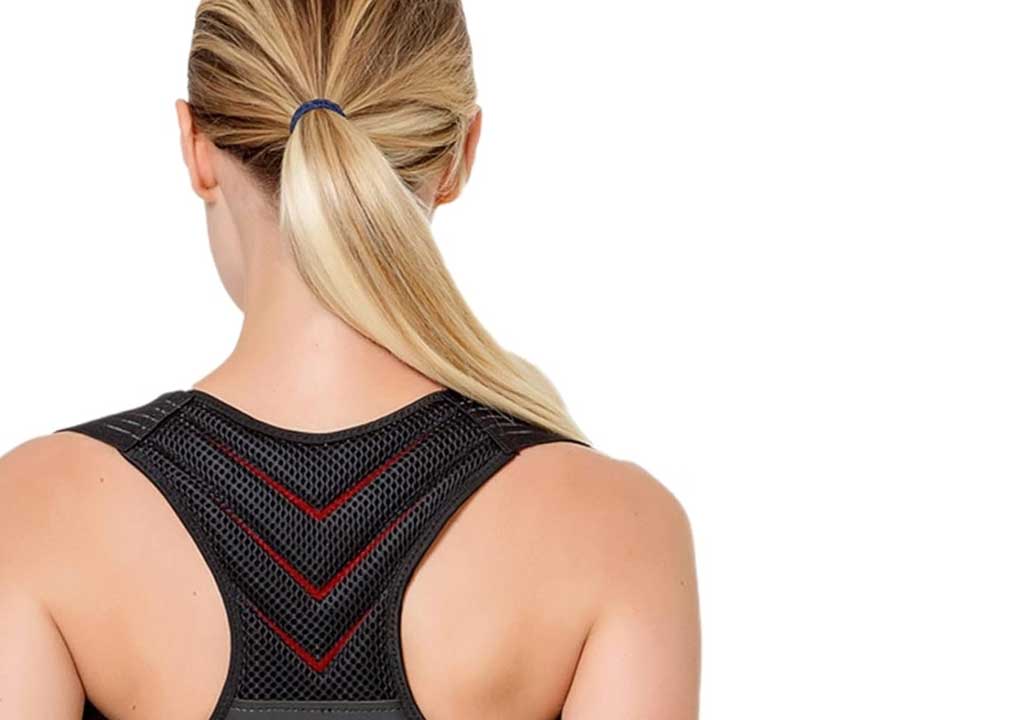
Look for a low-profile silhouette that sits close to your body and doesn't create obvious bulk under shirts. Wide, padded straps can help distribute pressure evenly, but you want straps that won't rub against you or snag on clothing. A front-closure design that's adjustable helps you achieve a snug fit without excessive tightening. Some models use smooth, matte fabrics in neutral colors (black, charcoal, nude) to fade into your wardrobe and avoid drawing attention in public spaces.
Durable construction
Travel means jam-packed bags, airport x-rays, and occasional washing in hotel sinks. Choose a corrector constructed with reinforced seams, high-tension clips or buckles, and sturdy stitching. Materials should stand up to daily wear and multiple washings without losing shape or elasticity. If you're often packing in a carry-on, a lighter frame with reliable stitching can be more resilient than a heavier, bulkier brace that takes up space and costs more to maintain.
Comfort for all-day wear
Breathable fabrics and well-padded contact points matter-especially if you'll wear the device for many hours. Moisture-wicking mesh panels, perforated neoprene, or soft cotton blends help prevent overheating and skin irritation. Adjustable shoulder straps and a microfiber or fabric-lined back panel can reduce rubbing and chafing, making it easier to tolerate wearing the device for long stretches. You'll want a design that allows you to take short breaks without fully removing the device, so the fit should remain stable during adjustments.
Adjustability
Travel means varied outfits and different seating scenarios. A good travel posture corrector should accommodate a wide range of body types and clothing choices. Features to look for include front closures or adjustable hook-and-loop fasteners, dual-strap systems, and enough length to fit across your torso without constricting chest or rib movement. Some devices offer interchangeable parts or modular components that can be swapped out if you want a lighter version for certain days.
Fit range and inclusivity
In addition to sizing options, seek designs with flexible fits that work for petite, tall, or broader frames. A broader size range helps ensure the device stays discreet and effective for a larger portion of travelers, reducing the need to own multiple devices. If you're unsure about sizing, choose models with adjustable buckle locks and forgiving elastic bands that can accommodate a few inches of variation without becoming loose or irritating.
Care and careability
Hotel rooms aren't exactly clinical laundries, so easy cleaning is essential. Look for materials that dry quickly and are machine-wash compatible or simple to hand-w wash. Quick-dry fabrics and odor-resistant treatments can be big advantages for frequent travelers who need to refresh a device between longer trips. Be sure to check care labels before you buy and plan for a quick wash-and-air-dry routine in your hotel room or at the airport lounge sink.
Materials and Design: What to Look For
Materials influence comfort, durability, and how discreet a device remains under clothing. Here's a breakdown of common fabrics and design elements you'll encounter, and how they affect travel usability.
Fibers and textiles
Neoprene offers structure and warmth, which can be beneficial for people seeking stable support, but it can feel stiff and may trap heat. If you opt for neoprene, look for versions with mesh panels or perforations that improve airflow. Nylon and spandex blends provide stretch, durability, and a close fit that won't shift much during movement. For those with sensitive skin, a cotton or bamboo blend lining can reduce irritation and offer a softer touch against the skin.
Breathability and moisture management
Mesh panels, vented backplates, and moisture-wicking linings can dramatically improve comfort on long travel days. Breathable designs help you stay cooler when you're boarding a hot red-eye or waiting in security lines. If you're compressing the device into a carry-on, breathable materials also help prevent odors from lingering after a long trip.
Padding and contact surfaces
Quality padding on the shoulders and chest contact areas can prevent pressure points. Look for soft foam or memory-foam-like pads, and ensure they won't flatten or bunch up with wear. The goal is consistent support, not quick relief that fades after an hour.
Hardware and maintenance
Durable, corrosion-resistant buckles and adjustable clasps are essential. Plastic buckles should feel sturdy, and metal components should be coated to resist rust during damp travel environments. Removable, washable components can simplify cleaning and extend the device's life.
Best Travel Scenarios: All-Day Wear in Airports, Planes, and Hotels
Different travel environments create different demands on a posture corrector. Here are common scenarios and how to adapt your device for each without compromising discreetness or durability.
Airport security checkpoints
When you're going through security, you may need to remove layers, including outer jackets. A discreet, front-closure design makes it easier to slip the device off and on without needing to fully disassemble your clothing. Choose a lighter-weight model you can wear under a shirt or thin sweater so you feel supported without drawing attention.
Air travel and cabin pressure
On a plane, space is at a premium. A slim profile helps keep you comfortable in a cramped seat while preventing strap lines from pressing into your torso. A breathable fabric that stays comfortable under low cabin humidity reduces the risk of dryness and skin irritation, which can become uncomfortable during long flights.
Hybrid transit: trains, buses, and walking tours
These scenarios require more movement. A travel-ready corrector should allow a natural range of motion without loosening or shifting. The best designs balance gentle support with flexibility, so you can lean into a window seat, walk to a museum, or carry a backpack without constantly readjusting your posture corrector.
Hotel workdays and desk time
In hotel rooms or coworking spaces, posture correction often means extended desk time. A thinner, breathable model stays comfortable under shirts while you draft emails or map routes. For extended sessions, consider a version with adjustable tension so you can dial in a lighter setting when focusing and a firmer setting during breaks when you stretch.
Real-World Picks: Travel-Friendly Posture Correctors That Work All Day
Rather than naming specific brands, here's a practical categorization of travel-ready options you'll likely encounter. Each category emphasizes discreetness, durability, and all-day usability.
Low-profile shoulder-and-chest braces
These models fit close to the body with narrow straps and front closures. They're ideal under a button-down shirt or light sweater, remaining nearly invisible in most social settings. Look for models with memory-foam shoulder padding and a back panel that distributes pressure across a wide area to prevent pinching.
Back-support vests with adjustable panels
Vests provide a wider contact surface and can be comfortable for longer wear. They're especially useful if you want more even distribution across the upper back and thoracic region. Ensure the vest has adjustable straps and a breathable liner to prevent overheating on warmer travel days.
Posture-defining sports bracers
These are lighter and more flexible, designed for travelers who need quick support during active sightseeing or walking tours. They're typically lighter on the chest and rely on elastic bands that allow full range of motion while guiding the shoulders back.
Modular systems with detachable components
Some travel-friendly options use modular designs that let you swap components to create a lighter, less obtrusive configuration. This is handy if you're flying and want to minimize luggage weight or if you're entering a meeting where a less conspicuous silhouette is preferred.
How to Wear a Posture Corrector Comfortably While Traveling
Even the best device can feel awkward if you don't wear it correctly. Here are practical steps to optimize comfort and effectiveness for long travel days.
Start gradually
If you're new to posture correctors, don't wear one for an entire day on day one. Start with 15-30 minutes and gradually increase to 2-4 hours, then longer as your body adapts. This approach helps your muscles adjust without becoming sore or overly reliant on the device.
Find your fit
When trying on a corrector, adjust the front closures first to achieve a snug but not restrictive fit. The back panel should sit flat against your mid-back, with straps that don't dig into your armpits or shoulders. You should be able to slide a finger under the strap but not more than one. If you feel pinching or numbness, loosen slightly.
Wear it beneath clothing, strategically
Choose fabrics that drape well and won't compress your torso in an unflattering way. Under a thin cotton shirt, a low-profile corrector can be nearly invisible. If you're wearing a layer underneath (such as a tank or tee), ensure it won't ride up or bunch under the straps. In cooler climates or during evenings, you can layer a light cardigan or jacket over the device for extra discretion.
Move, don't stiffen
The goal is to encourage upright posture rather than immobilize you. Practice gentle shoulder retractions and a neutral neck position while wearing the device. Use it as a cue to pause, take a breath, and reset your posture every time you check your phone or open a bag. Short, frequent adjustments beat long slumps.
Take breaks and loosen gradually
During long transit days or work sessions, remove the device for ten minutes every few hours to stretch, rotate your shoulders, and relax your chest muscles. This helps prevent muscle fatigue and keeps the corrector from becoming overbearing. Store it in your carry-on so you can reapply as needed.
Care and Longevity: Cleaning and Maintenance on the Road
Durability is only as good as how you maintain the device. Here are pragmatic care tips that help ensure your posture corrector stays discreet and effective trip after trip.
Know the care label
Always check the manufacturer's care instructions. Some materials tolerate machine washing on a delicate cycle, while others require hand washing. When in doubt, wash by hand with mild detergent and lukewarm water, then air dry away from direct heat.
Clean high-contact areas regularly
Underarm contact zones and the front closure receive more sweat and oils. Wipe these areas with a damp cloth or a gentle fabric cleaner between wears. If the fabric has a removable liner, consider taking it out to wash separately for a deeper clean.
Drying and storage
Never tumble-dry. Air-dry flat on a clean surface or over a hanger to keep the shape intact. If you're traveling, a quick air-dry in the hotel bathroom or a sunlit windowsill can be enough between long-haul flights. When storing, keep it in a garment bag or its own pocket to prevent snagging on zippers or luggage wheels.
Inspect hardware and seams
Before each trip, do a quick inspection for frayed threads, loose buckles, or stretched elastic. Address any minor wear with a quick repair-threading a needle, reseating a buckle, or replacing a strap segment can extend the life of the device significantly.
Final Considerations: Are Posture Correctors Right for You?
Posture correctors aren't a one-size-fits-all solution. They work best as a training aid in combination with mindful movement, regular stretching, and ergonomic considerations for your travel routine. If you have a history of shoulder or spine injuries, or you experience persistent pain, consult a healthcare professional before relying on a device for extended wear. A doctor or physical therapist can help tailor a plan that includes targeted exercises, mobility routines, and safe use guidelines tailored to your condition and goals.
That said, for many travelers, a discreet, durable, travel-friendly posture corrector can be a practical ally. It can help you maintain a healthier alignment during long journeys, reduce mid-back and neck strain, and support a more comfortable travel experience. The key is choosing a device that feels subtle, fits well, and remains comfortable across a range of outfits and environments. With the right approach, you can stay upright, travel lighter on your joints, and arrive at your destination with a little more energy and confidence.
Quick Checklist for Your Next Trip
Before you pack, run through this concise checklist to ensure you have a travel-ready posture corrector that won't ruin your trip or your wardrobe:
- Low-profile silhouette that fits under most everyday clothing
- Durable stitching, robust fasteners, and a back panel that distributes pressure
- Breathable materials with moisture-wicking properties
- Fully adjustable fit that accommodates a range of body types
- Easy care: machine-washable or quick hand-wash with fast-dry time
- Compact and lightweight for easy packing
- Appropriate sizing options (S-XXL or similar)
- Clear wearing instructions and a comfortable breaking-in period
Closing Thoughts
Travel is a journey of both exploration and self-care. A discreet, durable posture corrector can help you maintain a healthier spine posture without sacrificing comfort or style. By prioritizing discreetness, durability, and all-day comfort, you can choose a device that supports you from security lines to sightseeing, from hotel work to evening strolls. Remember to start slowly, fit carefully, and care for your device with simple cleaning routines. With thoughtful selection and mindful use, a travel-friendly posture corrector can become an everyday travel companion-one that helps you arrive at each destination feeling more capable, balanced, and ready to take on whatever the day holds.
LIKED THIS ARTICLE? SHARE IT: