









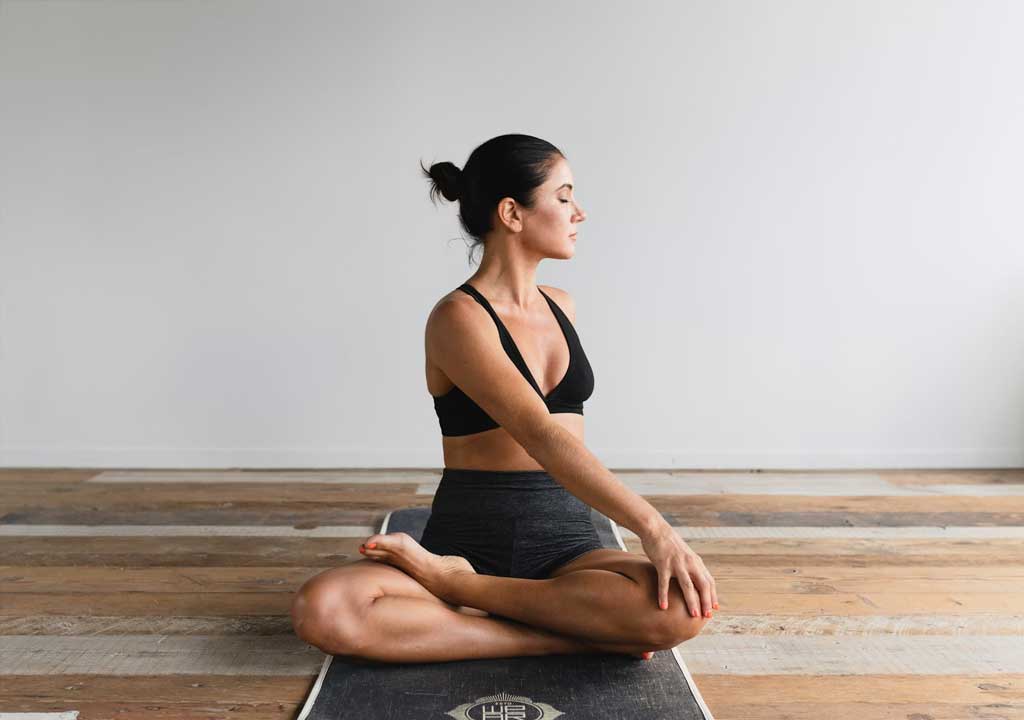


Morning Rituals: Simple Movements to Wake Up Your Spine

Morning Rituals: Simple Movements to Wake Up Your Spine
There's something magical about moving your body first thing in the morning. The spine, as the central axis of your movement, deserves a little wake-up call before the day's routines pull you into forward folds, screens, and lengthy commutes. Simple, mindful movements can loosen the joints, energize the nervous system, and set a tune of ease for your posture and breath. This guide offers a gentle, approachable routine you can do in as little as 8-12 minutes to wake up the spine, improve mobility, and cultivate a calmer, more alert start to your day. You don't need fancy equipment-just a mat or a comfortable floor surface, a little space, and a willingness to move with breath and curiosity.
Before we begin, a quick note: if you have a history of back pain, disc issues, or a recent injury, consult a healthcare professional before starting a new movement routine. Move within a comfortable range, avoid forcing ranges of motion, and listen to your body. The aim is to nourish your spine and nervous system, not to push through pain or strain.
Why Spine Mobility Matters in the Morning
Your spine is more than just a column of bones. It's a complex network of joints, muscles, ligaments, nerves, and intervertebral discs designed to bend, twist, and flex through countless daily tasks. In the morning, several factors conspire to make the spine feel stiff: sleep positions can compress facets of the spine, fluids in the discs settle, and the body's muscles creep toward a more contracted pattern as you lay still through the night. Gentle, controlled movements in the morning can rehydrate the discs, restore synovial fluid to the joints, and re-engage the brain's proprioceptive map-the sense of where your body is in space. The result is less stiffness, more range of motion, and a sense of readiness to move through your day with more ease.
Mobility is not about chasing extreme ranges of motion; it's about creating sustainable, pain-free movement that supports postural alignment and daily activity. A waking spine supports better breathing, reduces the likelihood of compensatory patterns (like hunching over a phone or keyboard), and can even help reduce morning headaches and low-back discomfort. By starting with the spine, you prime your entire system for more mindful, intentional movement as you greet the day.
A Gentle 10-Minute Morning Spine Wake-Up
This routine blends concepts from yoga, functional movement, and spine-focused mobilization. It emphasizes breath, gradual mobilization, and a sense of ease. Each segment is designed to flow into the next, so you experience a cohesive awakening rather than a grab-bag of stretches. If you're new to some of the movements, start with smaller ranges and gradually deepen as your body allows. If anything feels off or painful, ease back and skip that segment for today.
-
1. Reset with Breath and Supine Pelvic Tilts (2 minutes)
Lie on your back with knees bent and feet flat on the floor, hip-width apart. Let your arms rest softly by your sides, palms facing up. Close your eyes or soften your gaze. Begin with diaphragmatic breathing-inhale through the nose, allowing the belly and then the chest to rise. Exhale slowly, releasing tension with the breath.
Inhale to a comfortable capacity, then exhale to soften the lower back toward the mat. Gently press your lower back into the floor as you tilt the pelvis by pulling the pubic bone toward the navel and then releasing to a neutral position. This is a subtle movement, but it sets a foundation for spinal awareness. Repeat for roughly 1-2 minutes, syncing each tilt with the breath: inhale to prepare, exhale to tuck and release.
-
2. Cat-Cow Flow (2 minutes)
Transition to all fours, hands under shoulders and knees under hips. Maintain a neutral spine for the starting position. Inhale as you drop the belly toward the mat and lift the gaze and tailbone (cow pose). Exhale as you round the spine upward, tucking the chin and pelvis (cat pose). Move with your breath-smooth, gentle, and unhurried.
The goal is spinal flexion and extension in a controlled range that respects your own mobility. If your wrists feel sensitive, perform the movement with fists or on forearms. Avoid collapsing into your shoulders; instead, think of lengthening the spine in both directions. After about a minute, you can add a slight reach: on the inhale, reach the right arm forward and the left leg back for a moment, then switch. This enhances coordination and wakes the thoracic spine.
-
3. Thoracic Windmill Rotations (1-2 minutes)
Still on the floor, bring your right hand behind your head, with the elbow pointing toward the ceiling. Open the right elbow toward the ceiling as you rotate the thoracic spine, allowing the gaze to follow the hand. Exhale to bring the elbow down toward your opposite knee and then re-open as you inhale. This slow windmill motion targets the mid-to-upper back, where a lot of stiffening accumulates from prolonged desk work and screen time.
Repeat 6-8 times per side, paying attention to the rotation coming from the thoracic region rather than forcing the neck or lower back. This movement cultivates rotational mobility in the spine, which supports safer twisting later in the day and improves overall spinal health.
-
4. Supine Spinal Twist (1 minute per side)
Return to your back with knees bent and feet flat. Let the knees fall gently to the right as you extend the arms into a T shape and turn your head to the left (a simple supine twist). Keep the shoulders grounded and avoid forcing the knees beyond their comfortable range. Inhale to lengthen the spine, exhale to release a little deeper into the twist if space allows, while maintaining a neutral pelvis. Hold for a breath or two, then switch sides.
Twisting here helps mobilize the thoracic spine and hips, two areas that often stiffen when we sit or slouch during daily routines. If your neck feels tense, keep the head aligned or place a pillow under your head for support.
-
5. Seated Side Bend and Upper-Back Opening (2 minutes)
Sit tall on the mat with legs crossed or extended in front, whichever is more comfortable. Place one hand on the opposite knee and reach the other arm overhead, leaning gently to the side to feel a stretch along the entire left side of the torso and into the upper back. Exhale as you deepen the stretch a touch, then switch sides.
This movement invites lateral flexion of the spine and opens the intercostal spaces between the ribs, which can contribute to improved breathing. Keep the spine elongated and avoid collapsing into the lower back; if the hips feel tight, sit on a folded blanket or cushion to elevate the hips and maintain a stable base.
-
6. Thread the Needle (1-2 minutes)
Come back to all fours. On an exhale, thread your right arm under the left, allowing the shoulder and temple to rest on the mat. Let the left hand extend forward or rest on the back of the head for support. Breathe deeply into the left side of the chest and the upper back. Return to the starting position and repeat on the other side.
Thread the Needle targets the thoracic spine and shoulder girdle-areas that commonly accumulate stiffness from daily computer work. Move at a pace that feels comfortable and safe, avoiding a forced twist in the lower back. If you have shoulder concerns, keep the range smaller or perform the movement with a towel to reduce any strain.
-
7. Child's Pose with a Gentle Spine Lengthening (1 minute)
From all fours, bring your hips back toward your heels, lowering the chest toward the thighs. Walk the hands forward and soften the forehead to rest on the mat. On an inhale, imagine lengthening the spine from tailbone to crown; on the exhale, let the belly soften toward the thighs, feeling a gentle stretch along the back. If it feels comfortable, walk the hands slightly to the left or right to explore a little diagonal spine lengthening.
Child's Pose offers a passive stretch for the spine and hips, a moment of rest between more active movements, and a cue to breathe toward the back of the body. It's a nice way to finish the mobility portion before coming to a standing position.
-
8. Standing/Seated Gentle Spinal Rolls (1-2 minutes)
Stand or sit tall with feet hip-width apart. Inhale as you reach the crown up, lengthening the spine; exhale as you slowly roll down vertebra by vertebra, the head and shoulders last. Allow the arms to hang or rest on the shins. Inhale to rise with control, stacking the spine one vertebra at a time. Focus on the mindful circulation of blood and energy up and down the spine rather than speed.
This movement helps re-educate the spine about upright alignment and introduces a light, dynamic loading that can wake the body gently without jarring it awake. If you prefer, perform this seated on a chair, which can be gentler for some backs and knees.
-
9. Gentle Hip Hinge to Standing (1 minute)
Finish the routine by a soft hip hinge movement: stand with feet hip-width apart, soften the knees, and hinge forward from the hips as you keep the back long and the chest open. Let the arms hang toward the ground or place hands on your shins. Inhale to lengthen the spine; exhale to rise back to standing, stacking the vertebrae one at a time. This movement integrates the spine with the pelvis and hamstrings and helps you transition smoothly from floor to standing.
With the routine complete, take a moment to stand tall, nodding gently to the head, and notice how the spine feels. You may notice your breath deeper, your shoulders lighter, and a sense of steadiness in your posture. If some segments felt especially accessible, consider repeating them on days when you're stiff or tired. On days when you're feeling more energetic, you can add a few rounds of sun salutations or a short gentle flow that emphasizes spinal extension and rotation. The key is consistency and listening to your body, not perfection.
Tips for a Safe and Effective Spine Wake-Up
To maximize benefits and minimize risk, keep these guidelines in mind as you practice:
- Move with breath. Use your breath as your guide. Inhale to lengthen and expand, exhale to soften and release. Don't hold your breath, and never push into pain.
- Work within your neutral spine. A neutral spine is a natural, relaxed alignment that protects the back. For many people, this is a slight S-curve with the ears over the shoulders, shoulders over hips. If you're unsure, a chair or wall can help you gauge alignment.
- Keep the range gentle. Morning stiffness is common. Start with small ranges and gradually broaden as your spine warms up. If a movement tugs at the low back or neck, ease back or skip it for today.
- Engage mindfulness. Rather than rushing through the routine, treat it as a moment of personal care. Notice the sensations in your back, the rhythm of your breath, and the sense of presence as you move.
- Hydration and warmth. A glass of water before moving can help, and a warm local environment can ease stiffness. If you're in a cold room, consider a quick light robe on your shoulders or a light sweater until you're warm.
- Consistency beats intensity. A short, daily practice will yield better long-term benefits than occasional longer sessions. Even 8-12 minutes daily can support mobility and reduce morning stiffness over time.
- Special considerations. If you have a history of disc issues, scoliosis, osteoporosis, or pregnancy, adjust movements accordingly and discuss any new routine with your healthcare provider. Some people benefit from more supported or seated variations rather than full-prone or twisting positions.
Beyond the Mat: Quick Spine Wake-Ups During the Day
The spine loves movement, but life doesn't always allow for a long morning routine. Here are a few simple ways to keep your spine engaged throughout the day without stepping away from work or family:
- Short micro-breaks. Every hour, stand up, roll the shoulders, and do a couple of gentle spinal twists or a seated side bend for 20-30 seconds. This helps counteract the effects of prolonged sitting.
- Desk-friendly twists. Sit tall, place one hand on the chair back, and twist gently to the opposite side, keeping the spine elongated. Breathe into the stretch and return to center slowly.
- Breath-driven resets. Pause and take 5 deep breaths in a tall posture. Visualize the breath traveling up and down the spine to refresh and rehydrate the spinal tissues at a micro level.
- Gentle hip-hinge reminders. Stand with a soft bend in the knees and hinge from the hips to reach toward the floor. This helps remind the body to move through the torso and hips with coordinated spinal alignment.
Incorporating little spine wake-ups into your day can help sustain mobility, reduce stiffness, and keep you connected to your body's needs. Even a few moments here and there add up over weeks and months, contributing to better posture, less discomfort, and a more resilient nervous system.
Variations and Modifications for Different Bodies
People come with a range of experiences, bodies, and levels of mobility. The following considerations can help you tailor the routine to fit your needs:
- For beginners. Focus on diaphragmatic breathing and gentle ranges of motion. It's perfectly fine to do fewer rounds and stay with the less challenging variations (for example, more time in the supine positions and fewer twists).
- For tighter hips or knees. Sit on a folded blanket for extra height, or perform hinge movements with a chair nearby for support. You can also replace some floor-based segments with seated equivalents to reduce load on the joints.
- For back sensitivity. Keep movements small, slow, and controlled. If any segment triggers pain, skip it for that day and revisit it when your back feels more comfortable. A towel under the neck or knees can provide gentle support as needed.
- For pregnant individuals. Avoid deep twists or intense forward folds. Modify movements to maintain comfort and safety, keeping the spine lengthened and avoiding any strain on the lower back. Chair or wall-supported variations can be especially helpful.
Listening to your body is the most important instruction of all. A routine that respects your current capabilities today will build resilience tomorrow. The spine thrives on consistent, mindful movement more than on aggressive stretching or forced ranges of motion.
Frequently Asked Questions
Here are answers to common questions people have about waking up the spine and starting a morning mobility practice:
Q: Do I need to do all these movements every morning?
A: Not necessarily. If you're pressed for time, pick 3-5 movements that feel best on a given day and focus on those. The important part is showing up with intention and breath. Over time, you'll discover which segments most benefit your back and posture.
Q: Can I do this routine if I have scoliosis?
A: Yes, but approach with gentleness. Respect your spinal curves and avoid forcing twists beyond what is comfortable. Use seated or half-kia forms if needed and consult a clinician if you have concerns about specific curves.
Q: How often should I practice morning spine wake-ups?
A: Most people benefit from daily practice, especially during periods of stiffness or desk-bound work. Even a few minutes most mornings can have cumulative benefits. You can also use this routine as a reset after long travel or a sedentary day.
Q: When should I progress to more advanced movements?
A: Progress gradually. When you consistently experience no pain and your mobility feels easier, you can add gentle variations like deeper twists or longer holds. Always prioritize form, breath, and alignment over depth or intensity.
Conclusion: Start Small, Move Kindly, Wake Your Spine
Morning rituals don't have to be elaborate to be effective. A few well-chosen movements, done with breath and attention, can transform the experience of waking up. By waking the spine first, you set a foundation for the day-one that supports better posture, reduces stiffness, and invites a more mindful relationship with your body. The spine is the axis of your movement, and giving it a gentle, consistent wake-up call helps you carry energy and ease into all your daily activities.
If you try this routine, consider commenting below with what worked for you, what you found challenging, and which movements you'd like to see expanded into a longer routine. Your feedback can help tailor this guide to better fit real mornings and real bodies. May your spine wake with a quiet strength, your breath stay steady, and your day begin with clarity and ease.
LIKED THIS ARTICLE? SHARE IT: