






Travel Light, Stand Tall: The Best On-the-Go Posture Correctors

Travel Light, Stand Tall: The Best On-the-Go Posture Correctors
Traveling is a wonderful way to explore the world, but it can also punish your spine. Long flights, cramped trains, bus seating, and the constant pull of baggage can leave you slouched, stiff, and tired before you reach your destination. The good news is that there are practical, lightweight tools designed specifically for life on the move: posture correctors that won't weigh you down or cramp your style. In this guide, you'll find a comprehensive look at the best on-the-go posture correctors, how to choose one that fits your body and travel habits, and how to use them to stay tall, comfortable, and energized on the road.
Why posture matters when you travel
When you travel, you're often sitting in close, artificial positions for extended periods. The pressure points shift from your hips to your lower back, and your shoulders roll forward as you reach for a bag or clutch a seatbelt. Over days or weeks of travel, these micro-postural habits can add up, leading to neck pain, upper back strain, headaches, and fatigue. Even if you're generally healthy, poor posture during travel can magnify jet lag, reduce breathing efficiency, and sap your energy for sightseeing or work.
On the other hand, a conscious, sustainable posture-standing tall with a neutral spine, relaxed shoulders, and an engaged core-can help you breathe more deeply, feel more energized, and reduce the risk of muscular imbalances. The challenge is to find posture tools that are easy to carry, quick to use, and discreet enough to wear in a variety of settings-from an airport lounge to a museum cafe. That's where on-the-go posture correctors come in. They're designed to be compact, adjustable, and lightweight, so you can maintain your posture without adding bulk or complexity to your travel routine.
What to look for in an on-the-go posture corrector
Not all posture aids are created equal, especially when you're choosing something for travel. Here are the key features to consider so you get a device that actually improves posture without becoming a burden during transit.
Look for models that weigh only a few ounces and fold or roll flat for packing. A bulky brace or rigid frame can make seating and cabin storage uncomfortable. - Adjustability: Your torso length, shoulder width, and garment layering vary from trip to trip. A good on-the-go corrector should offer adjustable strap lengths and ergonomic positioning so you don't have to contort yourself to make it fit.
- Breathability and fabrics: Travel often means warmer climates or long days with limited opportunities to freshen up. Choose breathable fabrics, moisture-wicking materials, and soft edges that won't irritate skin or clothing.
- Discreetness: If you're wearing it under a shirt or blazer, you'll want something low-profile and comfortable enough to wear throughout the day. Some devices are designed to be worn under clothing, while others are more visible at the shoulders.
- Comfort vs. support balance: A posture corrector should support your spine and upper back without pinching or restricting movement. The best picks offer gentle, continuous cues rather than a rigid, all-day constraint.
- Ease of use: Simple on/off or quick adjustment mechanisms are ideal when you're switching seats, boarding, or going through security checks.
- Maintenance and durability: Since you'll carry it through airports, trains, and busy streets, the item should withstand occasional bends, tightenings, and cleanings without losing its shape or elasticity.
Types of on-the-go posture correctors
There are several design families, each with its own strengths and travel-friendly quirks. Here's a quick taxonomy to help you decide which type might suit your itinerary and preferences.
Clip-on back braces
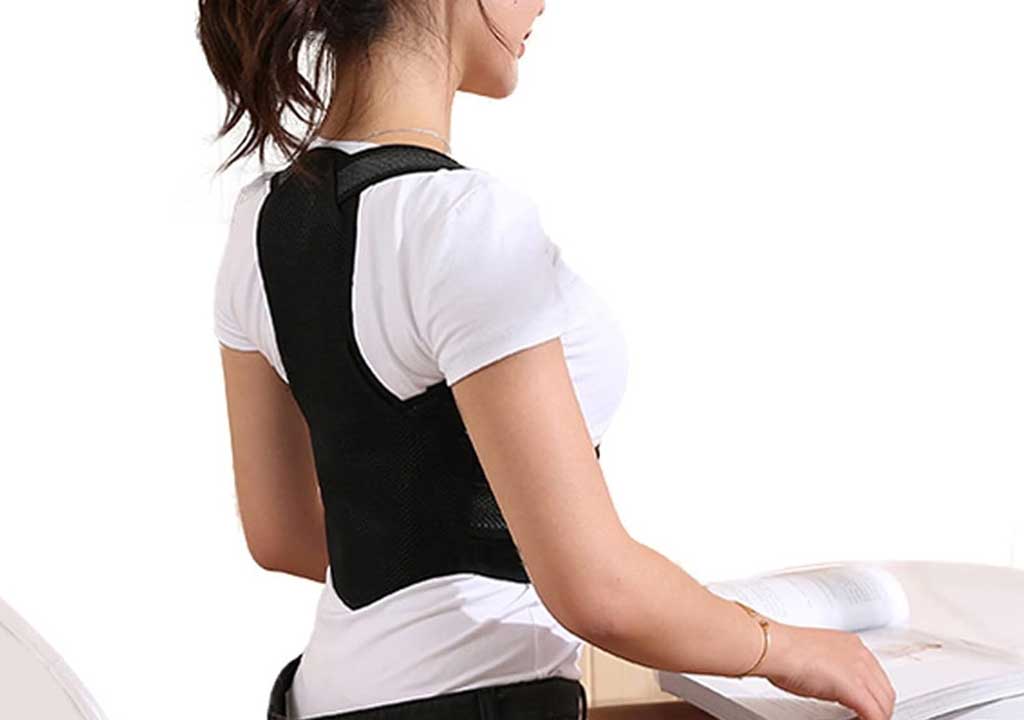
These are lightweight, strap-based devices that wrap around your upper back and shoulders, typically using adjustable straps that pull your shoulder blades gently toward a retracted position. They're known for a straightforward fit, minimal bulk, and quick adjustments. For travel, clip-on back braces can be discreet under light jackets and comfortable during long sits. The downside is that some models can feel constraining if adjusted too tightly, and they may not suit every torso length or shoulder width. If you choose this type, prioritize models with soft edges, adjustable tension, and breathable materials.
Shoulder-strap posture helpers
These are often a single piece with straps that go over the shoulders and across the upper back, sometimes with a waistband or chest strap for extra stability. They tend to be easier to adjust on the go and can provide a visible cue to correct alignment. They're popular among travelers who want a minimal, unobtrusive device that's simple to put on in a hotel room or airport lounge. The risk is that some people find shoulder-strap devices restricting in hot climates or during periods of heavier activity, so look for models that allow easy loosening and don't press uncomfortably against the neck or armpits.
Posture corrector shirts
A more integrated option, posture corrector shirts combine a breathable fabric with built-in supportive panels at the upper back and shoulders. They're essentially a compression or snug-fit shirt designed to encourage a healthier posture. On the go, they're excellent for layering under travel attire and can double as an undershirt or base layer. They're typically more comfortable during long hauls because they don't rely on external straps that might shift during movement. The trade-off is price and fit-these shirts may require accurate sizing and can feel snug for those who prefer looser apparel.
Wearable tech and biofeedback devices
Some travelers prefer a tech-forward approach: small devices that attach to the torso or can be worn as a discreet band. These devices use vibrations or gentle feedback to remind you to straighten your spine and roll your shoulders back. For those who like real-time cues, wearables can be highly motivating. They're also incredibly portable and can pair with smartphone apps for progress tracking. The caveat is that some users report battery maintenance and occasional app glitches. If you're a data-driven traveler who loves gadgets, a wearable tech option can be a compelling choice.
All-in-one travel posters and hybrid options
Finally, there are hybrid products that blend elements of the types above, such as light braces with removable straps, or convertible garments that can function as both apparel and posture aid. These are often designed with travelers in mind, allowing you to customize how you wear them depending on the day's schedule, climate, and clothing choices.
Materials, fit, and portability: turning travel into an ergonomic win
Travel demands a careful balance between support and practicality. The best on-the-go posture correctors are built with materials that stay comfortable under layers, wick moisture, and resist wrinkles so they don't ruin your outfit the moment you sit down on a plane. Here are the material considerations that actually matter when you're crossing time zones with a suitcase in tow.
Look for mesh panels, moisture-wicking blends, or soft cotton-nylon mixes that keep you cool even in crowded airports. - Elasticity and grip: Elastic bands should offer gentle resistance without digging into skin. A mix of soft velcro closures and adjustable sliders can help you tailor the fit without irritation.
- Edge finishing: Seams and edges that are smooth and rounded help reduce irritation under the arms and along the spine, especially when you're wearing the device for several hours.
- Weight and foldability: A compact, foldable design makes stowage in a carry-on pocket or daypack easy. Some models fold into the size of a paperback book; others roll up into a small pouch.
- Durability: Check for reinforced stitching at stress points and durable fasteners. A device that lasts across many trips is worth the initial investment.
When you test a poster corrector, pay attention to how it sits when you're seated and when you stand up. Does it shift or ride up the neck? Does it feel too tight after a long flight, or does it loosen too easily when you're walking through security? The best on-the-go devices maintain their position without requiring constant readjustment.
Top picks for travelers: categories and recommendations
While there are many models on the market, certain categories tend to fare particularly well for travel. Below are representative options in each category, described in terms of portability, comfort, and practicality for different travel styles. Note: product availability and specifications can change, so use this as a starting point and check current reviews before purchasing.
Best for ultra-light travelers
Look for minimal designs that disappear under clothing and won't weigh you down in carry-ons. Features to prioritize include a compact fold, soft fabrics, and adjustable fit that doesn't require a lot of bulk. Some ultra-light models are essentially shoulder-retraction devices with small, discreet pads that rest comfortably along the upper back. These are excellent for day trips and short flights, where you want a gentle reminder to sit tall without feeling encumbered.
Best for frequent flyers and long-haul travelers
For longer journeys, choose a device that can be worn for many hours and remains comfortable in multiple seating environments. A slightly more robust strap system, breathable panels, and a fit that avoids pressure points around the ribs and underarms are ideal. If you tend to use a travel pillow or want to wear the unit under a shirt or blazer, ensure the design doesn't bulk under outerwear and remains breathable even during a busy day.
Best for gadget lovers and data-driven travelers
Wearable posture tech that provides real-time biofeedback can be a strong motivator on the road. These devices often come with a companion app that tracks posture history, daily reminders, and sometimes coaching tips. If you enjoy quantifying your health journey, a wearable that nudges you toward better alignment can be both effective and enjoyable. Just ensure the device is simple to manage in environments with varying power availability and is comfortable enough to wear during sleep if you like to monitor habits through the night.
Best budget-friendly options
Entry-level posture aids can still offer solid support without a premium price tag. Look for stretchable, non-rigid designs with straightforward adjustment mechanisms. The goal is to improve posture cues without investing heavily in a device you might only use a few times a year. A well-fitted, affordable option can deliver a reliable reminder to sit tall, especially when used consistently for a few weeks before a big trip.
Best for layering and clothing versatility
If you like to travel light but don't want to alter your wardrobe, consider a posture corrector shirt or a hybrid device. These options work well with a range of outfits, from casual to business attire, and can transition between daywear and evening plans. They are particularly appealing if you prefer to avoid visible straps or external hardware and want a smoother silhouette while you're sightseeing or business traveling.
How to use an on-the-go posture corrector effectively
Having the device is only part of the solution. The real gains come from how you use it. Here are practical guidelines to maximize benefits while traveling, without feeling tethered to a contraption.
If you're new to posture aids, begin by wearing the device for 15-20 minutes a day, then slowly increase to 1-2 hours. This helps your body adapt without causing discomfort or skin irritation. The goal is a gentle cue, not a rigid hold. Adjust so that your shoulders pull back slightly, your chest opens, and you feel a comfortable awareness of your spine. If you feel numbness, tingling, or pinching, loosen or reposition. Use it during sits and transitions-boarding, standing in lines, or long bus rides-and take it off for activities that require full range of motion, like stretching or certain workouts. The device should complement, not replace, your natural posture. Pair wear time with mobility routines and gentle stretches you can do in a hotel room or during layovers to reinforce healthy alignment. Use visual or tactile cues to remember to correct posture. For example, set a phone alert to check alignment every hour, or choose a device that vibrates subtly when you slouch. If you have sensitive skin, consider a liner or a breathable fabric that prevents irritation around the shoulders and chest. Change or wash the device regularly to prevent odor and skin issues, especially on longer trips.
Remember that a posture corrector is a training tool. Over-reliance can lead to muscle fatigue or weakened stabilizers if used without complementary practice. Use it as a cue and a reminder, not as a crutch for all daily activities on the road.
Mobility and strengthening: pairing posture aids with travel-friendly workouts
While posture correctors can cue proper alignment, the real long-term benefits come from strengthening the muscles that support good posture. The following quick routines can be performed in hotel rooms, lounges, or even a quiet corner of an airport terminal to complement your device.
Seated or standing thoracic extensions help counteract the forward hunch that often accompanies long computer or phone use. Place hands behind your head and gently lean back, focusing on the mid-back. Do 8-12 repetitions, 2-3 sets. Stand with arms at your sides or across a doorway and pull your shoulder blades toward your spine without elevating your shoulders. Hold for 3-5 seconds, release, and repeat 12-15 times for 2-3 sets. Gently draw the chin back to align the ears with the shoulders. Hold for 3-5 seconds, repeat 10-15 times. This helps counteract forward head posture from phone usage and screens. Stand with back, hips, and head against a wall. Bring your arms up to 90 degrees and slide them along the wall as you move into a "firing squad" position. This exercise strengthens upper back and shoulder stabilizers. Do 10-12 reps for 2 sets. A few minutes of gentle planks or side planks strengthen the core, providing a stable foundation for posture. If standard planks aren't comfortable in a limited space, try a modified plank from the knees for 20-30 seconds, 2-3 rounds.
These moves are portable and travel-friendly, so you don't need a gym to support a better posture while you're on the move. Consistency is key: aim to incorporate these stretches and activations daily during your trip, in addition to using your posture corrector as needed.
Safety and considerations: who should be cautious
Posture correctors are generally safe for most healthy adults, but there are some exceptions and precautions worth noting. If you have a history of shoulder injuries, rib fractures, scoliosis with severe curvature, herniated discs, or any chronic musculoskeletal condition, consult with a healthcare professional before using a posture aid. Some devices might irritate the skin if worn for too long or in hot climates. If you notice numbness, tingling, increased pain, or restricted breathing, stop using the device and reassess fit and duration with a professional.
People with sensitive skin should consider models with softer edges, avoid devices that apply constant pressure directly on the armpits or inner chest, and ensure the device is breathable and easy to wash. Pregnant travelers or individuals with certain medical devices or implants should seek medical advice before using any wearables that apply external pressure or vibrations to the torso.
In addition to safety, be mindful of how you're wearing a posture corrector in public spaces. Choose designs that align with your setting-airports and lounges may require more discretion, while some business settings may be more forgiving of visible devices. If you're ever unsure about a product's safety or suitability for your needs, the cautious route is to consult a clinician and test the device in a controlled environment before your trip (for example, at home for a few days). The goal is better posture without introducing discomfort or safety concerns during your travel adventures.
Maintenance, care, and longevity: keeping your device travel-ready
To ensure your posture corrector lasts through many adventures, a few simple care steps go a long way. Here are practical tips that help you keep the device clean, comfortable, and functional.
- Drying and storage: Allow the device to dry completely before packing. Storing a damp device can lead to odors and mildew. Store in a dry, cool place within your carry-on or a dry compartment of your bag.
- Inspection: Before each trip, inspect straps, fasteners, and seams for signs of wear. Replace worn components or the entire unit if you notice fraying, torn fabric, or weakened elasticity.
- Hygiene: Clean the device after use, especially if you've sweated during travel. Skin-safe cleaners or mild soap work well for most fabrics; avoid harsh solvents that could degrade the material.
- Storage logistics: When packing, place the device in a separate pouch or inside a sleeve to prevent snagging on zippers or other gear. If you're short on space, some devices compress into a compact roll or flat pack with a hard-walled case-use them if you have limited overhead bin space on planes.
Travel scenarios: practical tips for different environments
Travel isn't the same every day. A flight, a train ride, a bus journey, and a long layover each demand different approaches. Here are situational tips to help you optimize posture on the road, whatever your itinerary looks like.
Air travel
Airplane cabins are notorious for compact seating and limited legroom. A light, flexible posture corrector can be worn under a shirt or sports jacket, enabling you to maintain upright posture without feeling restricted. Consider adjusting the device during takeoff and landing when posture typically tightens due to stress and movement. If you're wearing a neck pillow, ensure the device doesn't interfere with the neck pillow's support. In the event you're traveling with a window seat, you'll have a bit more space to adjust and reposition as needed during the flight.
Train travel
Train seats can be more spacious than airplanes, but you'll still benefit from consistent posture cues during long stretches of sitting. Keep the device in place as you move around the carriage, and register the behavior of the device with different seat configurations. If you're standing to stretch at a break, the device can be removed or loosened to avoid rubbing against a bag or coat.
Bus and car trips
In road settings or bus travel, you'll want a device that allows a comfortable range of motion for occasional steering or reaching for bags. In these scenarios, opt for a lighter device with adjustable tension and a design that won't hinder your ability to lean or twist safely when adjusting the seat or a seat belt.
Layovers and daily sightseeing
During layovers or long city days, consider wearing the device during the morning and then taking short breaks to remove it and perform mobility work. Pair the posture reminder with micro-breaks: stand at a water station, walk to a different gate, and do two or three stretches or shoulder rolls to reset your posture rhythm.
Integrating posture support into your packing list
To make sure your posture corrector actually makes it onto the plane, integrate it with your packing routine. A few simple habits help ensure you have the right tools when you need them most.
If you're traveling light, pick one main posture corrector and keep a backup strap or foldable design for flexibility. Having two options can be convenient if one becomes uncomfortable or needs adjustment after a day of use. Reserve a small pouch in your carry-on for the device and its accessories. This reduces the likelihood of losing parts or misplacing it during security checks. Before you leave your hotel, set a simple daily posture target (e.g., "wear the device for 2 focused sessions a day"). This keeps you accountable without overwhelming your schedule. If you plan to wear a light blazer or multiple layers, test the device with different outfits to ensure a consistent, comfortable fit throughout the trip.
Inspiration from travelers who stand tall
Many travelers report meaningful improvements after integrating a posture corrector into their trips. They find posture reminders reduce lower back ache, neck strain, and fatigue-especially on days filled with long airport lines, standing in security queues, or hours of sightseeing on foot. For some, the habit becomes a subtle routine: slip on the device after a long flight, do a few mobility moves, and feel the relief as sore muscles loosen. For others, the device serves as a daily cue to sit with intention, breathe deeply, and engage the core. The common thread is consistency: even a small, well-chosen device used thoughtfully can change how you feel at the end of a travel day.
Choosing the right device for you: a quick decision guide
Still unsure which type of posture corrector to buy? Here's a concise decision guide to help you select the best option based on your travel style and comfort preferences.
A posture corrector shirt or a discreet shoulder-strap device that sits flush under a light jacket. A wearable device with a companion app that tracks your posture history and nudges you in real time. A light, adjustable brace with soft edges that won't snag on clothing and can be worn for longer periods. A basic, adjustable strap system that offers straightforward support without extra features. Clip-on back braces with compact design and easy on-the-go adjustments.
Closing thoughts: your posture, your journey
Travel is a journey of both destination and experience. Your body is the vehicle that carries you through those experiences, and good posture can help you savor every moment-whether you're sipping coffee in a sunlit plaza, climbing a scenic trail, or navigating a crowded airport. On-the-go posture correctors are not a one-size-fits-all solution, but when chosen with care and used thoughtfully, they can be a light, effective companion for maintaining alignment, reducing discomfort, and preserving energy for the adventures you love.
As you begin exploring options, remember these guiding principles: prioritize lightness and portability, choose adjustable and breathable designs, ensure comfortable wear across different outfits, and pair the device with movement and strengthening routines. A posture cue that travels well can transform how you feel long after you reach your next destination. So pack smart, stand tall, and let your travels be powered by posture that supports you every step of the way.
FAQ: quick answers to common questions about travel posture correctors
Here are some concise responses to questions travelers often have when considering posture aids for their trips.
When used properly as a cue and not a crutch, posture correctors can be safe for reasonable wear times. It's important to balance device use with strengthening exercises and to consult a clinician if you have preexisting conditions. Many devices support the upper back and shoulders, which can indirectly improve neck alignment. If neck pain is a primary concern, choose models that don't compress the neck and consider a neck-friendly option or a wearable that provides targeted cues for the upper spine alignment. Yes, many designs are designed to be discreet or worn under clothing, making them ideal for travel and professional settings. Start with gentle tension and focus on a natural, open chest and retracted shoulder blades. If you feel pinching, numbness, or restricted breathing, loosen the device and recheck the fit. If in doubt, seek guidance from a clinician or knowledgeable trainer. A practical approach is to wear it in short bursts, gradually increasing exposure to 1-2 hours per day or a few sessions per day, depending on comfort and activity level. Always give your body time to adjust and incorporate movement breaks.
Final note: embrace your travel rhythm
Travel is a personal rhythm-a mix of transport, exploration, rest, and activity. A well-chosen on-the-go posture corrector can be a small, consistent ally, helping you stay upright and comfortable even when the journey is long and the day is full. By selecting a device that matches your body, your wardrobe, and your travel pace-and by pairing it with mobility work and mindful habits-you can travel lighter, stand taller, and arrive at your destination with energy to spare. Safe journeys, and may your posture be as steady as your curiosity is wide.
LIKED THIS ARTICLE? SHARE IT: