









Move More for a Strong Spine: How Posture Correctors Support Everyday Alignment

Move More for a Strong Spine: How Posture Correctors Support Everyday Alignment
In a world full of screens, meetings, commutes, and streaming, our spines bear more daily load than ever. Bad posture isn't just a cosmetic concern-it can influence how you move, how you breathe, and how your body distributes stress during everyday tasks. The idea of "posture correction" has evolved far beyond rigid back braces. Today, posture correctors come in a spectrum of styles, from discreet wearable sustainers to smart devices that cue you to change position. The common thread is simple: to support your body's natural alignment, you need to move more, not just during a workout but throughout the day.
In this post, we'll explore how posture correctors can support everyday alignment, how to use them as training aids rather than crutches, and how to weave movement into ordinary routines to build a stronger spine. You'll find practical tips, myths debunked, and a realistic approach to integrating posture aids with strength, mobility, and healthy daily habits.
This guide treats posture correction as a companion to movement, not a substitute for it.
Understanding the spine and posture
The spine is a remarkable structure-a stack of vertebrae with intervertebral discs, facets, ligaments, muscles, and nerves all working together. It has natural curves: a gentle inward curve in the neck (cervical lordosis), a gentle outward curve in the upper back (thoracic kyphosis), and a return inward in the lower back (lumbar lordosis). These curves aren't just aesthetically pleasing; they help distribute mechanical loads efficiently when you bend, twist, lift, or stand. Good posture supports these curves and minimizes undue stress on the discs, joints, and supporting muscles.
But modern life tends to push us toward static, forward-leaning positions: hunched over a keyboard, looking down at a phone, or leaning into a car seat. Over time, prolonged slouching can reduce the thoracic mobility that helps the ribs and shoulder blades move freely, tighten the hip flexors, and increase the load on the neck and upper back. The result can be a chain reaction: neck tension, headaches, mid-back stiffness, and even altered breathing mechanics when the ribcage doesn't expand as fully as it could during inhalation.
Moving more-taking breaks to stand, walk, and stretch-keeps joints lubricated and muscles responsive. It also trains your nervous system to recognize what good alignment feels like and to reproduce it in daily tasks. Posture correctors, when used wisely, can support that learning process by providing feedback and gentle physical cues that remind you to adjust position. They're not magic; they're an assist that works best when paired with deliberate movement and strengthening work for the muscles that sustain postural control.
What is a posture corrector?
Posture correctors come in several varieties, each serving a slightly different purpose. Broadly, they can be grouped into three categories: passive devices, corrective wearables, and smart feedback systems.
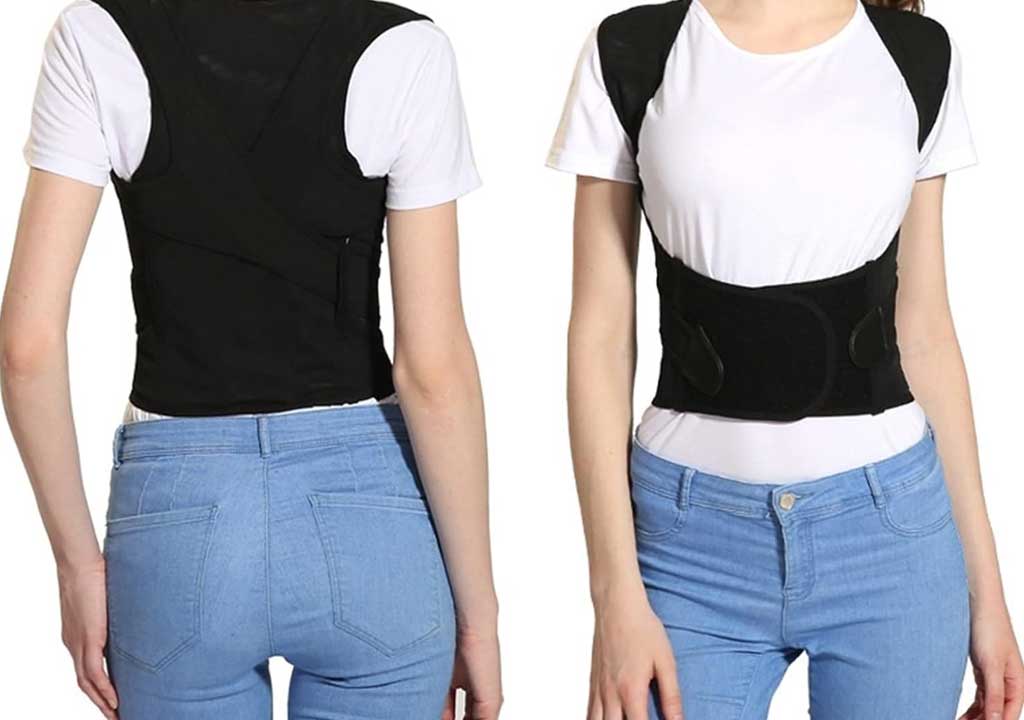
- Passive devices-these include lightweight back braces, shoulder braces, and posture shirts. They physically guide your shoulders into a more neutral position and help you feel what upright alignment feels like. They are often adjustable and made from breathable fabrics. Some people wear them during work to create a reminder to engage their muscles and sit tall.
- Corrective wearables-these are designed to be worn under clothing and may provide targeted support to the upper back and shoulders. They can be a bit more discreet, making them appealing for office wear or social settings. They may rely on elastic tension rather than rigid frames to encourage upright posture.
- Smart or feedback devices-these devices use sensors, apps, or wearable electronics to monitor posture angles and provide real-time cues, such as gentle vibrations or on-screen prompts when you slump or shoulder-roll too far forward. They're educational tools as much as support devices and can be especially helpful for learning new postural habits.
Regardless of the type, the central idea is the same: create a conscious anchor for alignment, and pair that anchor with movement, breathing, and strength work to train your body to sustain healthier positions with less effort over time.
What the evidence says
The science on posture correction devices is nuanced. Some studies show short-term improvements in alignment angles and reductions in neck and upper back pain with the use of posture correction devices or biofeedback aids. Other research suggests the benefits may fade if the devices are worn constantly without complementary exercise, or if reliance reduces intrinsic muscular engagement. A few key takeaways can help you interpret the evidence in a practical way:
- Posture correctors seem most effective as training tools. They provide somatosensory feedback that helps your nervous system recalibrate how you hold your spine during daily tasks.
- The long-term benefits typically come from integrating the device with strengthening, mobility work, and ergonomic changes rather than using the device in isolation.
- Consistency matters. Short, focused wearing periods paired with gradual increases and a daily movement plan tend to yield better outcomes than intermittent, longer wearing times without any other changes.
- Individual differences matter. Body types, preexisting conditions, and activity levels influence how well someone responds to a posture corrector. People with skin sensitivities or certain medical conditions should consult a clinician before extended use.
In short, posture correctors are supportive tools-one piece of a comprehensive approach to spinal health. They can help you notice and modify habitual positions, especially in the early stages of change, but they work best when combined with active movement, strengthening, and a well-rounded ergonomics plan.
Move More: integrating movement with posture correction
The core idea behind "Move More for a Strong Spine" is simple: frequent, varied movement is the antidote to stiffness and poor alignment. A posture corrector can serve as a gentle teacher during the transition, but the real power comes from turning movement into a daily habit. Here are practical strategies to blend moving more with posture awareness:
- Schedule micro-movements. Set a timer to stand up, walk, or stretch every 30-60 minutes. Even 1-2 minutes of activity can reset alignment and restore blood flow to tired muscles.
- Incorporate posture-check moments. Use your posture corrector for short intervals (e.g., 15-20 minutes) while you perform desk tasks, then remove and perform a quick mobility sequence to keep joints flexible.
- Stretch with purpose. Include thoracic spine rotations, doorway chest opens, and scapular retractions to counteract forward-shoulder posture. Pair these with diaphragmatic breathing to improve ribcage mobility and reduce neck strain.
- Walk more, stand taller. Short walking breaks or standing conversations force you to adjust your stance and engage core and leg muscles, reinforcing upright alignment as you move between tasks.
- Move while multitasking. Try gentle posture-neutral tech routines, like typing with a taller sit posture, standing to take calls, or using a stability ball chair for part of the day to encourage core engagement.
Incorporating movement also involves choosing desks, chairs, and work setups that support upright posture. A good ergonomic foundation reduces fatigue and makes the use of a posture corrector more effective. Small changes, repeated consistently, yield meaningful changes over weeks and months.
How to use a posture corrector effectively
To maximize the benefits of a posture corrector, approach it as a training aid that teaches your nervous system how to hold alignment, rather than a crutch you rely on all day. Here's a practical, patient approach:
- Choose the right device for your goals. If you want a discreet daily reminder, a lightweight, breathable option may suit you. If you're focused on education and feedback, a smart device with real-time cues could be more helpful.
- Fit and comfort matter. Proper sizing, correct strap tension, and breathable fabrics are essential. A device that causes pinching, numbness, or discomfort will undermine adherence and can irritate the skin.
- Start slowly. Begin with 10-15 minutes of wear per day, gradually increasing by 5-10 minutes as you tolerate it. Avoid wearing a device during high-intensity activities that require unrestricted core engagement or when performing tasks that involve precision movement.
- Use it as a cue, not a substitute. The device should remind you to sit or stand taller and engage your core and back muscles, not do the work for you. Over time, aim to rely less on the device as your muscles adapt.
- Combine with strengthening. Core, back extensor, and scapular stabilizing exercises (such as planks, bird-dogs, rows, and thoracic rotations) complement wearing a device and help you maintain proper alignment without external support.
- Prioritize skin care and hygiene. Rotate wearing times to prevent irritation, keep skin clean and dry, and follow the manufacturer's care instructions for washing and drying.
- Listen to your body. If you experience significant pain, numbness, or tingling, discontinue use and consult a clinician. Not all devices are appropriate for every condition, especially acute injuries or certain spinal disorders.
With a thoughtful plan, a posture corrector becomes a bridge between awareness and action-making it easier to stand tall and move with intention during the day.
Desk-to-move routines: practical examples
Below are simple routines you can try, whether you work at a desk, in a classroom, or from home. The goal is to create micro-interventions that nudge your body toward healthier alignment without taking over your day.
10-minute desk reset
1) Stand up and walk to a window or water cooler. 2) Do 8 thoracic spine twists (4 per side) with arms relaxed at your sides. 3) Perform 10 scapular squeezes (pinch shoulder blades together, hold 2 seconds). 4) Shoulder rolls forward and back for 15 seconds each direction. 5) Take a deep diaphragmatic breath for 6 cycles, pausing at the exhale to avoid tension. 6) Return to work with a taller posture for the next 50 minutes.
Midday mobility break
Stand up, place hands on a chair back for support, and hinge at the hips to hinge your torso forward and then return to upright. Then, do 8 wall angels (arms at 90 degrees, slide up the wall). Finish with a 1-minute child's pose or cat-cow sequence to mobilize the spine and chest.
Walking cue routine
During a 15-minute walk, periodically check posture: head over shoulders, ribs not flared, hips level. If you notice slouching, take three quick deep breaths, exhale slowly, and gently reset to an upright position. Use this time to engage your glutes and core lightly-micro-engagements that don't exhaust you but reinforce activation.
Standing meeting frame
Stand with a slight knee bend, feel the center of your weight in your feet, and gently retract your shoulder blades. If you're wearing a correction device, you may notice the cue encouraging a taller posture. Alternate between 5 minutes of upright standing and 2 minutes of light movement every 7-10 minutes to keep energy and alignment balanced.
Choosing the right posture corrector
When selecting a posture corrector, consider factors that impact adherence, comfort, and effectiveness. Here are practical criteria to guide your choice:
Decide whether you want a discreet wearable for daily clothing or a more supportive, therapeutic-style brace for specific tasks. Consider whether you prefer passive support or a device with feedback. Look for adjustable straps, multiple sizes, and a design that distributes pressure evenly across the shoulders and upper back. Avoid devices that corner or pinch sensitive areas. Breathable fabrics, moisture-wicking materials, and smooth seams reduce irritation. If you have sensitive skin or allergies, check fabric composition and hypoallergenic options. A light device that doesn't restrict movement is often more sustainable for daily wear than a bulky brace. Check washing instructions, colorfastness, and whether the device maintains its shape after repeated wear. Compare prices relative to features and ensure there's a reasonable warranty or return policy if the fit isn't right. If you have a history of scoliosis, spine surgery, or medical conditions affecting posture, consult a clinician before committing to a device for extended periods.
Try a trial period with a flexible return policy or a device that's easy to adjust. Remember that the best device for you is the one you'll wear consistently and combine with movement, strength work, and ergonomic habits.
Beyond the device: building a spine-friendly lifestyle
A posture corrector is a powerful cue, but it won't replace the need to move, strengthen, and maintain healthy habits. A comprehensive approach to spine health includes both postural cues and proactive training. Here are key components to add to your routine:
A stable spine relies on a resilient support system. Include exercises that target the deep core (transverse abdominis), the spinal extensors, and the muscles around the shoulder blades. Examples include planks, side planks, bird-dogs, dead bugs, and standing rows. Thoracic spine stiffness is a common contributor to forward head posture and shoulder tightness. Mobility drills like thoracic extensions over a foam roller, cat-cow variations, and thoracic rotation with a dowel can help. - Mobilize hips and glutes. Tight hip flexors and glute weakness can force the spine to compensate. Regular hip flexor stretches, hip hinges, and glute activation work support better alignment at rest and during movement.
- Mindful breathing and ribcage expansion. Efficient breathing supports posture by enabling the diaphragm and intercostal muscles to function well. Practice diaphragmatic breathing while maintaining a tall posture to train the body to stay upright while breathing deeply.
Adjust your chair height so your feet rest flat, monitor at eye level, and keyboard and mouse within easy reach to reduce reaching and slouching. A sit-stand desk can help you alternate postures, preventing prolonged flexion. If your job is sedentary, aim for at least 2-3 minutes of movement every 30-60 minutes, and try to accumulate 20-30 minutes of deliberate movement most days.
Fostering a spine-friendly lifestyle means treating posture as an ongoing practice rather than a one-time adjustment. The combination of consistent, varied movement, targeted strengthening, and ergonomic setup is more likely to yield lasting improvements in alignment and comfort than any single device alone.
Safety and considerations
Posture correctors are generally safe when used as directed, but there are important caveats to keep in mind:
- Do not rely on a device to stabilize your spine during all activities, especially activities requiring core engagement or heavy lifting. Use it as a training aid rather than a crutch.
- Pay attention to skin health. If you notice irritation, redness, or persistent discomfort, discontinue use and allow the skin to recover. Consider changing to a fabric with a softer weave or adjusting the fit.
- Consult a professional if you have persistent back pain, numbness, weakness, or neurological symptoms. Some postural fixes may exacerbate conditions if misapplied.
- Avoid extreme tightening. Devices should assist with alignment, not immobilize the torso or restrict natural movement. If you feel it's too tight, loosen and reassess.
- Be mindful of potential dependency. The long-term goal is to internalize proper posture through muscular strength and mobility rather than constant external support.
With careful use, posture correctors can be a safe, helpful addition to your spine health toolkit. The key is balance: combine wearing with active training, ergonomic adjustments, and a habit of moving more throughout the day.
Putting it all together: a sample 4-week plan
If you're ready to experiment, here's a gentle, progressive plan to integrate posture correction with daily movement. Adjust the pace to your comfort level and consult a clinician if you have any medical concerns.
- Week 1: Fit and familiarity. Choose a device that's comfortable and lightweight. Wear it for 10-15 minutes on two to three days this week, during low-intensity tasks like reading or light desk work. Do a 5-minute mobility routine twice this week (thoracic rotations, chest openers, and scapular retractions).
- Week 2: Short wear periods plus movement. Increase wear to 20-25 minutes, twice daily. Add a 5-minute mid-day mobility circuit and a 10-minute brisk walk to encourage upright posture while moving.
- Week 3: Integrate strength and posture cues. Wear for 25-30 minutes during focused desk tasks, and perform a 15-20 minute strength routine 3-4 times this week (core, back extensors, and scapular stabilizers). Practice two longer walks (15-20 minutes) with deliberate posture cues.
- Week 4: Refine and sustain. Use the device for feedback during work tasks, but rely mostly on strength and mobility training to maintain alignment. Add a weekly longer movement session (30-45 minutes) that includes a mix of mobility, stability, and light cardiovascular work. Reassess comfort and fit; adjust as needed.
By week four, you should have a clearer sense of how to blend the device with your movement routine, how it feels during real tasks, and which exercises best support your spine health. Consistency remains the most important factor in achieving lasting improvements.
Conclusion: a sustainable path to a stronger spine
Move More for a Strong Spine means more than just sitting up straighter. It's about building a sustainable ecosystem of habits that support your spine from the inside out. Posture correctors can play a meaningful role as educational tools, reminders, and gentle supports that help you reframe how you sit, stand, and move. When used thoughtfully-paired with regular mobility work, strength training, ergonomic adjustments, and brisk daily movement-they become part of a broader strategy to reduce pain, improve function, and feel more energetic in daily life.
Remember these guiding principles as you explore posture correction:
- Use posture correctors as training aids, not crutches.
- Anchor device use to movement, breathing, and strengthening routines.
- Prioritize comfort, fit, and skin health to support consistent wear.
- Couple device use with ergonomic work setups and regular micro-movements.
- Listen to your body and seek professional guidance if pain or unusual symptoms arise.
With patience and persistence, you can align your daily life with a healthier spine. By moving more, staying mindful of posture, and combining devices with deliberate training, you'll build resilience across the spine and core-helping you feel strong, balanced, and ready to take on the day.
LIKED THIS ARTICLE? SHARE IT: