








Jet-Set Posture: Compact Correctors for Air Travel and Beyond

Jet-Set Posture: Compact Correctors for Air Travel and Beyond
Flying is glamorous until your spine protests. Long lines, cramped economy seats, and the constant tug-of-war between your laptop and your lumbar can leave you stiff, sore, and less-than-ready for the next leg of your journey. Jet-setters know that travel is more than a destination-it's a test of endurance, focus, and comfort. The good news is that compact posture correctors are now quietly reshaping the way we travel and live on the move. Lightweight, discreet, and designed for tight spaces, these devices can help you maintain a healthier alignment in the air and in daily life. This post dives into why posture matters on the road, what compact correctors actually are, how to choose them, and practical tips for using them on a flight and beyond.
Why Travel Can Take a Toll on Your Posture
Aircraft cabins are engineered for efficiency, not ergonomic harmony. The seats are narrow, cushions are firm, and headrests are often misaligned with the natural curves of your spine. Prolonged sitting combined with cabin pressure changes can dull your senses, slow your circulation, and encourage a forward-slouched posture. On long flights, it's common to drift into a rounded back, shrugged shoulders, and a neck that strains to keep your head in an awkward position for hours at a time.
Add to that the rhythm of travel-lugging carry-ons, adjusting to different g-forces during takeoffs and landings, and the mental load of itinerary planning-and you've got a perfect storm for postural fatigue. Work demands don't disappear simply because you're on a plane: screens, reading materials, and devices often tempt you into micro-mlatched positions that over time can cause joint stiffness and muscle tension. The result is more than a temporary ache; it's a reminder that posture is a continuous practice, not a one-off fix.
What Are Compact Posture Correctors?
Compact posture correctors are lightweight devices designed to improve alignment without getting in the way of your travel. They're meant to be worn under or over clothing (depending on the model) and easily tucked into a carry-on or personal item. The core idea is simple: gently guide your spine into a healthier position, encourage open chest posture, and remind you to engage the muscles that support your back and core. There are several categories, each with its own strengths and ideal use cases:
- Gentle shoulder-back braces that pull the shoulders back and align the scapulae.
- Soft neck and cervical supports to keep your head over your spine and reduce forward head posture.
- Smart posture wearables that monitor alignment and provide vibro-tactile feedback or app-based reminders.
- Slim belts and core-engagement devices designed to stabilize the midsection without restricting breathing.
- Travel-friendly cushions and hybrid solutions that combine support with comfort for long beiges of sitting.
What unites these options is portability. Most compact correctors are designed to be worn under a shirt or jacket, do not require a lot of setup, and can be used during a flight, at the hotel, or during a long drive. The goal is not to immobilize you but to nudge your body back toward alignment, so you can stay alert and comfortable for the duration of your journey.
Shoulder-Back Braces
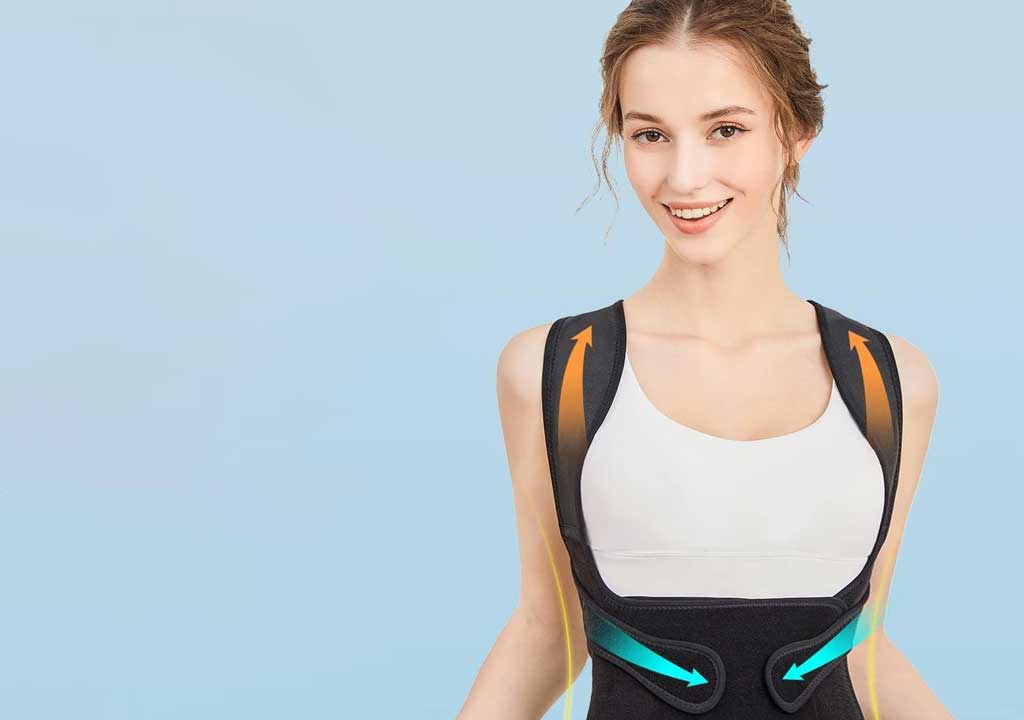
Shoulder-back braces are among the most common compact correctors. They typically feature soft, adjustable straps that run over the shoulders and around the upper back. The principle is straightforward: a light pull helps retract the scapulae and broaden the chest, discouraging the common hunch that travels with long hours in a cramped seat. Modern designs emphasize flexibility and breathability, using mesh fabrics and lightweight composites to keep you cool. For travelers, a key advantage is that these braces can be worn under a lightweight blazer or sweater without looking bulky. The level of support can range from mild to moderate, so it's easy to calibrate based on comfort and comfort alone.
Neck and Cervical Supports
Neck posture is a frequent casualty of travel. A subtle cervical support can help maintain the natural curve of your spine and reduce forward head posture that often accompanies screen work or reading on a plane. Compact neck supports range from soft, memory-foam collars to lightweight, flexible wraps that hold the head in a neutral position. The best options are slim enough to be worn under a scarf or light jacket and offer adjustable tension so you can tailor the level of support to your neck's fatigue level. While not a replacement for proper seating and movement, these devices can be a comfortable ally during red-eye flights and long layovers.
Smart Posture Aids
Technology has entered the cockpit of posture. Smart posture wearables pair sensors with passive or active feedback to help you stay mindful of your alignment. Basic versions might vibrate gently when you slump or slacken your core engagement. More advanced devices connect to smartphone apps, track posture data over time, and coach you with personalized reminders and exercises. For travelers, these can be especially valuable because they provide objective feedback you can review after the flight. If you're new to posture correction, a non-invasive, low-intensity smart device can be a good starting point to understand your patterns without feeling overwhelmed.
Slim Belts and Core-Engagement Devices
Some travelers prefer slim belts or torso braces that support the lower back and engage the core. These devices are designed to be unobtrusive and sometimes act as a reminder to switch from passive sitting to more active postures. They aren't about constriction; they're about awareness and alignment. When properly fitted, these belts can help stabilize the pelvis and reduce the sideways sway that often accompanies long flights, shifting your weight distribution into a more ergonomic pattern. As with all devices, choosing a breathable material and an adjustable level of compression is essential for comfort over several hours.
Travel-Pillow Complements and Posture-Coaching Sets
Finally, consider how posture tools can work in concert with travel pillows and ergonomic accessories. A well-chosen travel pillow can encourage neutral neck alignment when you're resting, while a light posture corrector can keep your spine aligned when you're awake. Some vendors offer combo sets that pair a neck-support pillow with a compact back brace or a wearable reminder device. The synergy between alignment support and comfortable rest can be a powerful combination for long-haul travelers who want to arrive ready to perform at their best.
How to Choose the Right Compact Corrector for Travel
Picking the right device is less about chasing the latest gadget and more about finding a tool that fits your body, your travel routine, and your comfort threshold. Here are practical considerations to guide your decision:
- Fit and adjustability: Look for products with multiple size options, adjustable straps, and flexible materials. A device that remains comfortable for hours is more likely to be used consistently.
- Materials and breathability: Breathable fabrics, moisture-wicking surfaces, and soft edges prevent irritation under clothing and keep you feeling fresh on long flights.
- Level of support: Start with mild support if you're new to posture aids. You can gradually increase intensity if needed, but avoid anything that feels restricting or uncomfortable for the whole flight.
- Discreetness: If you want to wear your device in professional settings or during airport security screening, choose designs that are inconspicuous under typical travel attire.
- Weight and portability: The lighter, the better for carry-on compatibility. A compact device that coexists with your passport and headphones is ideal.
- Care and maintenance: Check washing instructions and whether the device can be hand-washed or machine-cleaned. Removable parts should be easy to sanitize.
- Safety and medical considerations: If you have a history of back, neck, or rib injuries, or if you're pregnant, consult with a healthcare professional before using a posture corrector. Avoid devices that apply excessive pressure or restrict breathing or circulation.
- Warranty and durability: A modest investment with a good warranty pays off if you plan to travel frequently. Look for reinforced stitching and tested safety standards.
How to Use a Compact Corrector on a Flight: Practical Tips
Getting the most from your posture corrector on a plane isn't about wearing it like armor for every moment of the flight. It's about smart use-timed wearing, micro-adjustments, and movement. Here are practical steps to integrate a compact corrector into your air travel routine:
1) Prep before you board. Try the device at home for a short period to understand how it feels and where it sits. You don't want to discover discomfort once you're already at security or boarding gate.
2) Choose the right moment. Use the device during stretches, seated periods, and when you're actively reading or working. Remove temporarily during meals or heavy activity, especially if you're wearing a neck support that could press into your collar.
3) Set the fit correctly. Ensure straps are snug but not painful. You should be able to take a deep breath without feeling constrained. The aim is gentle guidance, not pressure.
4) Alternate with movement. A posture corrector is most effective when paired with in-seat mobility: ankle circles, shoulder shrugs, gentle twists, and a short walk around the cabin if permitted. Movement helps reset the musculoskeletal system and reinforces better alignment after the device has reminded you to sit tall.
5) Mind the cabin dynamics. If the flight is very cold, you may want a light layer to avoid skin irritation. If you have a busy aisle or you're traveling with a partner, consider how the device might affect space and comfort for others.
6) End the flight with a quick reset routine. Remove the device, stretch the back and neck, and perform a few long exhalations to release tension. Cleaning after use helps maintain hygiene and readiness for the next journey.
Beyond the Plane: Using Compact Correctors in Daily Life
Posture correctors aren't solely for travel. The same principles translate to daily life-at the office, while driving, or during a long train ride. A compact, portable device can be a discreet reminder to engage the core, retract the shoulders, and avoid the classic "desk slump." Here are scenarios where compact correctors can be helpful:
- Office work: A lightweight shoulder-back brace worn under a shirt can encourage a more upright desk posture during computer tasks. Pair it with periodic micro-movements and ergonomically arranged workstations.
- Commuting: On a bus or train, subtle alignment aids can prevent the shoulders from rounding forward as you scroll through your phone or read a book.
- New routines: When starting a new exercise or rehabilitation program, a posture corrector can provide feedback as you learn to recruit the right muscles.
- Long drives: A compact back-support strap can reduce fatigue by providing mid-back stability, especially during extended highway trips.
One of the strongest benefits of compact correctors is their adaptability. Because travel often involves shifting contexts-from airport lounges to hotel rooms, from a conference table to a rental car-having a device that can flex with you makes it more likely you'll actually use it. Consistency matters because posture is a habit: small, repeated adjustments over weeks and months produce more significant, longer-lasting changes than a single, dramatic correction on a flight.
Care, Maintenance, and Safety: Making Your Corrector Last
Like any wearable tool, a posture corrector performs best when it's well cared for. Here are guidelines to maximize longevity and safety:
- Cleanliness: Follow the manufacturer's washing recommendations. Most fabric-based devices are best hand-washed or machine-washed on a gentle cycle and air-dried. Keep straps clear of hard plastics that could crack with temperature shifts.
- Inspection: Regularly check stitching, buckles, and fasteners. If you notice frayed edges, loose stitching, or material degradation, discontinue use and replace the item or seek repair.
- Fit updates: As you wear a device, your body might shift slightly in response. Reassess fit after several weeks and re-tighten or loosen straps as needed to preserve comfort and effectiveness.
- Hygiene and skin care: Wash skin regularly around contact points to prevent irritation. If you have sensitive skin, consider a moisture-wicking undershirt or garment liner between the device and your skin.
- Electronics care (for smart devices): If your device uses a battery or sensor module, follow charging guidelines and avoid exposing it to extreme temperatures. Dry, clean connections help sustain accuracy and battery life.
Safety note: posture correctors are support tools, not substitutes for medical assessment. If you have neck pain, a history of spinal injury, osteoporosis, or any neurological symptoms like numbness or weakness in arms or legs, consult a healthcare professional before use. If a device causes sharp pain, tingling, or circulation issues, remove it and seek guidance from a clinician.
Myths vs. Realities: What You Should Know
As posture correction devices gain popularity, a few myths persist. Here's a quick reality check to help you separate hype from practicality:
- Myth: A posture corrector will fix everything instantly. Reality: It's a training aid. Real improvements come from consistent use, mindful posture habits, and regular movement.
- Myth: You must wear it all day. Reality: Start with shorter durations and gradually increase, listening to your body, and complement with stretches and strengthening exercises.
- Myth: Any device is safe for everyone. Reality: People with certain spine conditions should seek medical advice before use. Individual fit and comfort are crucial.
- Myth: All devices look bulky and obvious. Reality: Modern designs emphasize discretion; many models are nearly invisible under everyday clothing.
- Myth: Smart devices replace good movement. Reality: They're most effective when combined with regular posture-aware habits and physical activity.
Case Studies: Real-World Scenarios with Compact Correctors
To illustrate how these devices can fit into real-life travel and daily routines, consider a few hypothetical scenarios based on common traveler profiles:
Case A: The Business Traveler
Maria, a corporate consultant, spends eight to ten hours a week on flights and sits at a desk for long stretches when she's in the office. She chooses a slim shoulder-back brace that sits discreetly beneath a blouse. She wears it during flights, uses it during phone calls and spreadsheet work, and pairs it with brief desk stretches to counteract stiffness. Over several weeks, she notes less upper-back tension and a more comfortable posture upon arrival at her client sites. The device is easy to remove before security checks and folds compactly into her tote bag.
Case B: The Remote-Worker on the Move
Jae is a digital nomad who travels frequently and works from coworking spaces, cafes, and airport lounges. Jae relies on a smart posture wearable to prompt reminders whenever the spine deviates from a neutral alignment. The data helps Jae identify patterns-like leaning forward to read small text on a screen-and adjust work arrangements (larger text, screen distance, or a sturdier chair). The wearable becomes a coaching companion that supports posture discipline across varied work environments.
Case C: The Family Explorer
Alex, a parent traveling with kids, uses a neck support to maintain comfortable neck alignment on red-eye flights and during long layovers. The family-friendly design is lightweight and comfortable enough to wear through mealtime, entertainment, and stroller time. After a few weeks, Alex notices less neck strain after long flights, especially during times when screens are in heavier use while the kids nap or watch movies.
In Summary: Jet-Set Posture for a Connected, More Comfortable Life
Compact posture correctors are a practical, portable approach to sustaining healthy alignment during air travel and beyond. They're not a silver bullet, but when combined with mindful movement, ergonomic work routines, and appropriate rest, they can contribute to a more comfortable travel experience and a healthier daily posture. The right device for you depends on your goals, your body, and your travel style: you might prefer the simplicity of a shoulder-back brace for quick relief, or you might be drawn to smart wearables that offer data-driven feedback. Either way, the key is consistency, comfort, and listening to your body.
As you prepare for your next trip, consider these steps:
- Assess your typical flight duration and seating situation to determine how long you'll likely need support.
- Try a few options at home before your trip to understand fit, feel, and ease of use.
- Choose breathable materials and discreet designs if you plan to wear the device publicly or in professional settings.
- Pair your device with a concise in-flight stretching routine and short walks to boost circulation and mobility.
- Plan maintenance and hygiene to keep your device ready for every journey.
Posture is a habit that travels with you. With the right compact corrector, you can cultivate a healthier spine while you chase sunrises and sunsets around the globe. The goal is not to imprison your movement but to invite better alignment-so you arrive not just at your destination, but in a state of readiness to embrace the day ahead.
LIKED THIS ARTICLE? SHARE IT: