









From Tossing and Turning to Restful Sleep: Using a Posture Corrector


From Tossing and Turning to Restful Sleep: Using a Posture Corrector
If you’ve ever spent a restless night staring at the ceiling, measuring the minutes until dawn with a throbbing neck or aching low back, you’re not alone. Tossing and turning is a common symptom of stress, fatigue, and poor sleep positioning. While there isn’t a one-size-fits-all remedy, many people have found relief by using a posture corrector. These simple devices act as reminders to align your spine, open your chest, and reduce the habits that cause slouching and stiffness. This guide explores how posture correctors can help you sleep more peacefully, how to choose and use them safely, and how to pair them with other habits that support restful nights.
What is a posture corrector, and how does it work?
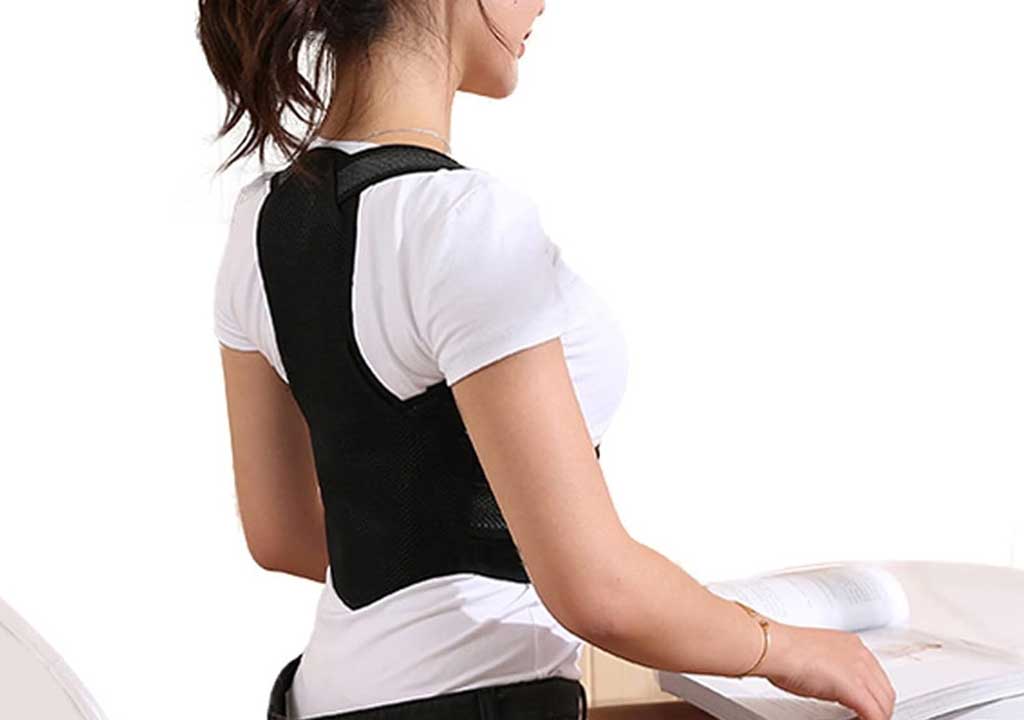
A posture corrector is a wearable device designed to encourage proper alignment of the spine. Most models target the upper back, shoulders, and chest, gently pulling the shoulders back or guiding the chest forward to promote a more upright posture. Think of it as a gentle training aid that helps you retrain your muscle memory so you adopt healthier positions over time. When you wear a corrector, your body experiences a proprioceptive nudge—the awareness of where your body is in space—that nudges you away from slouching and toward an open, neutral spine position.
What makes a posture corrector effective isn’t just the device itself; it’s how you use it. The goal isn’t to “force” your body into a rigid posture all night. Rather, it’s to remind your nervous system of what good alignment feels like, so your muscles gradually adapt. For many sleepers, this means less neck cramping, fewer shoulder aches, and a smoother transition into deep sleep stages.
How a posture corrector can help with sleep
Several sleep-related benefits often accompany the use of a posture corrector, especially for people who tend to slouch when they lie down or who wake with stiffness. Here are some ways a corrector may help you sleep more soundly:
- Improved spinal alignment: By guiding your shoulders back and opening your chest, you reduce forward head posture and the rounded upper back that can irritate the neck and upper spine during the night.
- Reduced muscle tension: When you’re slouched, certain muscles work harder to compensate. A corrector can reduce the burden on the upper back, neck, and chest muscles, lowering overall tension that can disrupt sleep.
- Nervous system tuning: A more neutral posture can reduce nerve compression and improve circulation, which may translate to fewer restless awakenings caused by numbness or tingling.
- Habit formation: Even if you don’t wear it all night, the device can reinforce healthy habits during the evening, making it easier to adopt sustainable positions during sleep and throughout the day.
- Potential reduction in snoring for some users: For people whose snoring is aggravated by poor posture, a gentle upper-back alignment may help widen the airways slightly, though results vary and this is not a universal fix.
It’s important to set realistic expectations. A posture corrector is not a medical cure for chronic back pain or a substitute for physical therapy. It’s a tool to support healthier posture, particularly during the transition period when you’re retraining your body. If sleep problems persist or pain worsens, consult a healthcare professional.
Types of posture correctors
Posture correctors come in several designs, each with different emphasis and comfort profiles. The right type for you depends on where you feel tension, your body size, how discreet you want the device to be, and how much you’re willing to adjust your daily routine. Here are common categories:
- Shoulder back braces — These wrap around the shoulders and upper back to pull the shoulders gently toward the spine. They’re often made with breathable fabric and adjustable straps, making them comfortable for daily wear and sleeping with under loose clothing.
- Full back braces — Targeting the upper to mid-back, these braces provide more substantial support and can help straighten posture across a broader area. They’re usually thicker and may be more visible under clothing.
- Posture-correcting shirts — Integrated into a shirt design, these garments use fabric stiffness or strategically placed panels to cue proper alignment. They’re lightweight and can be a less conspicuous option for some sleepers.
- Clip-on or strap devices — These sit over the shoulders or around the torso and can be easier to remove. They’re often designed for people who want a less intrusive option for daytime wear with the option to wear during the night in some cases.
- Adaptive or sports-style braces — Aimed at athletes and people with active routines, these devices balance support with flexibility and range of motion. They’re typically worn during workouts and can be adapted for light sleep wear if comfortable.
When selecting a type, consider the level of support you need, ease of use, and how easy it is to adjust. For people new to posture correction, starting with a less restrictive option (like a posture shirt or a light back brace) can be a good way to test tolerance before moving to stronger devices.
Choosing the right posture corrector
Choosing wisely can make or break your experience. Here are practical guidelines to help you pick a device that fits your needs and lifestyle:
- Size and fit: Look for adjustable straps and a wrap that accommodates your torso width and shoulder breadth. A corrector that is too tight can cause numbness or restrict breathing; one that’s too loose won’t guide your posture effectively.
- Material and comfort: Breathable fabrics like moisture-wicking blends are preferable, especially if you plan to wear it for extended periods. Check for seams or edges that might irritate the skin, and consider a model with a soft lining for nighttime wear.
- Discretion: If you’d like something you can wear under clothing during the day, choose a slim, low-profile design. If you’re comfortable with a more noticeable device, you may opt for a higher-support brace.
- Durability and warranty: Look for reinforced stitching and quality fasteners. A longer warranty can indicate better build quality and confidence from the maker.
- Ease of use: Simple quick-release buckles and intuitive adjustment allow you to put the brace on and take it off quickly, which encourages consistent use.
- Cleaning and care: Check washing instructions. Some fabrics are machine-washable, while others require hand washing or spot cleaning.
Reading user reviews and trying on a few options (either in-store or via trial programs) can help you balance comfort with efficacy. If you have sensitive skin, a test period of a few hours in a low-stress setting can help you determine whether the device causes irritation.
How to wear and adjust a posture corrector
Proper use is the key to getting benefits without causing new discomfort. Here’s a practical, step-by-step approach to wearing and adjusting a posture corrector safely:
- Start gradually: Begin with short wear times—typically 15 to 30 minutes—while you go about light activities. Increase gradually as you feel more comfortable.
- Wear over clothing: To prevent skin irritation, wear the device over a light layer of clothing, at least initially. If your skin tolerates it, you may use it directly on the skin for shorter durations after you’ve built tolerance.
- Position correctly: The brace should align with the natural curve of your spine. The straps should sit comfortably over your shoulders without digging into your armpits or chest.
- Adjust for a snug but not restricting fit: You should feel a gentle pull that reminds you to stand tall but not a constriction that makes breathing difficult. You should be able to take deep breaths without effort.
- Limit nighttime use: For most people, it’s best to avoid wearing a brace for the entire night. Use it during the late afternoon or early evening when you’re winding down, and minimize sleep disruption while you train your posture.
- Pair with mindful breaks: Throughout the day, take micro-breaks to stretch and reset your posture. Pair these with the corrector to reinforce the habit during waking hours.
- Inspect and care: After wear, check for skin redness or chafing. Clean according to the manufacturer’s instructions and let the device dry completely before storage.
If you experience persistent numbness, tingling, or pain, remove the device and consult a healthcare professional. A poorly adjusted brace can aggravate symptoms rather than relieve them.
How to combine posture correction with sleep hygiene
A good night’s sleep depends on more than just a brace. Combining posture work with sleep hygiene creates a powerful synergy for restfulness. Here are practical steps to maximize results:
- Establish a consistent sleep schedule: Go to bed and wake up at the same times every day, including weekends. A regular rhythm helps your circadian system settle into a predictable pattern.
- Create a sleep-conducive environment: Keep the bedroom cool, dark, and quiet. Consider blackout curtains, white noise, or a fan to reduce disturbances.
- Optimize your pillow and mattress: A supportive mattress and a pillow that keeps your neck in a natural alignment reduce stress on the spine and can enhance the effectiveness of a posture corrector.
- Choose sleeping positions that support alignment: Back sleeping with a small pillow under the knees can help maintain spinal neutral. If you prefer to sleep on your side, use a pillow between the knees to reduce hip rotation and maintain hip-spine alignment.
- Limit evening stimulants and screens: Caffeine and blue light exposure late in the day can disrupt sleep onset. Consider a wind-down routine an hour before bed, during which you relax and disengage from devices.
- Hydration and light meals: Avoid heavy meals close to bedtime and manage hydration to prevent disruptive trips to the bathroom at night.
- Breathing and relaxation techniques: Gentle diaphragmatic breathing, progressive muscle relaxation, or a short mindfulness routine can calm your nervous system before sleep, complementing the posture cue you receive from the brace.
Remember, the brace is a tool to support you, not a substitute for a good sleep environment. The most restful sleep usually results from combining posture awareness with consistent sleep-wake times, comfortable bedding, and a calm pre-sleep routine.
Exercises to supplement posture correction
Posture correction is most effective when paired with targeted exercises that strengthen the muscles of the upper back, core, and hips, and improve thoracic spine mobility. Regular practice helps you retain the benefits even when you’re not wearing a brace. Here are simple, practical movements you can incorporate into your routine:
- Chin tucks: Sit or stand tall, gently tuck your chin toward your chest to lengthen the back of your neck. Hold for 5 seconds, repeat 10–15 times. This helps counter forward head posture that often accompanies slouching.
- Scapular squeezes: Squeeze your shoulder blades together and down as if you’re pinching a pencil between them. Hold for 5–10 seconds, repeat 10–15 times. This strengthens the muscles between the shoulder blades and supports upright posture.
- Thoracic mobility rotations: Place one hand on the opposite shoulder, rotate your upper body to open the chest, and then return. Do 8–12 reps per side. This improves thoracic spine mobility, which is crucial for comfortable posture during sleep.
- Wall slides: Stand with your back to a wall, arms in a goal-post position (elbows at 90 degrees). Slide your arms up and down the wall, keeping contact with the wall. Perform 2–3 sets of 10–12 reps. This promotes scapular control and shoulder mobility.
- Hip hinge and core activation: With feet hip-width apart, hinge at the hips while keeping your back flat, then stand tall. Add a gentle pelvic tilt to engage the core. Do 2–3 sets of 12–15 reps. A strong core supports better overall posture and spinal alignment.
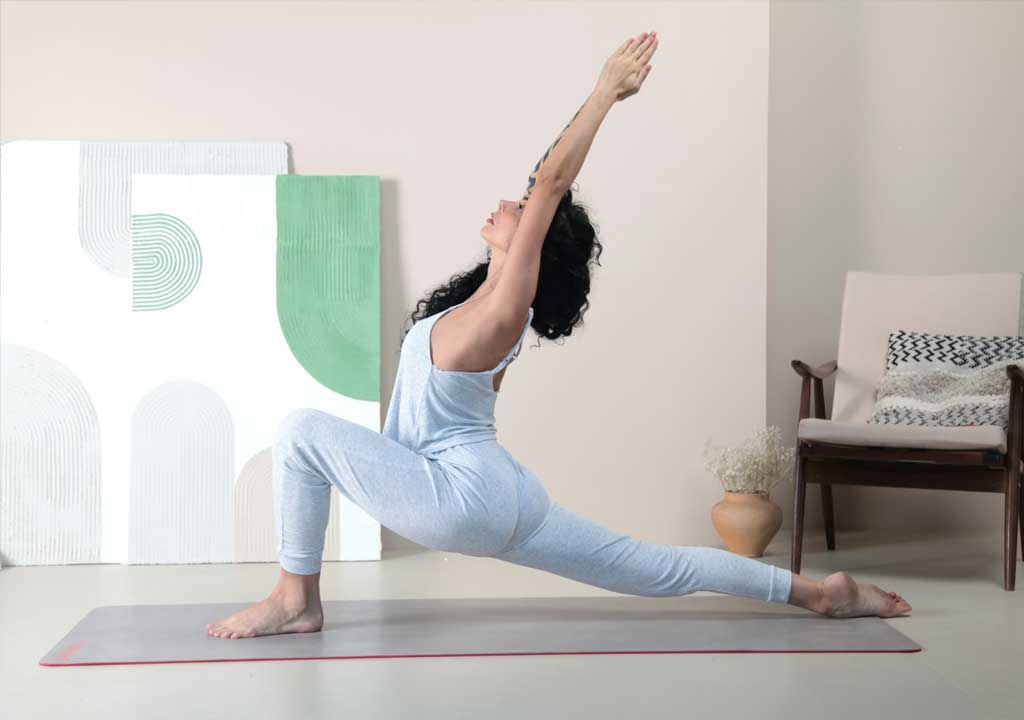
- Hip flexor and chest-opening stretches: Spend a few minutes on each side stretching the hip flexors and opening the chest. This counters the tendency to slump forward when fatigued.
Start with 2–3 sessions per week and gradually increase to daily practice as your endurance and mobility improve. As you add these movements, you’ll likely notice that your body feels taller, more stable, and less fatigued at the end of the day—even on days you don’t wear the brace.
Common myths and misconceptions
Posture correctors are popular, but they’re not magic. Here are some common myths and the realities behind them:
- Myth: A posture corrector will straighten your spine permanently overnight. Reality: It can help retrain your body over time, but durable changes come from consistent use and complementary exercises. Expect gradual improvements over weeks to months, not hours.
- Myth: Wearing a brace all day and night is necessary. Reality: Most people benefit from shorter, controlled wearing periods and a stronger emphasis on movement, strengthening, and sleep hygiene. Overnight use is not recommended for most braces unless advised by a clinician.
- Myth: Posture correctors fix all neck and back pain. Reality: Pain can have many sources, including disc issues, joints, and muscular imbalances. A brace is a tool, not a cure. If pain persists, seek medical evaluation.
- Myth: They are uncomfortable and useless. Reality: With proper fit and gradual adaptation, many users find them comfortable and beneficial as part of a broader posture program.
Understanding these nuances helps you set realistic goals and reduces frustration if progress feels slow. The best approach is to use the brace as part of a holistic plan that includes posture-friendly daily habits, targeted exercise, proper sleep practices, and regular medical guidance when needed.
Safety considerations and who should avoid or consult a professional first
While posture correctors are generally safe for most adults, there are circumstances where you should proceed with caution or seek professional advice before using one. Consider consulting a healthcare professional if you:
- Have a history of acute or chronic spinal conditions, such as scoliosis, spinal stenosis, or a herniated disc.
- Are pregnant or have certain chest or rib conditions that could be aggravated by a brace.
- Experience numbness, tingling, or a loss of sensation in your arms or hands when wearing the device.
- Have very sensitive skin or known allergies to materials used in the brace.
- Are recovering from recent surgery or injury, or have surgeons’ or therapists’ clearance to avoid or limit wearing a brace.
Always listen to your body. If you notice increased pain, tingling, skin irritation, or restricted breathing, remove the device and reassess fit. A physical therapist or chiropractor can provide personalized guidance on whether a posture corrector is appropriate for your condition and can tailor exercises and wear times to your needs.
Practical tips for integrating a posture corrector into your routine
To maximize benefits without becoming dependent on the device, try these practical tips:
- Set a wearable schedule: Designate specific times of day for wearing the brace, such as during evening reading or while doing a light stretch routine. Avoid wearing it during sedentary tasks that don’t require good posture, unless you’re with the device to cue posture training.
- Pair with reminders: Use a smartphone reminder or a timer to prompt you to check your posture and practice a quick set of stretches every 30–60 minutes during waking hours.
- Blend with ergonomic setup: Ensure your workstation, car seat, and living room furniture support neutral alignment. A brace works best when your environment reinforces good posture.
- Progress gradually: Increase wearing time slowly to build tolerance and reduce the risk of discomfort or skin irritation. Don’t rush into longer sessions before your body adapts.
- Track your progress: Keep a simple journal or notes on pain levels, sleep quality, and ease of movement. This can help you see patterns and tailor your approach over time.
Consistency is more important than intensity. Small daily improvements accumulate, helping you break the cycle of nightly tossing and turning and supporting a calmer, deeper sleep over time.
Realistic expectations: what you can expect in the first weeks
In the first two to four weeks of using a posture corrector, you might notice:
- Better awareness of your sitting and standing alignment during the day.
- A reduction in certain neck or upper back stiffness when you wake up.
- Better breathing comfort during wear if the device is properly fitted.
- A shift in how you approach sleep positions, especially if you couple the brace with a better pillow setup and a calming pre-sleep routine.
Some sleepers report more noticeable changes after 4–8 weeks, particularly when the device is part of a broader plan that includes targeted posture-strengthening exercises and consistent sleep hygiene. If you don’t notice improvements after a couple of months, it may be time to re-evaluate your fit, try a different type of brace, or consult a clinician for a personalized plan.
FAQs about posture correctors for sleep
Here are answers to some common questions people have about using posture correctors to improve sleep:
- Q: Can I sleep with a posture corrector on all night? A: Most devices aren’t designed for continuous overnight wear. Prolonged compression or skin irritation can occur. It’s usually better to wear it for parts of the evening and then remove it before sleep, or follow your clinician’s guidance if they’ve advised otherwise.
- Q: Will a brace fix my neck pain immediately? A: Not immediately. Relief often comes gradually as you rebuild muscle support and improve spinal alignment, especially when combined with exercises and proper sleep habits.
- Q: Are there risks of muscle dependency? A: Over-reliance is possible if you wear the brace too long or too tightly. The goal is to retrain your posture, not to become reliant on the device. Focus on strengthening and mobility too.
- Q: Can I wear a posture corrector if I have a sensitive skin or eczema? A: Check materials and opt for models with soft linings and breathable fabrics. If irritation occurs, discontinue use and consult a dermatologist or clinician.
Conclusion: turning restless nights into restorative sleep with a thoughtful approach
Restful sleep often starts with a well-aligned body. A posture corrector can be a practical tool to help you break the habit of slouching and to train your muscles toward sustainable alignment. But to truly transform your sleep, pair the device with a holistic routine: regular sleep schedules, an ergonomic setup, mindful breathing, and targeted exercises that strengthen the muscles supporting the spine. Sleep is multifactorial, and posture is just one piece of the puzzle.
If you’re curious about trying a posture corrector, start with a low-profile, adjustable option that fits your body well, and introduce it gradually. Listen to your body, monitor how you feel in the morning, and adjust as needed. If you have any ongoing pain, numbness, or skin issues, seek professional guidance. With patience, consistency, and a balanced approach, you can reduce night-time tossing and turning, wake up feeling more refreshed, and carry improved posture into your daily life.
Final reminder
As with any wellness tool, a posture corrector is most effective when used as part of a broader strategy. It’s not a miracle fix, but for many people it acts as a helpful nudge toward better posture, clearer breathing, and calmer nights. If you’d like, you can share your experiences with posture correction in the comments or ask questions so we can tailor the recommendations to your needs. May your nights be quieter, your posture stronger, and your mornings brighter.
31.03.2026. 17:37